2026 Best Scuba Diving Destinations for Adventure Seekers?
Scuba diving remains one of the most exhilarating adventure sports. According to a recent report by the Professional Association of Diving Instructors (PADI), over 10 million people around the world are certified divers. The sport continues to grow, with remarkable destinations enticing adventure seekers each year.
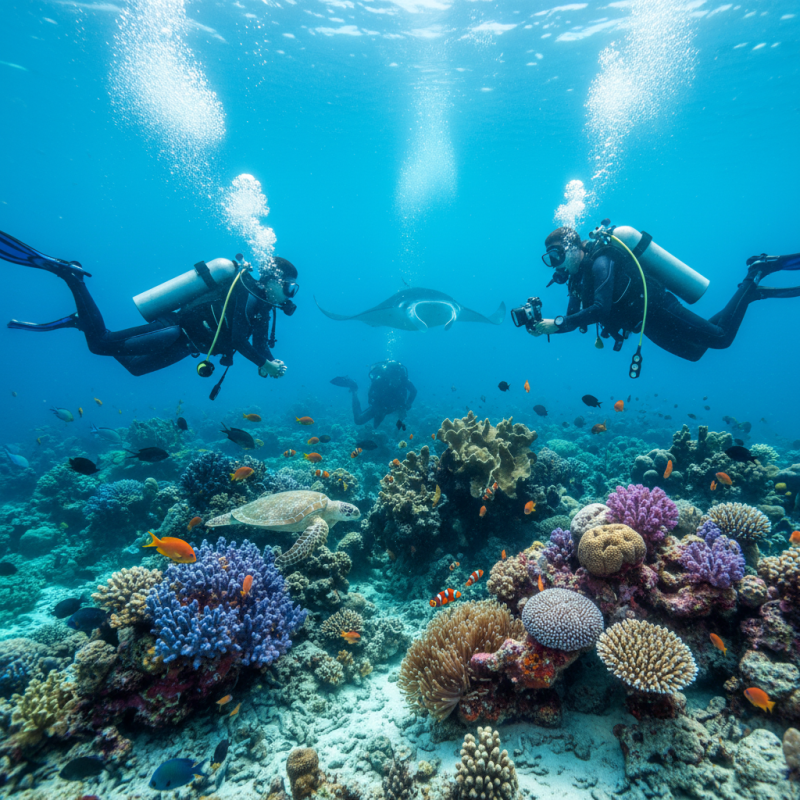
Renowned dive expert Dr. Sylvia Earle emphasizes the connection between scuba diving and ocean conservation. She once said, “We protect what we love, and we love what we understand.” This growing passion for the underwater world drives divers to explore diverse marine environments. Every dive offers a chance to witness breathtaking coral reefs, vibrant marine life, and unique underwater landscapes.
Yet, adventure seekers must remain mindful of their impact on these fragile ecosystems. The thrill of scuba diving comes with responsibility. As divers, we must reflect on how our actions affect marine habitats. Choosing sustainable practices is vital as we embark on unforgettable diving experiences. This balance enhances both adventure and conservation.
Top Scuba Diving Destinations Around the Globe for 2026
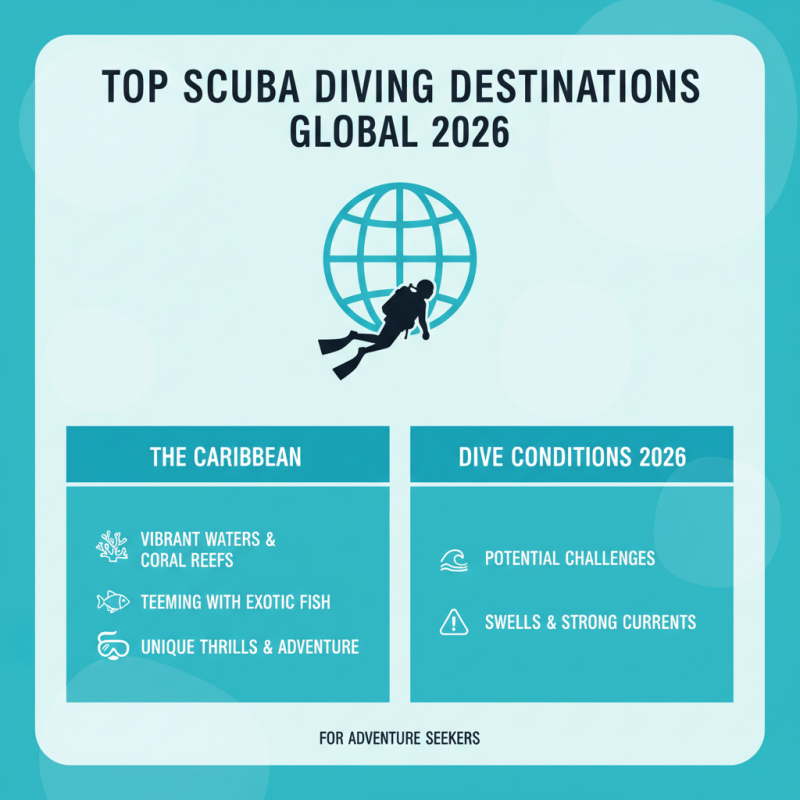
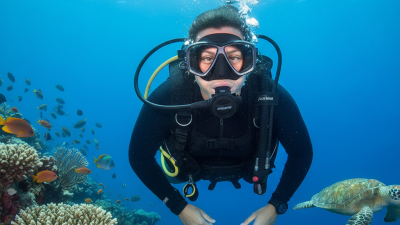
Diving into the depths of the ocean offers a unique thrill. For adventure seekers in 2026, some destinations stand out. The vibrant waters of the Caribbean promise rich experiences. Colorful coral reefs teem with life. Encountering exotic fish can leave divers in awe. But, conditions can be challenging at times. Swells and currents might test even experienced divers.
Moving to the Pacific, dive spots in Southeast Asia are incredible. Indonesia, in particular, boasts diverse marine ecosystems. Here, you might swim alongside majestic manta rays and playful dolphins. Visibility can be superb, revealing stunning underwater landscapes. However, divers must remain mindful of environmental changes. Overfishing and pollution are serious issues in these regions.
The Red Sea also calls to those with a sense of adventure. Its clear blue waters are home to awe-inspiring wrecks. Exploring historical shipwrecks can be both thrilling and educational. Yet, not every dive goes as planned. Strong currents may require extra care and skill. Being prepared for the unexpected is key.
Best Underwater Ecosystems to Explore: Coral Reefs to Shipwrecks
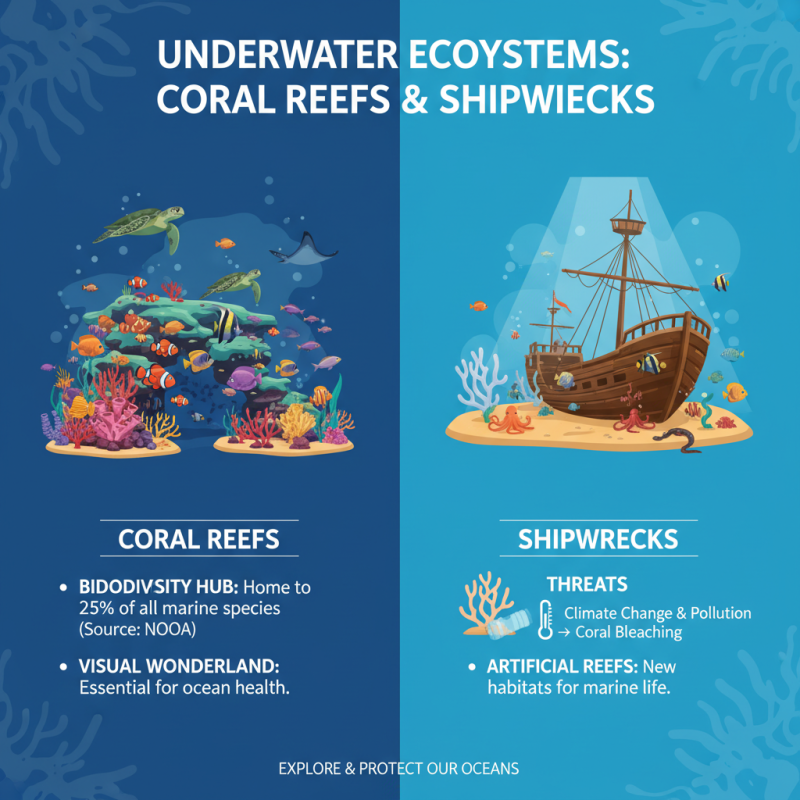
Exploring underwater ecosystems is a thrilling adventure. From vibrant coral reefs to haunting shipwrecks, each dive offers unique experiences. According to the National Oceanic and Atmospheric Administration (NOAA), coral reefs support 25% of all marine species. They are essential for biodiversity and provide incredible visuals for divers. However, reefs face threats like climate change and pollution, leading to coral bleaching.
Shipwrecks present a different allure. They house diverse marine life and tell stories of maritime history. Diving near wrecks allows explorers to witness how nature reclaims these structures. Recent studies reveal that artificial reefs, created from sunken ships, can enhance local biodiversity significantly.
**Tips:** Always check local regulations before diving near reefs or wrecks. This ensures protection for these vital ecosystems. Stay with a dive buddy; safety is paramount in underwater exploration. Remember, respecting marine life is crucial. Avoid touching corals or disturbing wildlife.
Unique Marine Life Encounters: What Awaits Adventure Seekers
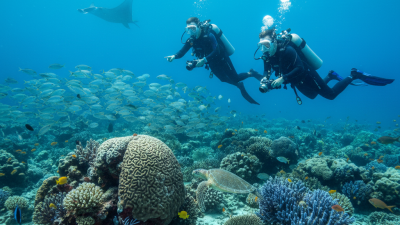
Diving into the depths of vibrant coral reefs reveals a world teeming with life. Some destinations stand out for their unique marine encounters. The Great Barrier Reef in Australia remains one of the most popular. It is home to over 1,500 species of fish and 400 types of coral. This biodiversity attracts adventure seekers from around the globe.
In contrast, the Galápagos Islands offer a rare opportunity to swim with sea lions and witness marine iguanas. A 2022 report found that 84% of divers noted an unforgettable interaction with wildlife here. However, visitor numbers are rising, which can impact the ecosystems. Conservation efforts are crucial to maintain these experiences.
Scuba diving in less commercialized spots, such as the Red Sea, provides a different thrill. It boasts some of the clearest waters, revealing an astounding underwater landscape. Nevertheless, it requires divers to step outside their comfort zones. Engaging with marine life in these regions reflects the delicate balance between adventure and preservation. There's much to explore, but it's essential to reflect on our impact as we dive deeper into these enchanting worlds.
2026 Best Scuba Diving Destinations for Adventure Seekers
Diving Conditions and Seasonality: When to Plan Your Trip
Planning your scuba diving trip involves understanding the best times to dive. Each location offers unique diving conditions that can change with the seasons. For instance, some dive spots have clear waters and vibrant marine life during specific months, while during other times, conditions may be less favorable.
In the Caribbean, the dry season from December to April typically offers excellent visibility. The water temperature is warm, attracting diverse marine species. However, hurricane season from June to November can disrupt your plans.
In Southeast Asia, dive conditions vary greatly. The monsoon season may lead to rough seas. Consider visiting places like the Maldives from November to May for stunning underwater experiences.
Be mindful that personal experience can differ. Beginners may struggle with stronger currents or colder waters. Familiarizing yourself with seasonal changes is crucial. Research your chosen destination's specific conditions for the best experience. Going with an experienced guide can also enhance your safety and enjoyment.
Essential Gear and Preparation for Your Scuba Diving Adventure
Preparing for a scuba diving adventure requires careful planning and the right gear. Start by investing in a well-fitting wetsuit. It protects against cold water and marine life. The thickness of the wetsuit can vary based on your destination's temperature. Don't forget accessories like gloves and booties that can enhance your comfort underwater.
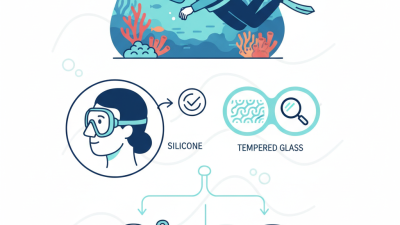
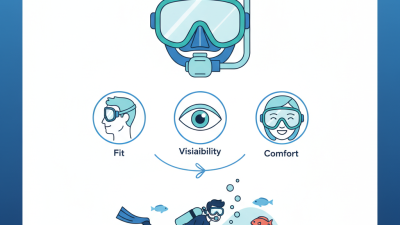
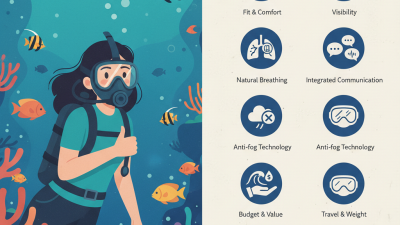
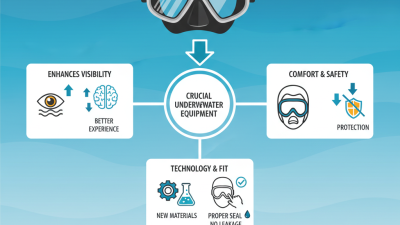
Next, consider your mask and snorkel. A quality mask ensures a good seal, reducing leaks. Look for a mask that offers a wide field of vision. A snorkel with a splash guard will prevent water from entering. Fins are just as essential. Choose fins that match your diving style. Short fins are more maneuverable, while long fins provide speed.
Lastly, think about your dive computer or depth gauge. Staying aware of your depth and time underwater is crucial. Safety should always be a priority. While equipment is vital, experience counts, too. Practice in controlled environments before heading into the ocean. Remember, every dive presents unique challenges. Reflect on your experiences to improve your skills.