Explore the Best Dive Shop Trends for 2026 Insights and Innovations?
As we approach 2026, the landscape of dive shops is rapidly evolving. These establishments are not just places to buy gear; they represent a hub for community and innovation. The trends shaping dive shops highlight a growing need for sustainability. Eco-friendly products and practices are becoming more popular among consumers.
New technologies are making their way into dive shops, enhancing customer experience. Virtual reality simulations are attracting newcomers, bridging the gap between curiosity and commitment. However, not every shop is adapting equally. Some are lagging behind, failing to meet the changing demands of divers.
Investing in staff training is crucial for a competitive edge. Knowledgeable employees can provide tailored advice, enhancing customer satisfaction. Dive shops must not overlook the value of customer feedback. Listening to patrons will help in refining services and products. In a world that demands constant adaptability, the future of dive shops lies in embracing innovation and listening to their clientele.
Emerging Dive Shop Technologies Transforming Customer Experiences in 2026
In 2026, the dive shop landscape is witnessing a significant transformation driven by innovative technologies. Advanced booking systems are becoming commonplace, enabling customers to secure their dives effortlessly.
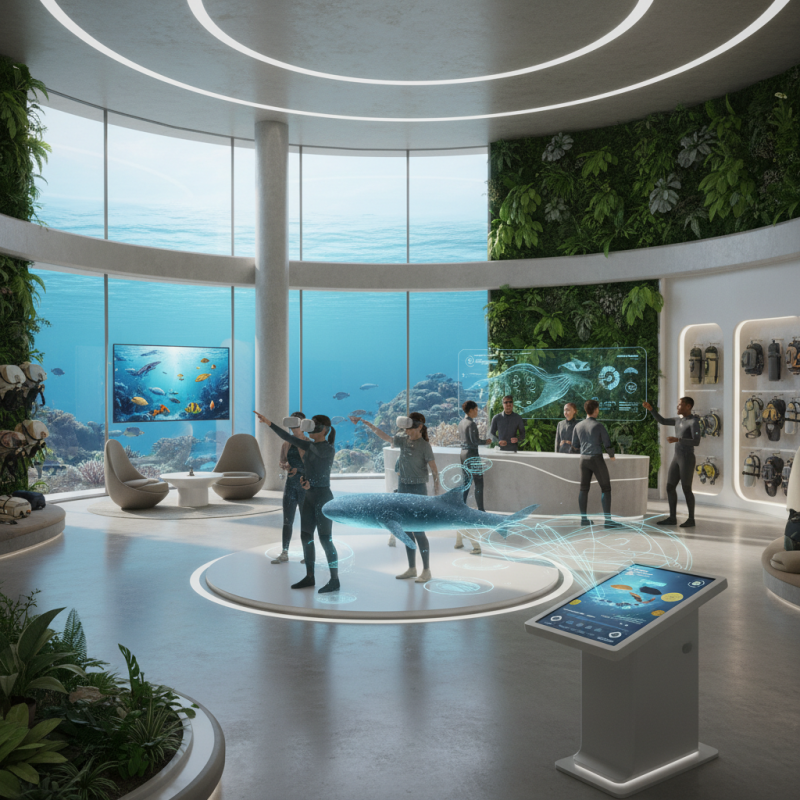
Virtual reality experiences are gaining traction, providing potential divers with immersive previews of underwater adventures. Imagine trying on gear in a digital space before making a purchase. This level of interaction enhances confidence for many first-time divers.
Drones are revolutionizing how dive shops offer services. They provide aerial footage of dive sites, offering customers stunning visual insights. This technology boosts marketing efforts while sparking excitement about dive locations. However, reliance on technology can lead to discrepancies in customer expectations. Not every experience will live up to the lofty previews.
Furthermore, artificial intelligence tools are streamlining customer service. Chatbots assist with inquiries around the clock, ensuring that help is always available. Yet, there’s a charm in human interaction that can’t be fully replicated. Many divers still crave personal recommendations from seasoned pros.
As businesses adopt these cutting-edge tools, they must also reflect on maintaining authentic connections with their customers. Balancing innovation with personal touch will be key as dive shops navigate this evolving landscape.
Sustainability Practices in Dive Shops: Adapting to Eco-Conscious Travelers
As eco-conscious travelers seek out responsible experiences, dive shops are embracing sustainability practices. Many are adopting eco-friendly gear. This includes items made from recycled materials. By reducing plastic waste, they support marine health. Shops are also training staff on conservation efforts. This knowledge helps divers understand their impact.
Tips: Always ask dive shops about their sustainability measures. Inquire about their waste management. Look for initiatives aimed at protecting marine life.
Some dive shops struggle with balancing business and earth-friendly practices. For example, not all locations can afford solar panels. Others might find it challenging to source sustainable equipment. However, small changes can make a difference. Simple steps towards minimizing waste are essential.
Tips: Bring reusable items, like water bottles and bags. Choose dive shops that offer eco-conscious activities. Participate in local clean-up events to show support.
Explore the Best Dive Shop Trends for 2026 Insights and Innovations
| Trend |
Description |
Impact |
Implementation |
| Eco-Friendly Equipment |
Using sustainable materials for dive gear and accessories. |
Reduces environmental impact and appeals to eco-conscious customers. |
Partner with suppliers that focus on sustainability. |
| Digital Diving |
Incorporating apps and online platforms for bookings and lessons. |
Improves customer engagement and convenience. |
Invest in technology and user-friendly interfaces. |
| Community Involvement |
Engaging with local communities for conservation efforts. |
Enhances brand reputation and fosters loyalty. |
Organize beach clean-ups and educational workshops. |
| Carbon Offset Programs |
Offering options for customers to offset their carbon footprint. |
Aligns with eco-conscious values, attracting more patrons. |
Collaborate with environmental organizations. |
| Diverse Training Programs |
Developing a range of courses for different skill levels. |
Widens market appeal by catering to all divers. |
Employ skilled instructors and create tailored curricula. |
The Role of Virtual Reality in Dive Training and Equipment Demonstration
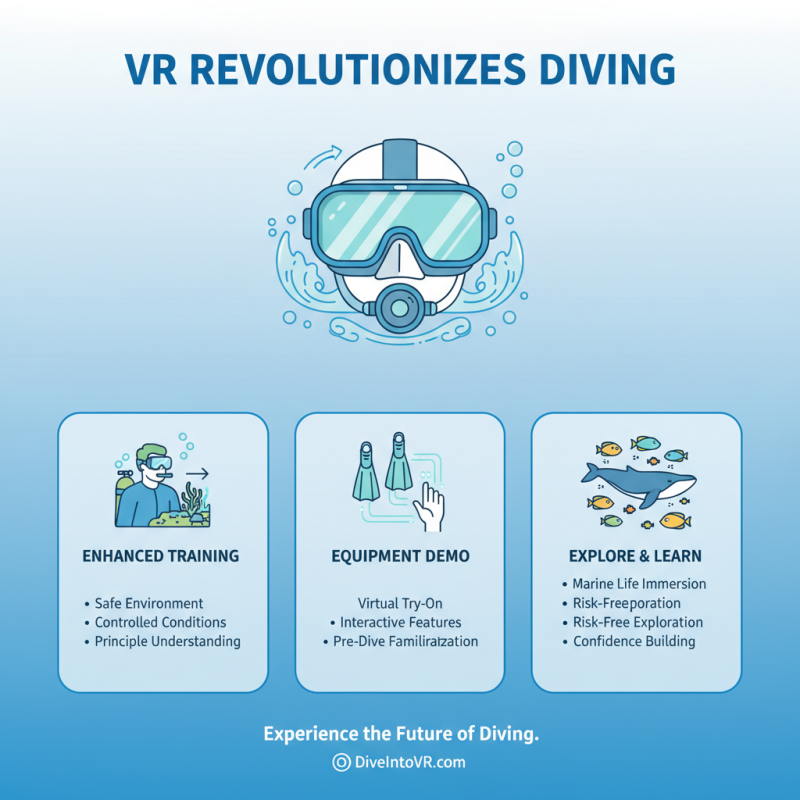
The diving industry is on the verge of a transformation, thanks to virtual reality (VR). This technology enhances dive training and equipment demonstration. Imagine slipping on a VR headset and being transported underwater. Divers can explore marine life in a safe, controlled environment. This allows users to understand diving principles without the pressure of real-life conditions.
Training programs can incorporate VR modules. Trainees can practice skills, such as buoyancy control or equipment checks. A virtual instructor guides them through scenarios. Mistakes can occur without serious consequences in this space. However, the challenge lies in creating realistic simulations that truly mimic underwater experiences. Not all VR setups are equal, and some can feel disjointed or unengaging.
Moreover, the accessibility of VR technology raises questions. Not everyone can afford it. There are concerns about its effectiveness compared to traditional training methods. Some instructors might find it hard to adapt. Bridging the gap between tech and traditional practices is essential for getting the best results. Embracing VR means understanding its limitations and advantages. This balancing act will shape the future of dive training.
Data-Driven Marketing Strategies for Dive Shops in a Competitive Landscape
In the ever-evolving landscape of dive shops,
data-driven marketing strategies are crucial. Shops must harness data to understand customer preferences.
This means analyzing trends and behaviors. Social media insights
can reveal what divers want. Engaging content that resonates with audiences is essential.
Utilizing technology is key. Dive shops should consider customer relationship management (CRM)
tools. These tools help track customer interactions and preferences. It’s a journey of trial and error, identifying
what works and what doesn’t. Diving deeper into customer feedback
can open new avenues. Not every strategy will hit the mark, but learning is part of growth.
Another approach is personalization. Customizing promotions based on past purchases creates a connection with customers.
A personal touch can transform casual shoppers into loyal divers. However, it requires ongoing effort.
Shops may stumble while trying new tactics, but adapting is vital. Embrace the challenges, learn from mistakes,
and stay focused on customer needs.
Customer Engagement Trends: Personalization and Loyalty Programs in Diving
As 2026 approaches, diving shops must embrace new customer engagement strategies. Personalization is key. A recent study found that 80% of consumers prefer tailored experiences. This trend is crucial in the diving industry, where every diver has unique needs. By offering personalized gear recommendations or custom dive packages, shops enhance the customer experience.
Loyalty programs also play a vital role. According to industry reports, businesses with robust loyalty programs enjoy a 20% increase in repeat customers. Diving shops can implement programs that reward frequent divers with discounts or exclusive dives. Building a community around shared interests fosters loyalty. Yet, it’s crucial to balance exclusive offers with inclusiveness to avoid alienating occasional divers.
Tips: Encourage repeat visits by holding events for loyalty members. Host social dive events that allow divers to connect. Use social media to gather feedback and adjust programs based on customer preferences. Listening to diver feedback can reveal trends. It's not only about keeping loyal customers, but also about understanding their evolving desires.
Customer Engagement Trends in Diving for 2026
This chart illustrates the predicted trends in customer engagement in the diving industry for 2026. The focus is on personalization, loyalty programs, and technology adoption to enhance customer experiences.