How to Choose the Best Dive Shop for Your Adventure?
Choosing the right dive shop can significantly impact your underwater adventure. According to a recent industry report, 70% of divers stated that the quality of their dive shop influenced their overall experience. This highlights the importance of selecting a reliable and well-reviewed dive shop. With many options available, how can one ensure they make the right choice?
When searching for the best dive shop, consider factors like safety ratings, instructor certifications, and customer reviews. A study found that 60% of divers prioritize safety above all else. Dive shops with well-trained staff and quality equipment are crucial for a safe experience. Additionally, shops that focus on customer service often receive higher satisfaction ratings.
However, not all dive shops are created equal. Some might lack the latest gear or fail to maintain safety standards, leading to regrets later. Investigating each shop's credentials and feedback can provide clarity. Ultimately, an informed choice can make the difference between an unforgettable dive and a disappointing one.

Factors to Consider When Choosing a Dive Shop for Your Adventure
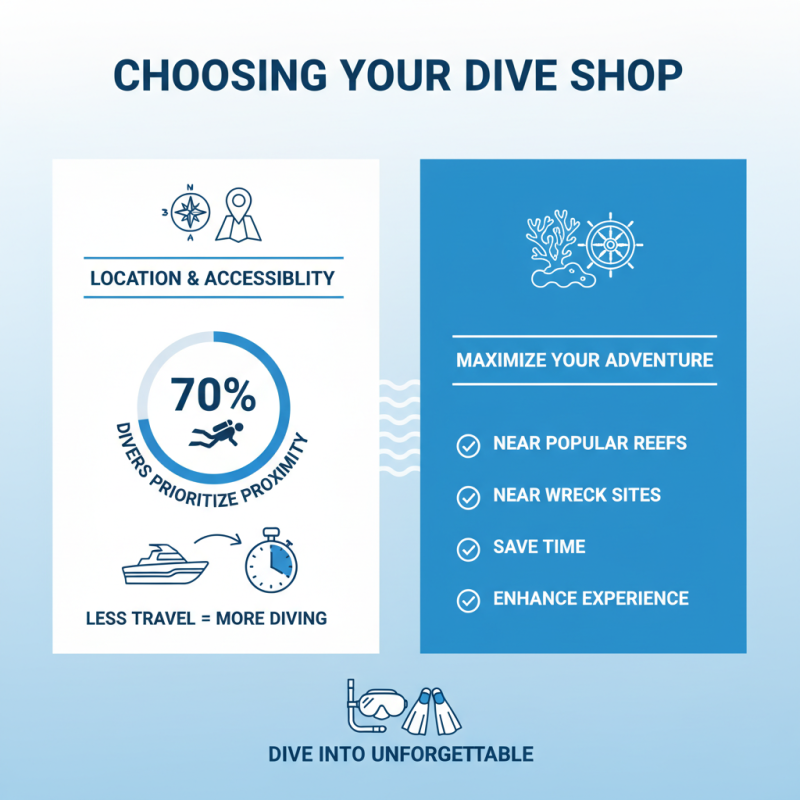
Choosing the right dive shop can greatly enhance your underwater experience. First, consider the location. A shop near popular dive sites can save you travel time. Explore reviews online to gauge customer satisfaction. Many divers share their experiences in forums. This feedback can provide valuable insight into a shop’s services.
Next, focus on the staff's qualifications. Instructors should have the proper certifications. Ask about their experience in the local waters. This is crucial for your safety and learning. Not all dive shops provide the same level of training. Some may rush through classes, impacting your skills.
Additionally, check the equipment quality. Dive gear should be well-maintained and up-to-date. A dive shop that prioritizes safety will often invest in high-quality gear. Pay attention to details. Is the shop clean? Are the tanks regularly inspected? These factors can indicate how seriously they take safety.
Understanding Certification Standards: PADI vs. SSI and Others
Choosing the right dive shop can shape your underwater experience. Certification standards play a significant role in this choice. Two prominent organizations are often discussed: PADI and SSI. Each has its own training approach and philosophy. Many divers appreciate PADI for its structured programs. Others prefer SSI for its flexibility and emphasis on experience.
Diving certifications ensure you are trained and safe. Yet, not all dive shops uphold the same standards. Some may cut corners, focusing on quantity over quality. This may result in inadequate training. It's crucial to investigate how the shop operates. Ask about instructor qualifications. Explore their training materials. This due diligence can prevent poor decisions.
Visiting a dive shop is an experience in itself. Observe the atmosphere and communication. Is the staff welcoming? Are they willing to address concerns? Trust your instincts. A friendly environment often reflects a better learning experience. Failing to pick the right dive shop can lead to regrets later. Take your time, and don’t rush the decision. Exploring all the options increases your chances of finding the best fit for your adventure.
Evaluating Customer Reviews and Testimonials for Dive Shops
When considering a dive shop for your adventure, customer reviews are invaluable. Look for testimonials that highlight real experiences. Pay attention to the details shared by divers. This can reveal the shop's service quality and equipment condition. Short snippets like "great guides" or "well-maintained gear" can guide your choice. But remember, not every review is perfect.
Some feedback may express concerns about overcrowded trips or communication issues. These aspects matter. A well-rounded view helps you prepare for what to expect. Occasionally, customers will mention a negative encounter that could reflect a pattern. Take note of these, but also consider the context. A single bad review might not tell the whole story.
Reading multiple reviews allows you to spot common themes. If several divers mention safety, for instance, that’s an essential factor. Look for detailed accounts of diving conditions and instructor expertise. Thoughtful reviews can paint a fuller picture. They can guide your adventure, making it both enjoyable and safe.
Assessing Safety Standards and Equipment Quality in Dive Centers
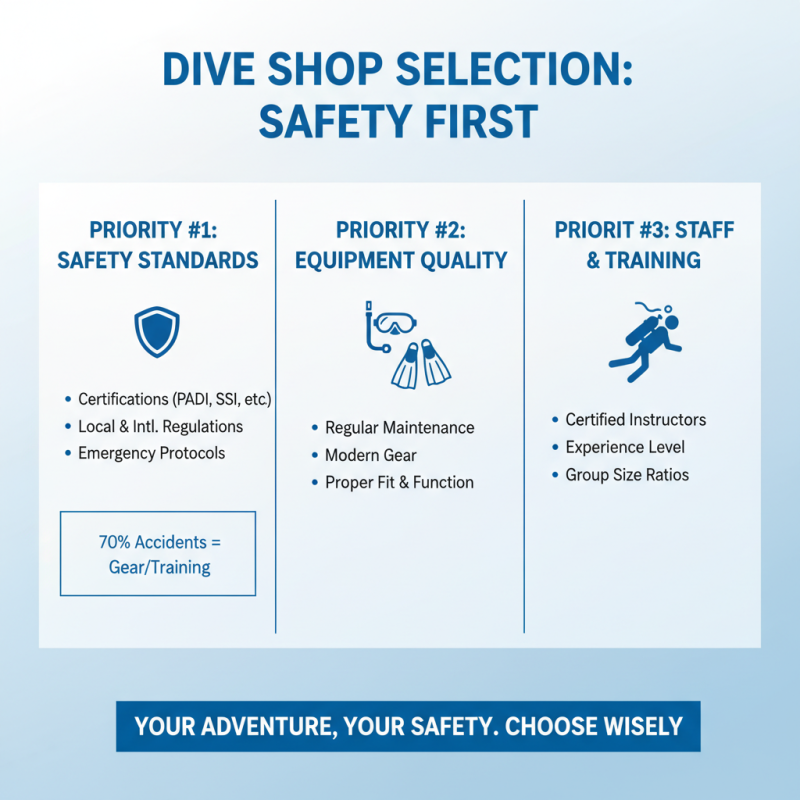
When selecting a dive shop, safety standards and equipment quality are paramount. According to industry reports, about 70% of dive accidents are linked to improper gear maintenance or lack of training. It’s crucial to confirm that the dive center adheres to local and international safety regulations. Look for certifications from recognized organizations, as they reflect the shop's commitment to safety.
Inspecting the dive equipment is essential. Properly maintained gear can significantly reduce risks. Textbook guidelines state that dive tanks should be visually inspected every year and hydrostatically tested every five years. A dive shop that prioritizes these checks demonstrates its dedication to safety. Ask about the equipment’s age and service history. If staff members cannot provide this information, consider it a red flag.
Furthermore, personal interaction can unveil much more than brochures. Engage with instructors to gauge their experience. Are they confident? Do they communicate safety protocols clearly? Remember that a dive shop should promote a culture of safety. If they rush through your briefings or seem indifferent, it may indicate deeper issues within their practices. Your safety should always be the top priority while underwater.