2026 How to Choose the Best Scuba Diving Gear for Your Adventures?
Choosing the best scuba diving gear may seem daunting. With various options available, it’s crucial to find what works for you. Quality scuba diving gear can make all the difference in your underwater experience.
When selecting equipment, consider comfort and safety. A proper fit is essential for buoyancy and mobility. An ill-fitting wetsuit or mask can lead to discomfort, which detracts from your dive. Test gear before you buy. This step helps ensure that your scuba diving gear meets your needs.
In addition, think about durability and maintenance. You want gear that lasts through many adventures. However, even the best gear requires care. Neglect can lead to issues when submerged. Reflect on your choices carefully; the right scuba diving gear enhances your underwater journey.
Understanding the Essential Components of Scuba Diving Gear
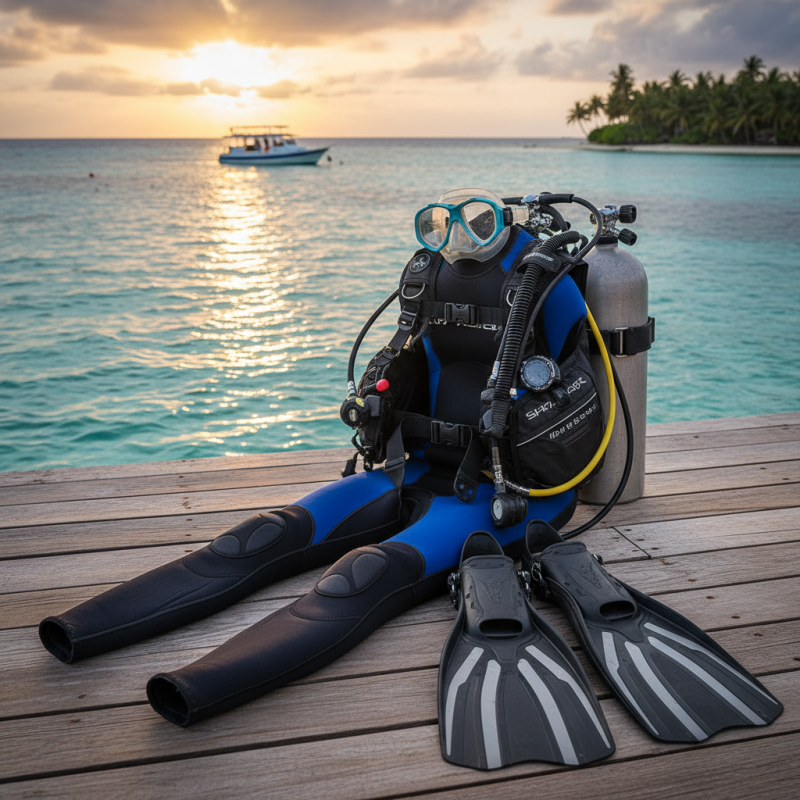
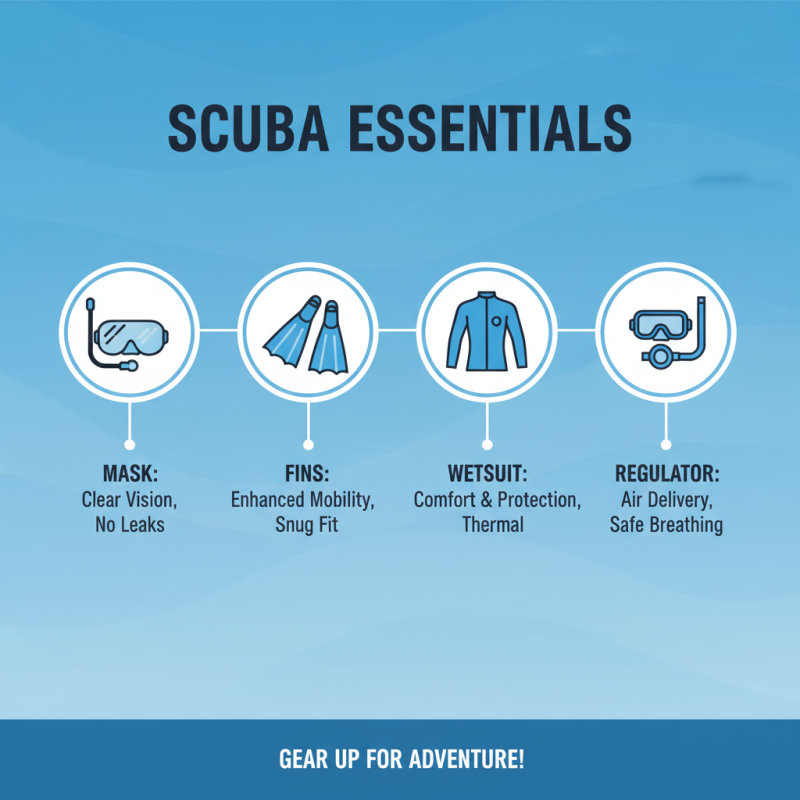
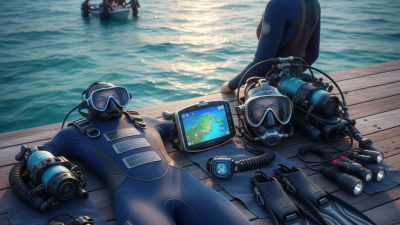
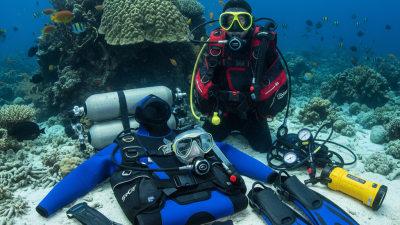
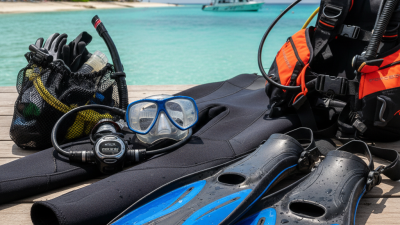
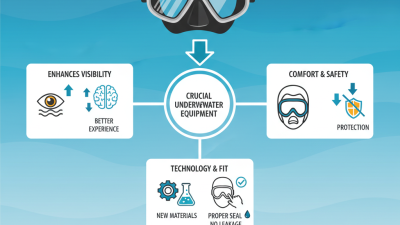
Choosing the right scuba diving gear is essential for an enjoyable underwater experience. The key components include the mask, fins, wetsuit, and regulator. Each piece plays a crucial role in comfort and safety. A well-fitting mask should create a seal against your face. This avoids leaks and allows clear vision. Fins enhance your mobility. They should fit snugly, yet not too tightly to prevent discomfort.
Tips: Always try on masks before buying. This ensures a proper fit. Your fins should allow for a natural kick motion. This not only makes diving easier but also conserves energy.
A wetsuit is vital for temperature regulation. It should fit closely to your body but allow for some movement. Consider the water temperature and type of diving. A thicker wetsuit offers more warmth. A regulator is perhaps the most critical part of your setup. It provides air from your tank. Look for ease of use and reliability.
Tips: Test your regulator in controlled environments. Get comfortable with it before you dive deep. Remember, comfort and safety should be your top priority. Choosing the right gear can be a challenging process. Reflect on what works for you as you progress.
Evaluating Different Types of Dive Masks and Their Features
When choosing a dive mask, you need to consider several features. A good mask should have a proper fit and comfort. A well-fitted mask prevents water leaks, which is crucial for an enjoyable dive. According to the Scuba Industry Association, an ill-fitting mask is one of the top reasons for diver discomfort.
Clear visibility is another key factor. Dive masks come with various lens types, including single, double, and panoramic. Double lenses often provide better visibility. In fact, a study published in the Journal of Underwater and Hyperbaric Medicine highlighted that divers preferred masks with wider fields of vision for ease during underwater exploration.
Tips: Always try on masks in water if possible. It helps to ensure a good seal. Don't rush your purchase. Consider the thickness of the mask skirt and the quality of the materials. These aspects can greatly affect your experience.
For a more comfortable dive, test different sizes and designs. Every face is unique. A mask that fits well might still have issues if the design doesn’t match your face shape. Always reflect on your experiences, as this will guide future choices in gear.
Choosing the Right Fins for Comfort and Performance
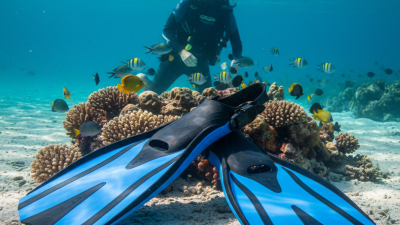
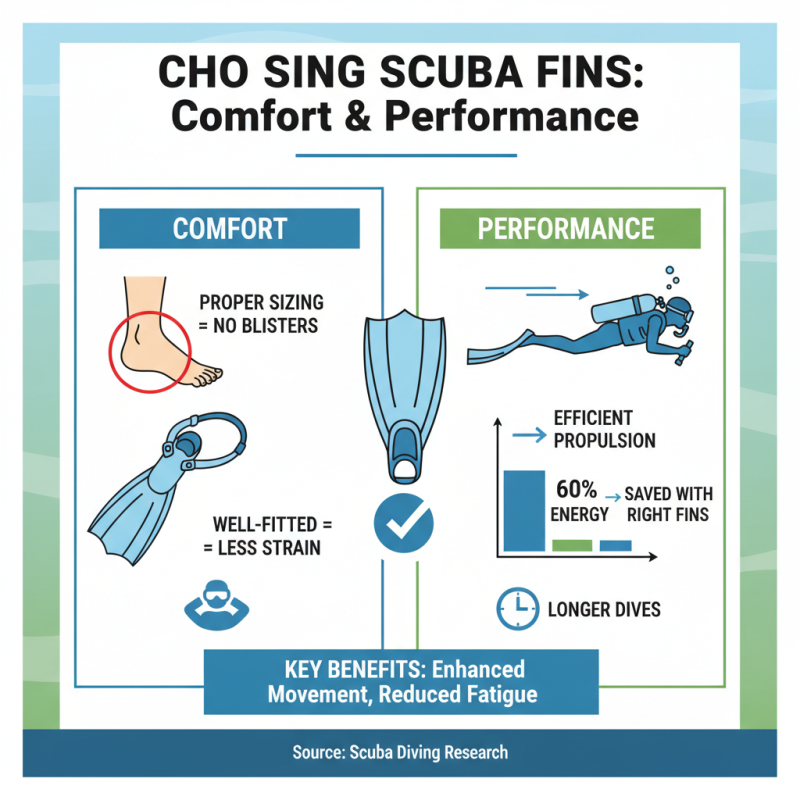
When it comes to scuba diving, choosing the right fins is crucial for both comfort and performance. Research indicates that divers can expend up to 60% of their energy on propulsion with their fins. This makes efficient fin selection essential for longer dives. A well-fitted fin should facilitate movement without causing strain. Proper sizing prevents painful blisters and ensures effective kicks.
Different fin types cater to various diving styles. Open-heel fins are great for cold water dives, offering better adjustment. Full-foot fins, in contrast, suit warm water and provide a snug fit. According to a survey by diving experts, 75% of divers recommended trying on fins before buying. Comfort is key; if the fins feel tight during a brief test, consider seeking other options.
The material also impacts performance. Stiffer fins generate more propulsion but can tire you out faster. Softer fins may offer more comfort but less power. Finding a balance is imperative. Divers often report frustration when their chosen fins do not meet expectations in real situations. Testing fins in water is crucial for making an informed choice. Each diver's needs vary, and understanding this complexity leads to better underwater experiences.
Selecting a Suitable Wetsuit for Varying Water Conditions
When selecting a wetsuit, consider the water temperature and conditions. A typical thermal guide suggests using a 3mm wetsuit for moderate water, around 70°F. Colder waters below 60°F require a 5mm suit or thicker. This ensures warmth and comfort during dives. In warmer climates, a shorty wetsuit might suffice, offering flexibility while preventing sunburn.
The fit of the wetsuit is crucial. A well-fitted suit minimizes water entry while allowing for movement. Reports indicate up to 80% of divers experience discomfort due to ill-fitting gear. Conversely, a suit that's too tight can restrict blood flow. Don’t overlook the importance of seams and zippers. Flatlock seams help prevent chafing but may allow more water in, while sealed seams offer better insulation.
Consider different diving environments. For instance, tropical conditions can lead to overheating in thicker suits. In contrast, rocky or sharp environments may call for reinforced knees and elbows. Each dive presents unique challenges. Divers often report learning curves with gear choices. Reflecting on past experiences can guide responsible selections. Your gear impacts every dive, and it’s vital to choose wisely.
Importance of Dive Computer and Safety Accessories in Scuba Diving
When scuba diving, safety is paramount. Dive computers play a critical role in ensuring divers avoid dangerous situations. They track depth, time, and decompression limits. According to industry reports, divers using computers are 30% less likely to experience decompression sickness. This technology offers real-time data, which is essential for enjoyable dives.
Safety accessories further enhance diving experiences. Items such as surface markers and dive knives are not optional. They can be lifesavers in emergencies. A study showed that divers equipped with safety tools reported a 40% increase in confidence underwater. However, many divers tend to overlook checking these accessories before a dive. It's vital to regularly inspect all gear, even safety devices, to avoid future issues.
Understanding the importance of these tools is crucial for every diver. Neglecting them can lead to dire consequences. The ocean can be unpredictable. Each dive presents unique challenges. Emphasizing the proper use of technology and accessories should not be taken lightly. Planning ahead is essential. Ensuring that every piece of equipment is in good condition can save lives.