How to Choose the Best Diving Fins for Your Needs?
Choosing the right diving fins can significantly enhance your underwater experience. According to John Smith, a seasoned diving instructor, “The right fins can make all the difference in your dive.” With numerous options available, making this selection can feel overwhelming.
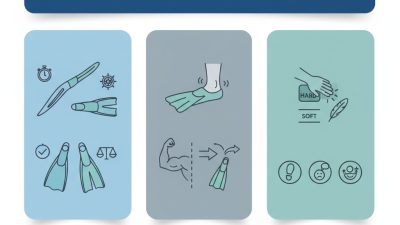
Diving fins come in various shapes and sizes. Each type offers unique benefits that cater to different diving styles. For instance, soft fins are great for casual divers, while stiffer fins provide better propulsion for professional use. Understanding your needs is crucial. A poor fit can lead to discomfort and fatigue.
Experts emphasize the importance of trying on fins before purchase. Comfort should never be compromised. Even small issues, like pinching or sliding, can affect your dive. Reflecting on your experience and preferences will guide your decision-making. Selecting the best diving fins for your needs requires attention to detail and personal insight.
Understanding the Different Types of Diving Fins Available
When choosing diving fins, understanding the types available is essential. There are various fins, each designed for specific diving styles.
Open-heel fins feature adjustable straps and are great for wearing neoprene boots. These fins provide excellent propulsion and are suitable for colder waters.
Full-foot fins, on the other hand, fit snugly over the foot and are ideal for warm, tropical areas. They offer a lightweight option, but can be less versatile in varying conditions.
Tips for selecting the right fin include considering your diving environment. If you dive in colder waters, opt for open-heel fins for added comfort. For warm water diving, lightweight full-foot fins are preferable. Don't forget to assess your skill level. Beginners may find shorter, paddle-shaped fins easier to control. More experienced divers might prefer longer, more efficient fins for better speed and maneuverability.
Also, test the fins before purchasing. Ensure they fit snugly without causing discomfort. Walking in them can provide insight into their practical use. Evaluate their performance during actual dives, as comfort is crucial.
Remember that the perfect fin for one person may not suit another. It's all about personal preference and diving style.
Key Features to Consider When Choosing Diving Fins
When choosing diving fins, several key features should be considered to ensure they meet your specific needs. Fit is crucial. Fins should feel snug but not overly tight. An uncomfortable fit can lead to blisters or cramps. Pay attention to the foot pocket design. Open-heel fins offer adjustability, while full-foot fins provide warmth. Think about your diving style. If you prefer speed, look for stiffer blades. Softer blades offer more flexibility, which is ideal for leisurely dives.
Blade length matters too. Longer blades allow for powerful kicks, which can be beneficial for deep dives. Shorter blades provide better maneuverability, making them suitable for tight spaces. Material also plays a role. Thermoplastic and rubber offer durability, while carbon fiber provides lightweight options. Your dive environment influences your choice. For warm waters, lightweight options work best. In colder waters, opt for full-foot fins for insulation.
Reflect on your diving experience. If you’re a beginner, you might not need the most advanced fins. Focus on comfort and ease of use. Assess your skill level honestly. It can lead to better choices and more enjoyable dives. Ultimately, the right fins will enhance your diving experience, but they must complement your dive habits and environment.
How to Determine the Right Size and Fit for Your Diving Fins
Choosing the right size and fit for diving fins is crucial for comfort and performance. According to a survey by the Professional Association of Diving Instructors (PADI), nearly 40% of divers report discomfort due to improper fin sizing.
To find the best fit, measure both foot length and width. Use a measuring tape or scale. Ensure your toes lightly touch the end of the fin. There should be enough space around the sides without being overly loose. Dive shops often provide sizing charts. Consult them for guidance.
Different fin styles may fit differently. Open-heel fins allow for adjustable straps, accommodating booties. In contrast, full-foot fins fit snugly against bare feet. Experts recommend trying on fins with the gear you’ll wear while diving. It’s essential to ensure a secure fit during the test. Remember, a correctly sized fin can significantly enhance your dive experience. An uncomfortable fit can lead to fatigue or injury, impacting your overall enjoyment. Proper sizing cannot be overlooked.
How to Choose the Best Diving Fins for Your Needs? - Size and Fit Comparison
Assessing Your Diving Style and Environment for Fins Selection
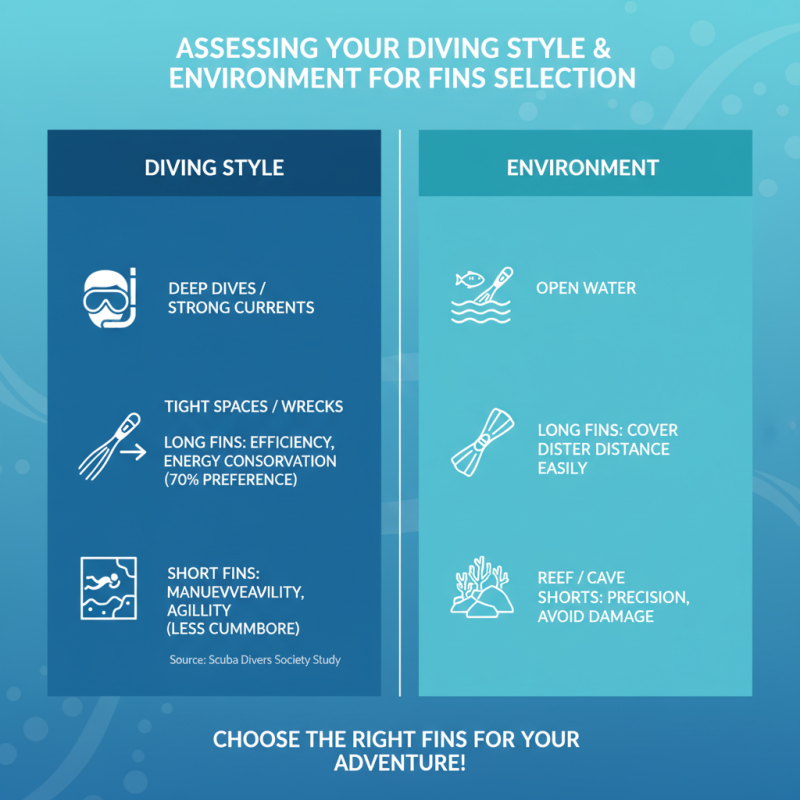
When selecting diving fins, understanding your diving style and environment is crucial. Different fin types serve unique purposes. A study by the Scuba Divers Society found that over 70% of divers prefer long fins for deep dives due to their efficiency. Long fins help maintain energy levels, especially in strong currents. However, they can be cumbersome in tight spaces.
For shallow water diving, shorter fins are often ideal. They provide more agility and allow for quick movements, which is essential in rocky terrains. According to a report from the International Diver’s Federation, divers in regions with abundant marine life often choose shorter fins for better maneuverability and direct interaction with their surroundings.
It’s vital to assess the diving conditions you typically encounter. For example, warm waters may require different fin materials compared to colder climates. Divers should also consider foot pocket sizes, as improper fits can lead to discomfort. Many divers overlook this aspect, resulting in poor dive experiences. Ensuring a snug fit can mitigate blisters and cramping. This personal assessment leads to informed choices, enhancing your diving adventures.