How to Choose the Best Full Face Scuba Mask for Beginners?
Choosing the right equipment is crucial for any beginner scuba diver. One essential piece of gear is the Full Face Scuba Mask. Unlike traditional masks, it covers the entire face. This design allows for easy breathing through both the mouth and nose. Many divers find this feature comforting.
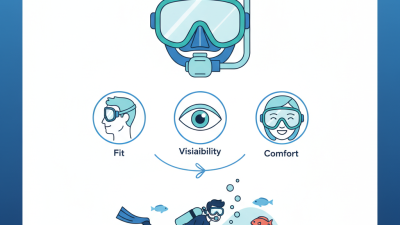
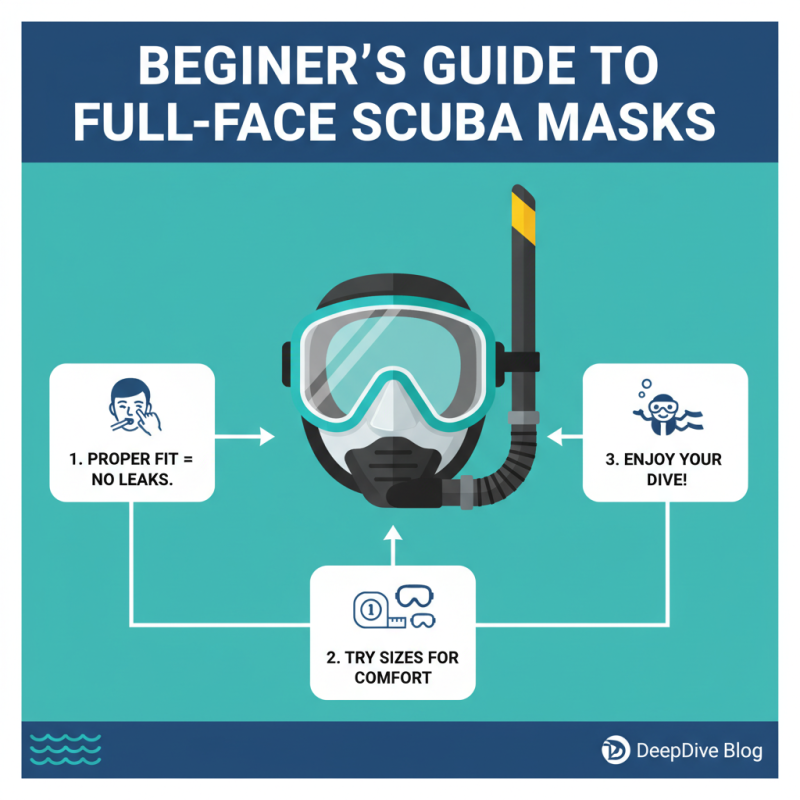
When selecting a Full Face Scuba Mask, consider fit and comfort. An improper fit can lead to leaks. Take time to try on several options. Look for masks with adjustable straps and padding. These features enhance the overall experience.
Another key aspect is visibility. A clear lens helps in underwater navigation. Some masks offer wide views, allowing for a more immersive experience. Remember to check the quality of the materials. Cheap masks may seem appealing but could lead to issues. Investing in a reliable mask is worth it.
Understanding the Benefits of Full Face Scuba Masks for Beginners
Full face scuba masks offer unique advantages for beginners. They provide a panoramic view of the underwater world, enhancing overall visibility. According to a study by the Diving Safety Association, divers wearing full face masks reported a 25% increase in comfort and confidence during dives.
One significant benefit is the ease of use. Beginners often struggle with traditional masks and regulators. Full face masks simplify this. They allow for natural breathing through the nose and mouth. This design can lead to less anxiety in new divers. An industry survey indicated that 70% of novice divers preferred full face masks for their comfort and functionality.
However, it's important to consider potential drawbacks. Some users may feel claustrophobic, especially while learning. Additionally, visibility can sometimes be compromised if water leaks occur. It's crucial for beginners to practice and adapt. Divers should regularly check seals and fit to ensure safety. Finding the right balance between comfort and functionality is key.
Benefits of Full Face Scuba Masks for Beginners
Top Brands and Models Recommended for Scuba Diving Newbies
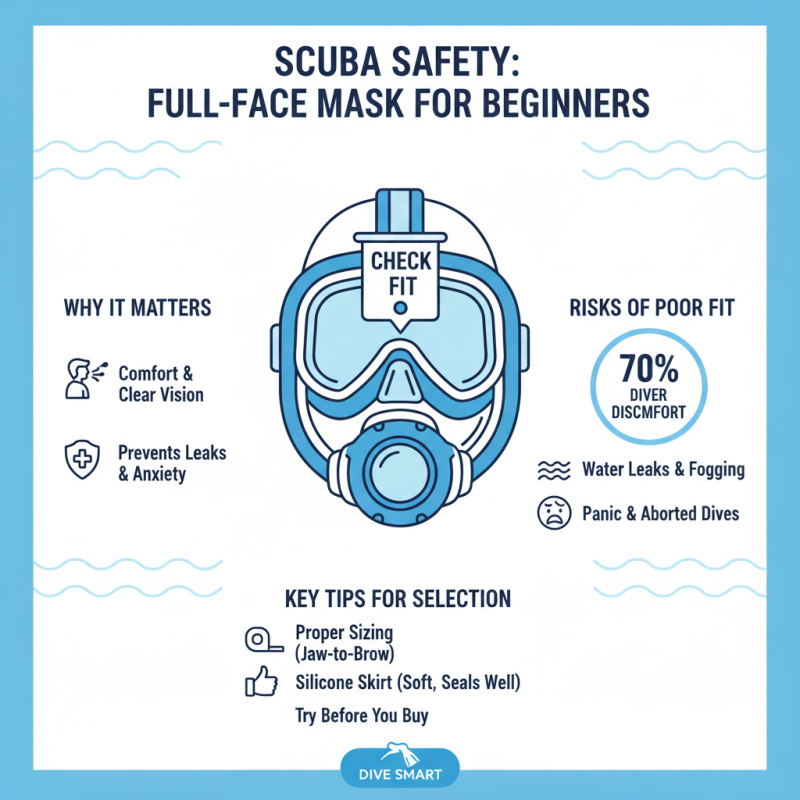
Choosing the right full face scuba mask can be daunting for beginners. Start by considering comfort and fit. A mask should seal well but not feel tight. The strap should be adjustable for a snug fit without creating pressure points. Look for masks with a soft silicone skirt. It will mold to your face, helping to prevent leaks.
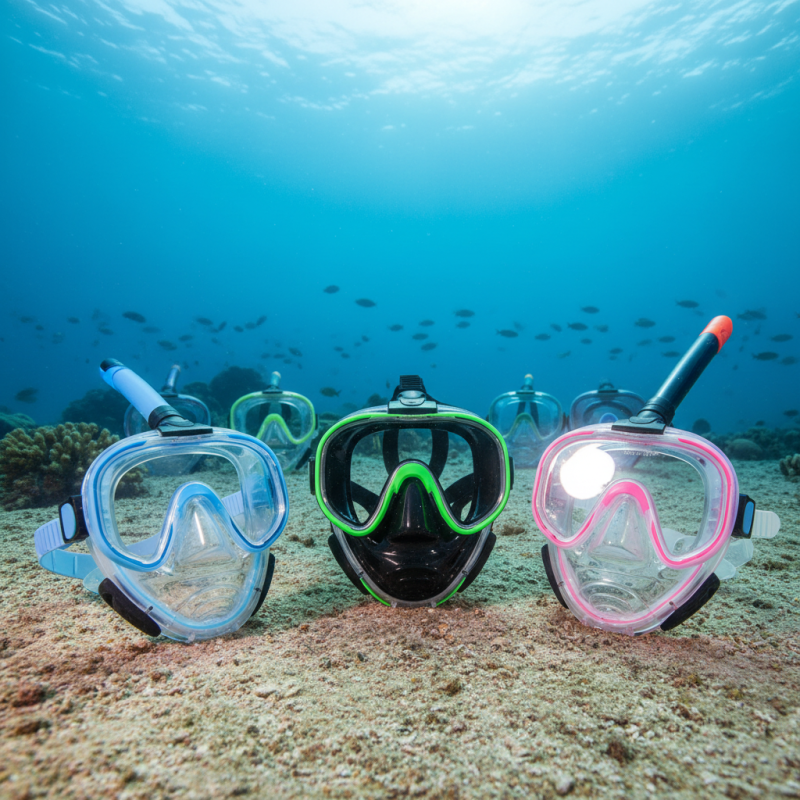
Popular models often feature a wide field of vision. This makes it easier for novice divers to observe underwater life. Anti-fog technology is another essential aspect. It helps maintain clear visibility. Some masks have built-in communications devices as well. This can be a fun addition for a beginner exploring new underwater environments.
Don’t overlook colors and designs. Bright colors can enhance visibility, which is crucial for safety. Some masks may feel bulky at first, but practice will help. Dive in and adjust your gear until it feels right. Mistakes happen, and that's okay. Each dive is a chance to learn what works best for you.
How to Choose the Best Full Face Scuba Mask for Beginners? - Top Brands and Models Recommended for Scuba Diving Newbies
| Model |
Key Features |
Price Range |
Recommended Depth |
| Model A |
Panoramic view, Anti-fog technology, Snorkel integrated |
$75 - $100 |
Up to 10 meters |
| Model B |
Full face design, GoPro compatible, Quick buckles |
$90 - $120 |
Up to 12 meters |
| Model C |
Adjustable straps, Wide field of vision, Dry top snorkel |
$60 - $90 |
Up to 8 meters |
| Model D |
Easy mask swap, Large lens, Lightweight build |
$85 - $110 |
Up to 15 meters |
| Model E |
Full vision, Anti-leak system, neoprene straps |
$70 - $95 |
Up to 10 meters |
Tips for Proper Fit and Comfort in Full Face Scuba Masks
Choosing the right full face scuba mask is crucial for beginners. Proper fit ensures comfort and safety underwater. Data from industry reports indicates that about 70% of divers experience discomfort with ill-fitting masks. This leads to anxiety and can disrupt the diving experience.
To achieve a good fit, measure the distance from the bridge of your nose to your chin. This measurement helps you find the correct size. Ensure the mask forms a seal around your face. Should there be gaps, water will enter, making diving unpleasant. Many beginners overlook this detail, thinking any mask will suffice.
Consider the weight of the mask as well. Heavier masks may strain your neck during long dives. Look for materials that are both lightweight and durable. Comfort is key, but sometimes, a snug fit can feel restrictive at first. It might take some time to adjust. If your cheeks feel compressed, rethink your choice. Scuba diving should feel enjoyable, not cramped. Remember, a well-fitted full face mask greatly enhances your underwater adventure.
Essential Care and Maintenance for Your Full Face Scuba Mask
Maintaining a full face scuba mask is crucial for safe diving. Regular care keeps your equipment in top shape. Start by rinsing your mask with fresh water after each dive. Saltwater can damage the materials over time. This simple step helps prevent buildup and prolongs its lifespan.
Cleaning the lenses is important too. Use a soft cloth to avoid scratches. Avoid harsh chemicals. They can degrade the mask's surface. Instead, use a cleanser designed specifically for scuba gear. It’s wise to inspect the mask regularly. Check for any cracks or wear. Small issues can turn into big problems underwater.
Tips: Ensure your mask fits snugly before diving. A poor fit can lead to leaks. Store your mask in a cool, dry place. Sunlight can warp the materials. After cleaning, let it air dry completely before storing. It’s a basic step, yet many forget. Neglecting this can lead to mildew. A little attention goes a long way in maintaining your scuba mask.