How to Choose the Right Diving Equipment for Beginners and Experts
Choosing the right diving equipment is essential for both beginners and experts. It determines safety and enjoyment underwater. New divers often feel overwhelmed. With so many options available, it can be confusing. Each item serves a unique purpose. Understanding these needs is key.
For beginners, comfort is crucial. You might find a well-fitting mask can enhance your experience. You want to feel secure and confident while exploring. Meanwhile, experts often have specific requirements. They may need advanced gear that allows for deeper dives. Knowing your level is important.
Ultimately, the right diving equipment varies from person to person. It reflects your skills and diving goals. Take time to assess your needs. Consider what works best for you. This approach can lead to a more enjoyable diving experience. Dive gear is not just a purchase; it's an investment in your adventure.
Understanding the Basics of Diving Equipment for All Levels
Diving is an exciting adventure that requires the right equipment. Beginners often feel overwhelmed with choices. Understanding the basics can make this process manageable.
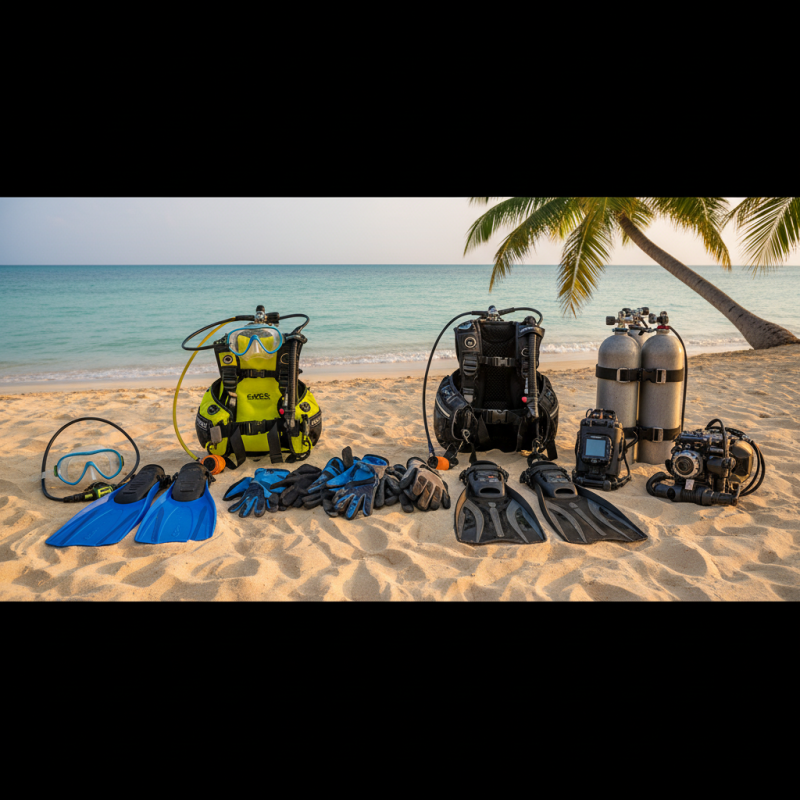
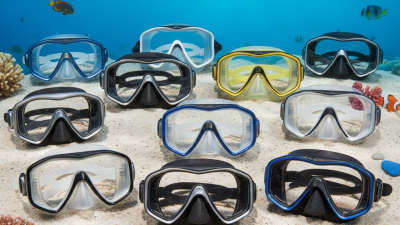
Start with a good mask. It should fit snugly without causing discomfort. A proper fit enhances visibility underwater.
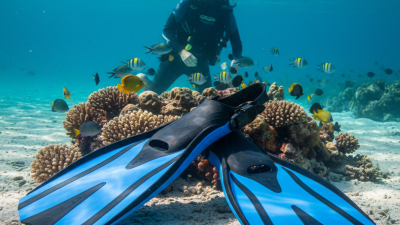
Fins are also essential. They should allow easy movement and comfort while swimming.
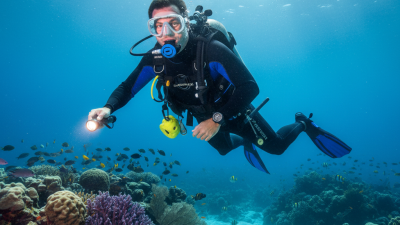
For seasoned divers, equipment needs become more specialized. Consider a wetsuit suited to the water temperature. It should provide insulation yet allow freedom of movement.
A reliable dive computer is another key item. It tracks depth and time, ensuring safety during dives. However, divers sometimes overlook these details.
Testing gear in shallow water before deep dives is a wise approach.
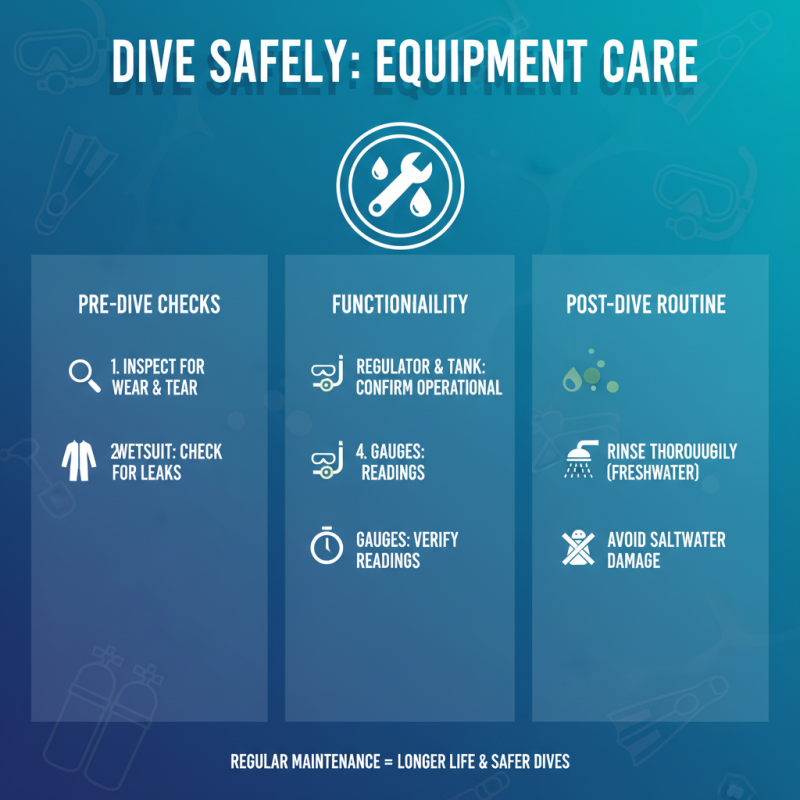
Regardless of experience, prioritize safety. Check your equipment regularly for wear and tear. This can save you from unexpected troubles during dives. Taking lessons on how to use your gear properly is also critical. Remember, equipment is an extension of you underwater.
Make choices that enhance your diving experience.
Essential Gear: What Beginners Need to Start Diving
Diving is an exhilarating sport, and for beginners, choosing the right gear is crucial. A study by the Professional Association of Diving Instructors (PADI) indicates that 70% of new divers felt insecure about their equipment choice. This shows how important it is to understand essential diving gear. A well-fitting mask is vital for visibility underwater. A poor fit can lead to discomfort and distraction.
The wetsuit is another essential item. It keeps you warm in colder waters and protects against marine life. According to a report from the Scuba Diving Industry Association, 60% of new divers reported feeling cold, which detracted from their experience. The correct thickness of the suit depends on the water temperature. However, many beginners choose a suit that is too warm for tropical diving, which can lead to overheating.
Fins facilitate movement in the water. They make swimming easier and more efficient. However, beginners often overlook their importance. A fitting study from Dive Training Magazine reveals that 65% of new divers struggle with leg fatigue. This can be due to using fins that are either too rigid or too loose. Comfort and fit should always take precedence.
Essential Diving Equipment for Beginners and Experts
This chart illustrates the importance rating of various diving equipment for both beginners and experts on a scale from 1 to 10. Key gear such as wetsuits and regulators are highlighted for their essential roles in ensuring safety and enhancing the diving experience.
Advanced Equipment for Experienced Divers: Upgrading Your Gear
When experienced divers consider upgrading their gear, the focus shifts to quality and advanced features. Advanced equipment often includes technical dive computers, specialized wetsuits, and high-performance fins. These items can enhance safety and increase dive efficiency. Divers should weigh the benefits against their diving needs. Not all high-end gear is necessary for every dive.
Investing in a dive computer can greatly benefit divers. They offer vital information about depth, time, and no-decompression limits. A good computer helps avoid diving errors. However, understanding how to use it is crucial. Take the time to read the manual and practice before your dive.
Consider your diving environment as you upgrade. A thicker wetsuit may be needed for colder waters. Also, proper buoyancy control devices are essential for deep dives. However, gear trends can be misleading. Some items may seem essential but may not fit your diving style. Always reassess your needs and equipment after multiple dives. This reflection is key to making informed choices for your diving adventure.
How to Choose the Right Diving Equipment for Beginners and Experts
| Equipment Type |
Beginner Recommendations |
Expert Recommendations |
Key Features |
| Mask |
Wide field of view, anti-fog coating |
Low volume, custom fit, integrated camera mount |
Comfortable seal, durable materials |
| Snorkel |
Flexible and easy to clear |
Dry top or splash guard, purge valve |
Comfortable mouthpiece, adjustable strap |
| Fins |
Open heel, adjustable straps |
Full foot design, advanced materials |
Efficient propulsion, comfort for long dives |
| Wetsuit |
3mm thickness, easy to don |
Custom fit, thicker options for colder water |
Insulation, flexibility, UV protection |
| BCD (Buoyancy Control Device) |
Simple design, easy to inflate/deflate |
Integrated weight system, multiple pockets |
Stability, comfort, durable construction |
| Regulator |
Basic, reliable model |
High-performance, adjustable airflow |
Ease of use, safety features |
Key Features to Consider When Choosing Diving Equipment
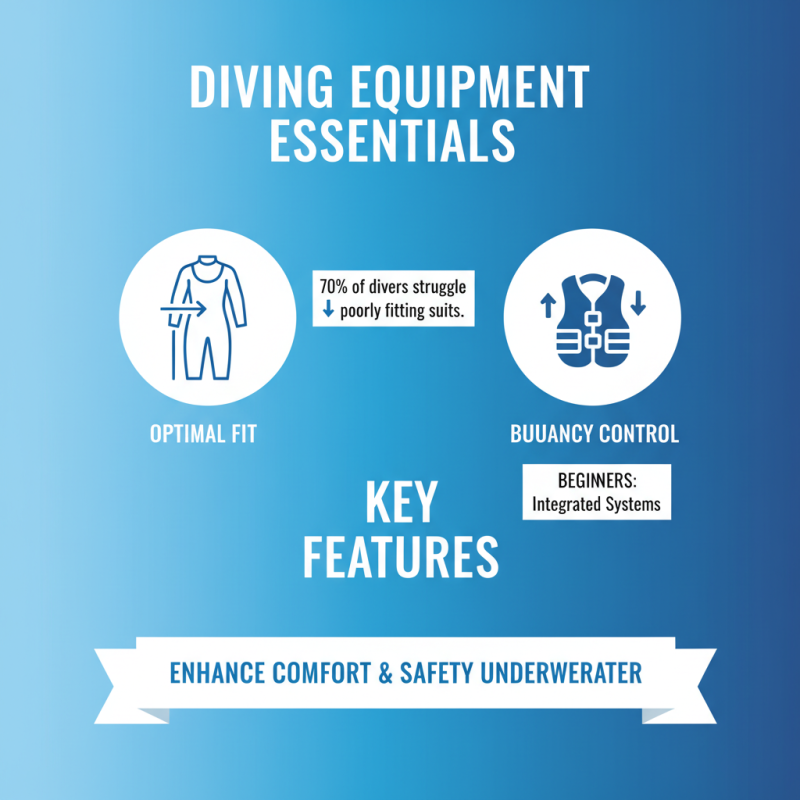
When choosing diving equipment, several key features are essential for both beginners and experts. One important aspect is fit. A well-fitting wetsuit can enhance comfort and warmth. Data shows that 70% of divers struggle with poorly fitting suits, leading to unnecessary discomfort. Another critical feature is buoyancy control devices. These help maintain optimal buoyancy underwater. Experts recommend that beginners use integrated systems for ease of use.
Quality materials play a vital role too. Gear made from durable materials lasts longer and ensures safety. Reports indicate that novice divers often overlook material quality, leading to frequent replacements. Safety features like quick-release mechanisms are also crucial. Divers should ensure their equipment can be easily and quickly adjusted in emergencies. Many divers admit they do not check these features often enough, which can be a risk.
Lastly, weight is significant in diving gear. Investigations show that overweight equipment can lead to exhaustion. Beginners may not realize this until they are underwater. Regularly assessing your gear's weight can enhance your experience. Remember, good equipment can make diving safer and more enjoyable. Consider these aspects carefully to improve your diving journey.