How to Choose the Right Diving Fins for Your Underwater Adventures?
When planning your next underwater adventure, choosing the right diving fins is essential. Diving fins can significantly impact your swimming efficiency and comfort. A good pair helps you glide through the water effortlessly, making your experience enjoyable.
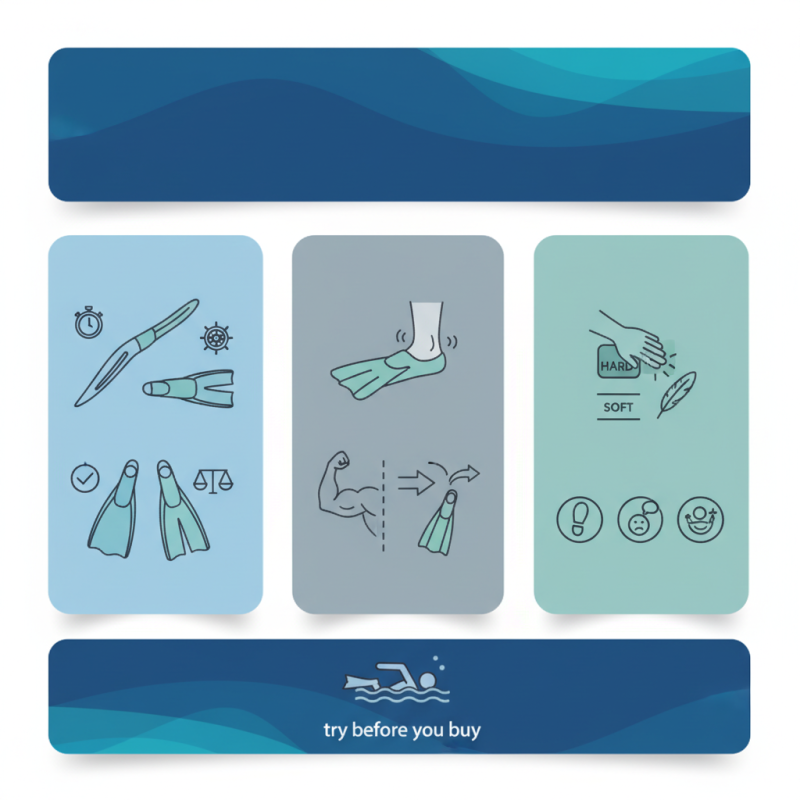
Different types of diving fins exist. Some are meant for speed, while others provide more control. It’s important to think about what you need. A fin too stiff may tire you out. A loose fin can make it hard to propel yourself. Finding balance is key.
Don’t overlook the fit and material. Hard materials can be durable, but soft ones can offer comfort. The right fin should feel snug, not too tight. Many divers have picked fins without testing. This often leads to regret after a few dives. Try before you buy, and remember that the perfect fin may still feel imperfect at times.
Understanding the Different Types of Diving Fins Available
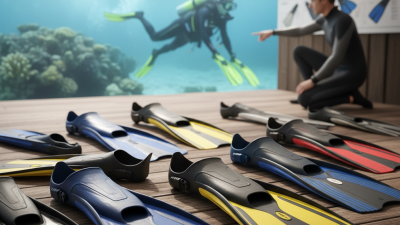
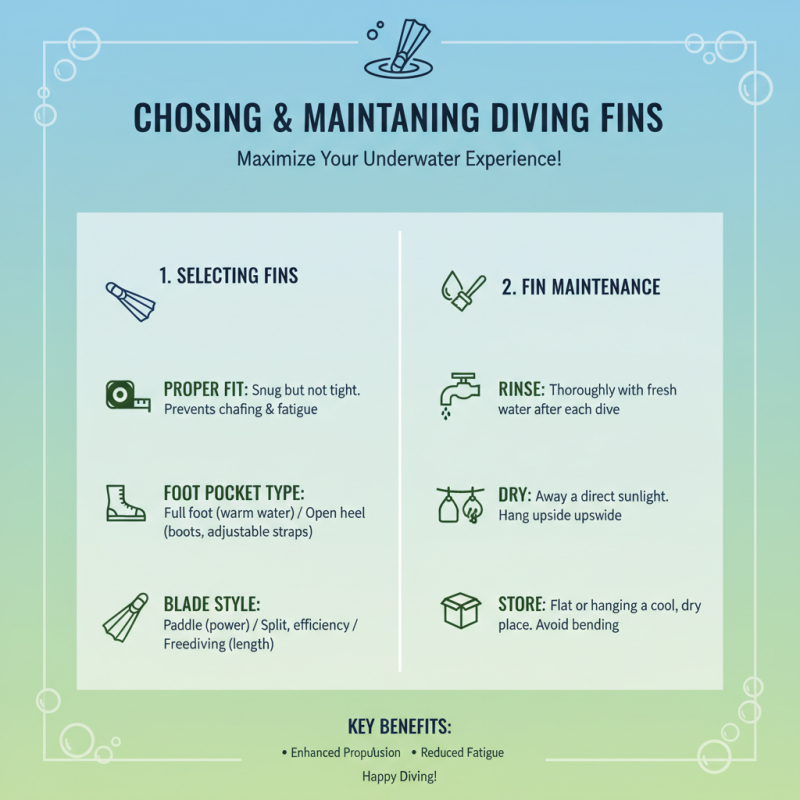
When diving, choosing the right fins can make a significant difference. There are several types available. Each type serves a distinct purpose. The most common categories include full foot fins and open heel fins. Full foot fins are ideal for warm water. They are easy to wear and offer better foot coverage. Open heel fins are suitable for colder conditions. They allow for thicker boots and provide adjustable comfort.
A study from the Diving Industry Association (DIA) revealed that the right fins can enhance propulsion efficiency by up to 30%. This means divers can swim longer and faster with less effort. A common mistake is opting for fashionable fins rather than functional ones. Some divers choose based on color and style, only to struggle underwater. Comfort is paramount, as improper fitting can lead to blisters and fatigue.
Consider blade shape and size when selecting fins. Longer blades generate more power but require more strength to use effectively. Conversely, shorter fins are easier to maneuver but may reduce speed. Each diver should reflect on their diving style. Remember, your fins should complement your skill level and the specific dives you plan to make.
Factors to Consider When Choosing Diving Fins
Choosing the right diving fins can enhance your underwater experience. Several factors play a crucial role in this decision.
Fit and comfort are essential. Fins should fit snugly without pinching. A good fit prevents blisters. Always try on fins with the wetsuit you plan to wear. Remember, comfort can change with time. A fin that feels great in the store might become uncomfortable after a dive.
The type of fin matters too. There are paddle fins and split fins. Paddle fins provide power but can be tiring. Split fins are more efficient but less powerful. Think about where you will dive. Open-water dives ask for different fins than cave diving. Always consider the conditions. Calm waters allow for more playful options.
Tips: If you have the chance, test different fins. A short swim can reveal much. Also, consider the material. Softer materials offer more flexibility. But harder ones provide power. Reflect on your diving style. It evolves with experience. Choose wisely to enhance your adventures.
How to Choose the Right Diving Fins for Your Underwater Adventures? - Factors to Consider When Choosing Diving Fins
| Factor |
Description |
Recommended For |
| Material |
Fins can be made of rubber, plastic, or composite materials which affect durability and flexibility. |
Beginners and casual divers. |
| Size |
Proper fit is essential; fins should be snug but not too tight. Availability in various sizes is crucial. |
All divers. |
| Blade Type |
Short blades offer speed and maneuverability, while long blades provide power and efficiency. |
Advanced divers and underwater photographers. |
| Strap Type |
Open-heeled fins with adjustable straps vs closed-heeled fins offer different comfort levels. |
Divers using wetsuits vs those with bare feet. |
| Weight |
Lighter fins are better for travel, while heavier fins can provide more power. |
Travel divers vs deep sea divers. |
Assessing Your Diving Style and Needs
Choosing the right diving fins is essential for an enjoyable underwater experience. Everyone has different diving styles and needs, so it’s vital to assess your unique situation before making a decision. Do you prefer leisurely exploration or fast-paced swimming? The answer will guide you in selecting fins that suit your activities.
If you enjoy snorkeling or relaxed diving, shorter fins might be ideal for you. They provide good maneuverability and less effort is required. On the other hand, if you are into scuba diving or dynamic underwater activities, longer and stiffer fins can enhance propulsion. But beware; they can tire you out quickly.
Consider your physical abilities, as well. If you have strong legs, you might prefer powerful fins. However, if you are still building strength, a lighter option could be better. Reflect on your experiences in the water. Did your fins outperform or disappoint you last time? Use those lessons to inform your choice, creating a better adventure for yourself.
Choosing the Right Diving Fins: A Comparative Analysis
This chart illustrates user preference scores for different types of diving fins based on various underwater diving styles. Each fin type is rated on a scale from 1 to 10, helping divers make informed choices according to their specific needs and preferences.
Material and Design Features of Diving Fins
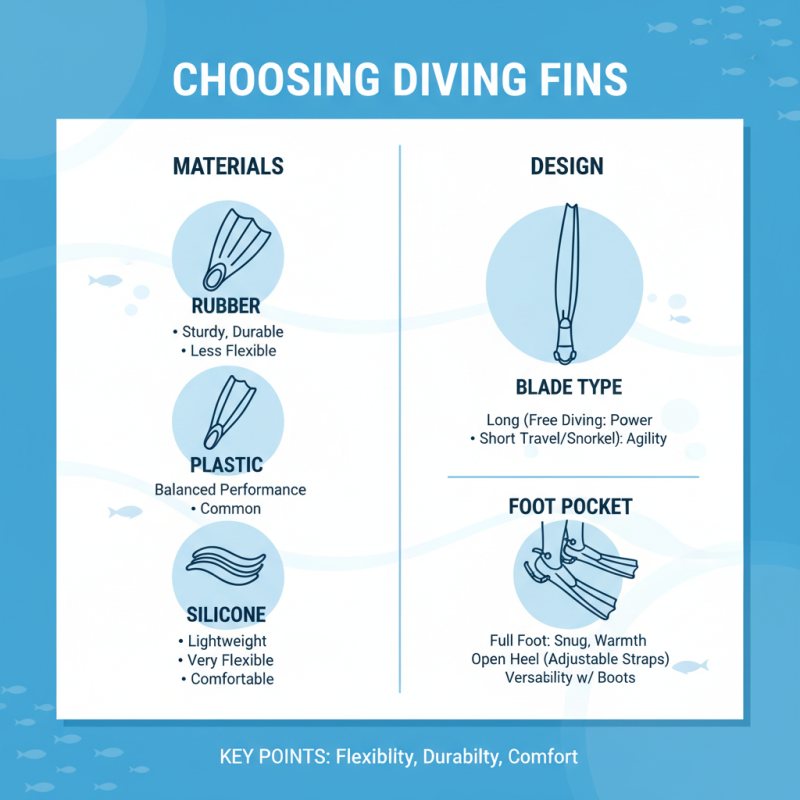
Choosing the right diving fins is essential for an enjoyable underwater experience. The material and design of fins play a crucial role in performance. Common materials include rubber, plastic, and silicone. Each offers different levels of flexibility and durability. For instance, rubber fins are sturdy but less flexible compared to silicone, which is lightweight.
Design features also matter. Fins come in various shapes: open-heeled or closed-heeled. Open-heeled fins allow for easy adjustments, accommodating thicker wetsuit boots. Closed-heeled designs are often lighter and better for tropical diving. The fin size affects propulsion. Short fins are ideal for quick movements, while longer ones provide better thrust for long swims.
Tips: Consider your diving style when selecting fins. For recreational diving, comfort is key. If you're deep diving, opt for fins that provide better thrust. Test the fins before purchasing. Can they handle your diving conditions? Reflect on what feels good; don’t just follow trends. Remember, the perfect fin for one person may not work for another.