How to Choose the Best Diving Gear for Your Adventures?
Choosing the right diving gear is crucial for your underwater adventures. The right equipment enhances safety and enjoyment while exploring marine environments. However, with so many options available, it can be challenging to make the best choice.
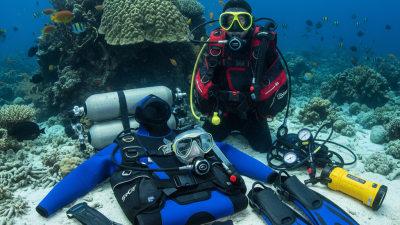
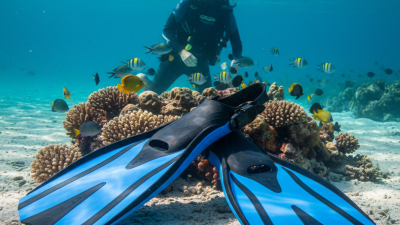
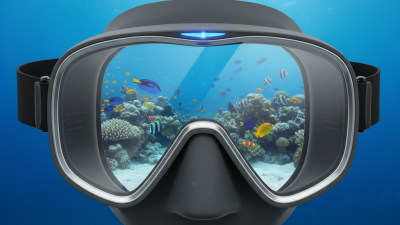
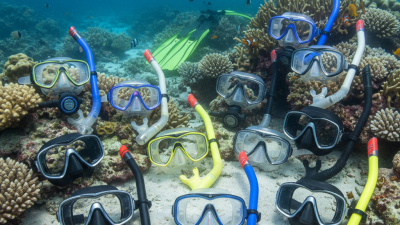
Diving gear comes in various types and styles, tailored to different conditions and skill levels. Consider factors like comfort, fit, and durability. A reliable wetsuit or drysuit, for instance, makes a significant difference in temperature control and flexibility. Proper masks and fins also enhance vision and mobility, enabling a smoother experience. Sometimes, divers overlook small details that can significantly impact their dive. For instance, improper fitting gear can cause discomfort, leading to a less enjoyable experience.
In conclusion, selecting the best diving gear requires thoughtful consideration. Reflect on what you need for your specific diving journeys. Learning from your experiences, and perhaps occasional missteps, will guide your future choices. Remember, the right diving gear not only boosts your confidence but also ensures a safe and enjoyable dive.
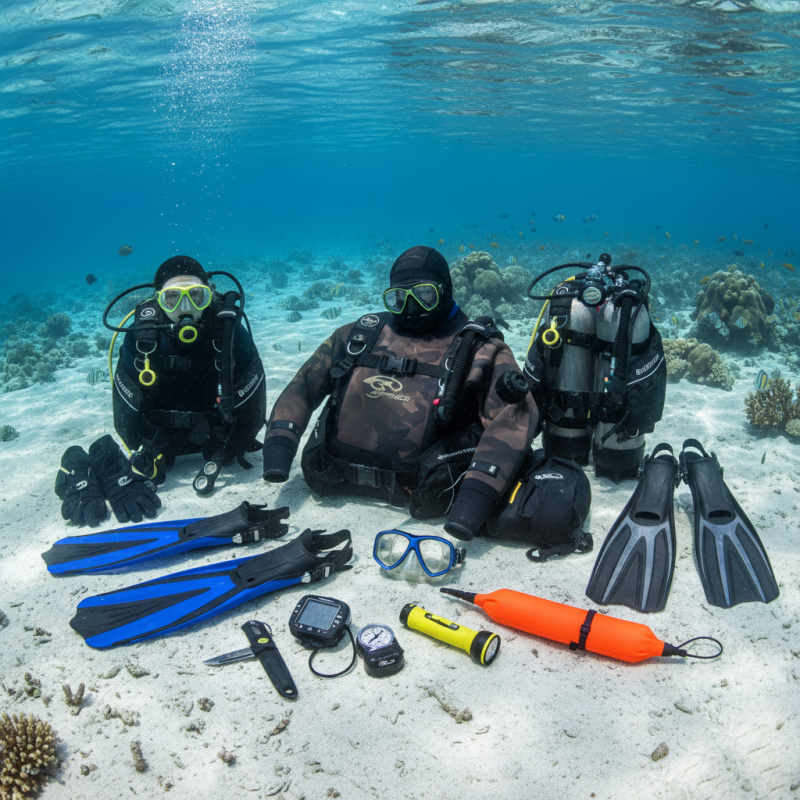
Understanding Different Types of Diving Gear and Their Uses
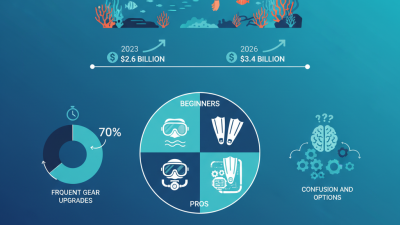
Choosing the right diving gear is essential for safe and enjoyable underwater exploration. Each type of diving gear serves a specific purpose, tailored to different diving environments and levels of experience. According to a report by the Professional Association of Diving Instructors (PADI), nearly 70% of divers find that having the appropriate gear significantly enhances their experience.
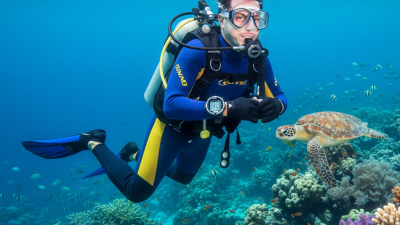
Wetsuits and drysuits are crucial for temperature control. Wetsuits trap water against the skin, keeping divers warm. Drysuits, on the other hand, provide insulation by creating a barrier against water. For colder conditions, a drysuit is often recommended. Select a suit that fits well to ensure comfort and warmth during dives.
Don’t overlook the importance of dive computers. They not only track depth and time but also calculate no-decompression limits. A study by the Divers Alert Network (DAN) found that divers using dive computers reported fewer incidents of decompression sickness. Ensure you familiarize yourself with your dive computer's functions before your trips.
Tip: Always try on gear before purchasing. Different fits can change your comfort level underwater. Regularly inspect your equipment for wear and tear, ensuring it meets safety standards. Diving gear is an investment in your adventures; take the time to choose wisely.
How to Choose the Best Diving Gear for Your Adventures?
Key Factors to Consider When Choosing Diving Equipment
Choosing the right diving gear is crucial for safe and enjoyable underwater experiences. Consider fit and comfort as primary factors. Gear that is too tight can restrict movement. Similarly, loose equipment may lead to complications underwater. Trying on various products before purchase helps identify what suits you best.
Next, think about the type of diving you will do. Recreational diving often requires less complex gear than technical diving. Ensure your equipment matches your level of experience. Take the time to research different types of gear available.
Some divers prefer lighter options for warmth and mobility. Others may focus on durability and performance. Don't overlook maintenance needs as well. Regular cleaning and inspection are vital for longevity. Some pieces might need more care than others. Factor in this time when making your decision.
Small inconveniences can add up and may affect your experience. Always be prepared for unexpected situations underwater.
Essential Accessories to Complement Your Diving Gear
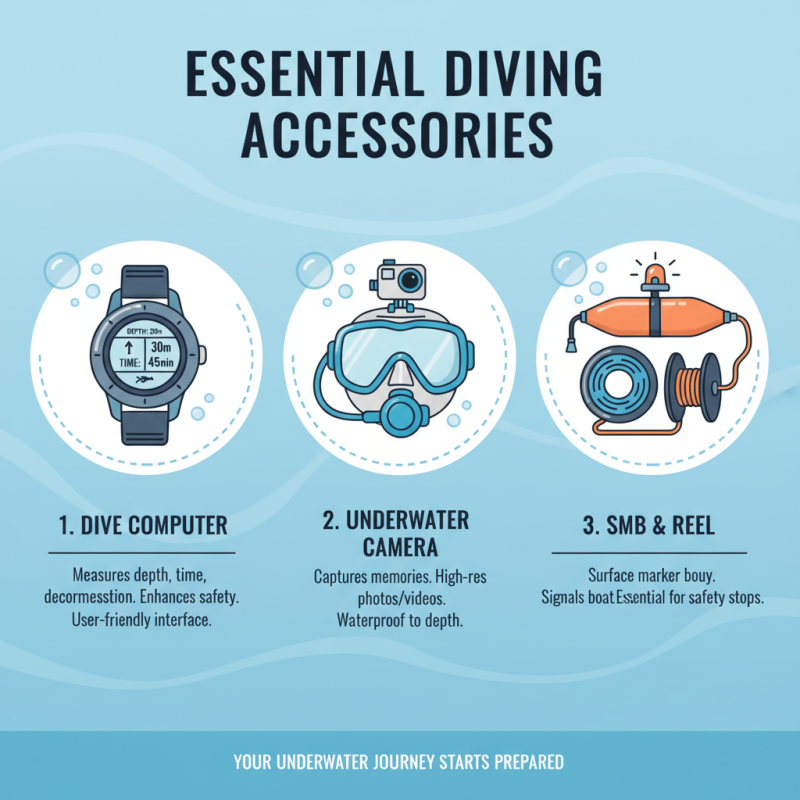
When diving into the underwater world, the right gear is essential. But accessories often make the biggest difference in your experience. A dive computer is a must-have. It measures depth, time, and decompression status. This small device can increase your safety during each dive. Ensure it has a user-friendly interface for easy navigation.
Another valuable accessory is a wetsuit. It helps you maintain body temperature. A well-fitting wetsuit should provide warmth without restricting movement. Think about dive gloves too; they protect your hands from sharp objects and enhance grip. Consider adding a dive knife for emergencies. Its practicality is often overlooked, but having one can be a lifeline.
Don’t forget about surface markers. They enhance visibility for boats and guides. A lightweight, inflatable buoy can be a game changer. Lastly, think through your gear storage. Proper organization not only protects your equipment but also helps you during dives. Reflect on your experience often. Ask yourself what accessories improved your dives and which ones didn’t meet your needs. This approach fosters continual improvement in your diving adventures.
Tips for Ensuring Safety and Comfort While Diving
When diving, safety and comfort are paramount. Choosing the right gear can make a significant difference in your underwater experience. Always prioritize a snug fit for your wetsuit or drysuit. A suit that is too loose can lead to water entering, making you cold. Conversely, if it’s too tight, it may restrict movement.
Consider your location. Water temperature can vary greatly. Layering can keep you warm in colder waters. A hood or gloves may be necessary for chillier climates. Always check gear compatibility. Ensure your mask fits well to prevent water leaks and allow clear visibility.
When it comes to weight distribution, balance is key. A poorly weighted scuba tank can affect your buoyancy control. Experiment with different weights during practice dives. Don't hesitate to ask for expert advice. Experienced divers can share insights about gear usage. Reflect on what feels comfortable for you and adjust accordingly. Pay attention to potential discomfort during dives too; it’s important to reassess your gear if it isn't working as expected.
Maintenance and Care for Your Diving Equipment
Proper maintenance of your diving gear is crucial for safety and performance. Regularly inspect equipment for wear and tear. Look for frayed straps, cracks in masks, or leaks in wetsuits. If you notice any issues, address them immediately. Neglecting small problems can lead to bigger, dangerous failures underwater.
Cleaning your gear after each dive is essential. Rinse everything with fresh water to remove salt, sand, and debris. Pay attention to intricate areas like buckles and valves. A soft brush can help remove stubborn particles. Store your gear in a cool, dry place away from direct sunlight to prevent degradation.
Document your maintenance routine. Keep notes on inspections, repairs, and cleaning schedules. This practice fosters accountability. It can be easy to overlook maintenance when you're eager to dive. Consistency makes a difference in how long your equipment lasts. Be mindful of how your gear performs. Trust your instincts—if something feels off, don’t dive.