How to Choose the Best Full Face Scuba Mask for Your Diving Needs?
Choosing the right Full Face Scuba Mask can greatly enhance your diving experience. According to diving expert Dr. Lisa Harper, “A mask that fits well and offers a clear view is essential for safety underwater.” This underscores the importance of selection in the world of diving gear.
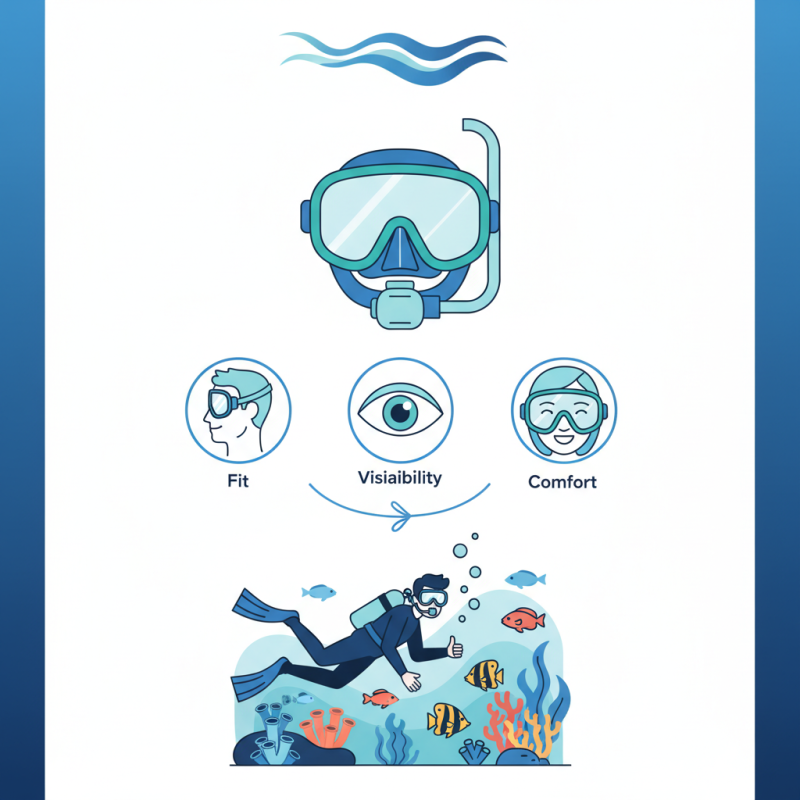
When searching for a Full Face Scuba Mask, consider various factors. The fit of the mask is vital; it should create a good seal without being overly tight. Many divers overlook how important visibility is. A wide field of view can transform your underwater journey.
Another aspect to think about is comfort. If the mask is uncomfortable, it can ruin dives. Don't rush the decision. Spend time trying different models. Each diver has unique needs. The best choice may not be the most expensive. Reflection on past experiences can guide you. A thoughtful choice leads to a better dive.
Understanding Full Face Scuba Masks and Their Benefits
Full face scuba masks provide a unique experience for divers. They cover the entire face, allowing for a wide field of vision. This design enhances your underwater experience. You can breathe easily through your nose or mouth, reducing anxiety when diving. It feels more natural, especially for beginners. However, some users report fogging issues and need to ensure proper fitting.
The benefits are clear. Full face masks improve comfort and safety. They often include communication systems, allowing divers to speak with each other. This is crucial in training or when exploring caves. The masks can provide better insulation against cold water. However, they might not always work well with standard regulators. Some divers find them heavy, making them less desirable for long dives. Consider your needs carefully before making a decision.
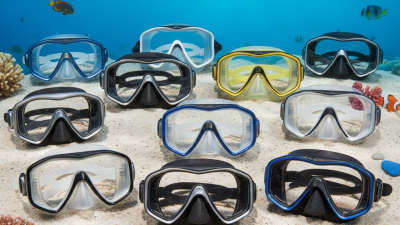
Comparison of Full Face Scuba Mask Features
Key Features to Look for in a Full Face Scuba Mask
When selecting a full face scuba mask, several key features should be prioritized. Comfort is essential; ensure the mask fits snugly without causing discomfort. A good seal prevents water leakage, which can be a major distraction while diving. According to a recent survey, about 30% of divers reported mask-related issues during their dives. This highlights the importance of testing the fit before the actual dive.
Another critical aspect is visibility. Look for masks with wide lenses. A broader field of view enhances the diving experience. Studies show that a mask with a larger viewing area can improve situational awareness underwater. Additionally, consider the type of material used. Silicone masks tend to be more durable and resistant to damage. However, not all silicone is created equal; some cheaper options may degrade faster.
Ease of use is also vital, especially for beginners. Masks with integrated communication systems can add a new dimension to diving. However, these features can complicate selection. Regular divers might prefer simplicity without sacrificing functionality. Remember, the perfect mask can vary greatly based on personal preferences and specific diving needs. Prioritize what matters most for your dive—for instance, comfort over advanced features, or vice versa.
Determining the Right Fit for Your Full Face Scuba Mask
Choosing the right fit for your full face scuba mask is essential. A well-fitted mask not only enhances comfort but also improves safety underwater. When selecting a mask, measure the width of your face at several key points. Pay attention to the distance between your eyes and your forehead. These measurements will help identify the size that will provide a secure seal.
Test the mask by placing it on your face without using the strap. Inhale gently through your nose. A properly fitting mask should create suction. If it slips off, it’s too large. If it pinches, it’s too small. These little adjustments can make a big difference during your dives. Opt for a mask with adjustable features, as they allow for personal customization. Achieving the perfect fit may take time and patience.
Some masks come with additional padding. While this can enhance comfort, it may interfere with the seal. It’s crucial to find a balance. Reflect on how the mask feels during movement. A snug fit should not feel restrictive. If you find discomfort, consider re-evaluating your choice. Finding the right fit is a personal journey that can enhance your diving experience significantly.
Material Considerations for Durability and Comfort
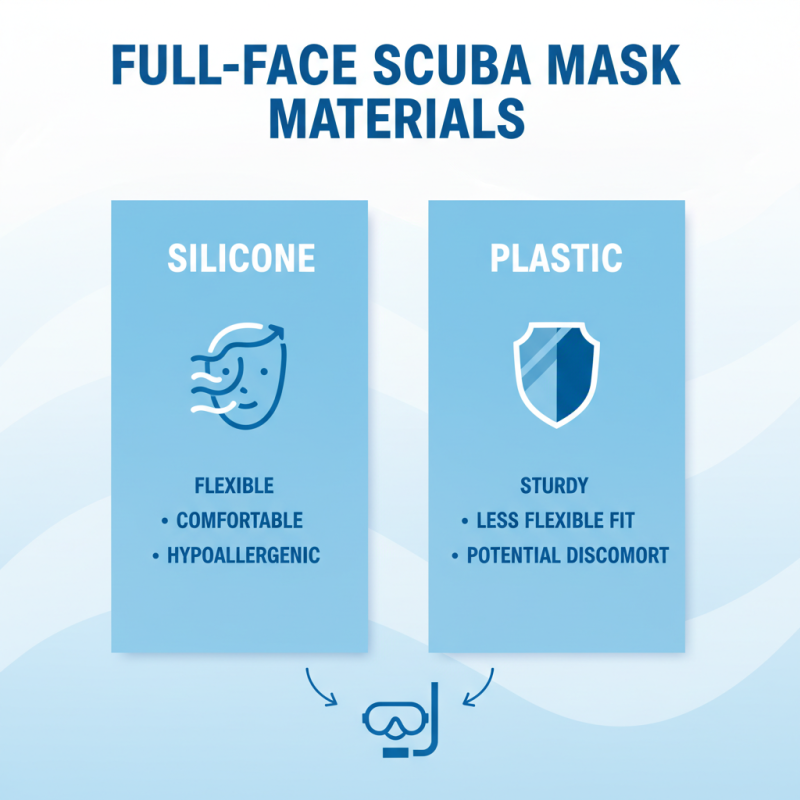
Choosing the right material for a full face scuba mask is crucial. The most common materials include silicone and plastic. Silicone offers excellent flexibility and comfort. It's also hypoallergenic, making it suitable for most divers. Plastic, on the other hand, can offer sturdiness but may not fit as comfortably.
A study by Dive Equipment Manufacturers Association (DEMA) highlighted that over 30% of divers experience discomfort due to poorly chosen materials. This discomfort often leads to a negative diving experience. A mask with a soft silicone skirt can provide a better seal and comfort. However, if the plastic is too rigid, it may cause pressure points. Remember, fit and comfort can vary greatly.
Durability is another significant factor. Masks made from high-quality materials tend to last longer. According to industry reports, masks that use advanced polycarbonate lenses resist scratches and impacts better than their standard counterparts. Choosing the right materials can prevent issues during dives. It’s also important to check for user reviews. These can reveal common comfort complaints that may not be apparent in the specifications. This approach helps divers make informed decisions.
Choosing the Best Full Face Scuba Mask for Specific Diving Conditions
When selecting a full face scuba mask, it's essential to consider diving conditions. Different environments require unique features. For instance, if diving in cold waters, a mask with a good seal is crucial. A reliable seal can prevent the mask from fogging up and protect against water ingress. According to industry reports, over 40% of divers encounter problems with their chosen masks during cold dives.
Visibility is another critical factor. Clear lenses can enhance your underwater experience. If you're diving in murky waters, a mask with a wider field of view can help. Research shows that divers with better visibility tend to feel more confident and enjoy their dives more.
Tips for choosing the right mask:
1. Test the fit before purchasing. Comfort matters.
2. Consider your diving frequency. Frequent divers may need a higher quality mask.
3. Read user reviews. Real experiences can guide you.
Remember, choosing the right mask is about personal needs. Reflect on your diving style. It could influence your enjoyment and safety.