How to Choose the Best Scuba Mask for Your Underwater Adventures?
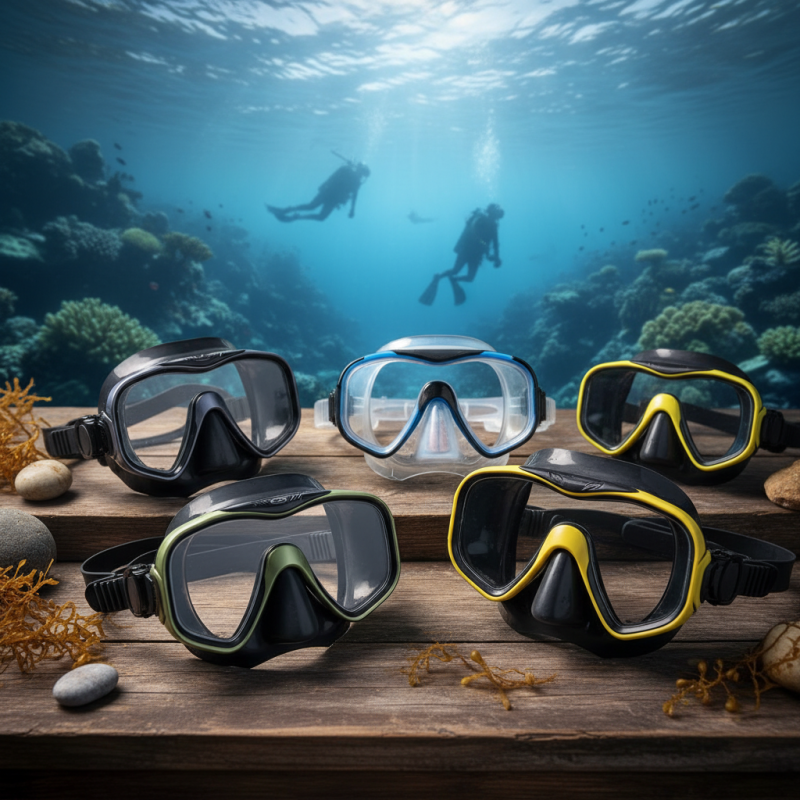
Choosing the right scuba mask is essential for any underwater adventure. A good mask enhances your visibility and comfort while diving. It serves as an essential piece of gear for both beginners and experienced divers.
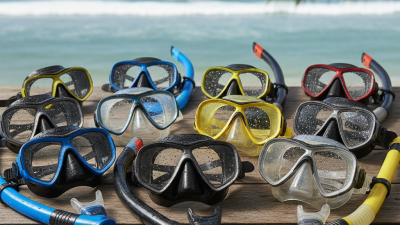
When selecting a scuba mask, consider fit, lens type, and materials. The mask should create a good seal around your face. It is crucial to try various options. A mask that leaks can ruin your experience. Different lens types also impact your view. Some masks offer a single lens for a wider field of vision. Others provide dual lenses for greater versatility.
Don't overlook the strap and frame construction. Comfort should be a priority. An uncomfortable mask can cause distractions. As you explore, reflect on how each choice affects your dive. Each detail can make or break your experience.
Understanding Your Face Shape for a Proper Scuba Mask Fit
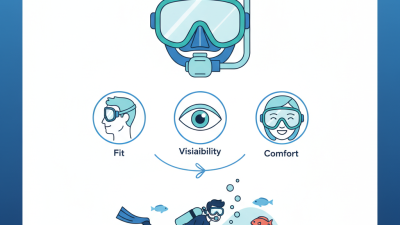
Choosing the right scuba mask starts with understanding your face shape. A proper fit ensures comfort and prevents water leaks. To determine your face shape, look at your jawline, forehead width, and cheekbone structure. Common shapes include oval, square, and round. Each shape benefits from different mask styles.
Tips: A mask with a soft silicone skirt can conform better to various face contours. For a round face, try masks with a wider frame. Square faces often benefit from masks that offer a more rounded shape. Don't hesitate to try several masks to find your best fit.
Don’t forget to consider the volume of the mask. Low-volume masks are less likely to cause issues with equalization. High-volume masks can create discomfort for some divers. Remember, a snug fit can feel tight but should not be painful. Testing the mask on land can help you gauge its suitability before entering the water.
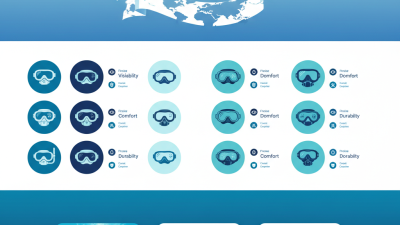
Scuba Mask Fit by Face Shape
Key Features to Look for in a High-Quality Scuba Mask
When selecting a scuba mask, comfort is crucial. A well-fitting mask will keep water out, allowing you to focus on the underwater world. Look for masks with a silicone skirt, as they provide a better seal. The right size will ensure comfort during long dives.
Lens quality is another important feature. Tempered glass lenses are more durable and scratch-resistant. Anti-fog coatings can significantly enhance visibility, especially in deeper waters. If you wear glasses, consider getting a mask that can accommodate prescription lenses. This small detail can improve your experience greatly.
Visibility plays a vital role in your dive. A low-volume mask allows for greater field of vision and less buoyancy. However, some divers prefer high-volume masks for certain activities. Choosing between these options requires personal reflection. Try on different models to see what feels best. It's essential not to rush this decision, as it directly impacts your adventures.
How to Choose the Best Scuba Mask for Your Underwater Adventures?
| Feature |
Description |
Importance |
| Lens Material |
Tempered glass offers better visibility and is more durable than plastic. |
High |
| Seal Fit |
A properly fitting skirt prevents water leakage, ensuring comfort and visibility. |
Critical |
| Volume |
Low volume masks are easier to clear and are great for freediving. |
Moderate |
| Lens Type |
Single vs. double lens; double lenses provide better airflow and a wider field of view. |
High |
| Strap System |
Quick-adjusting straps make it easier to put on and secure the mask. |
Moderate |
| Anti-fog Coating |
Prevents lens fogging during dives, improving visibility. |
High |
Materials and Design Choices for Enhanced Underwater Comfort
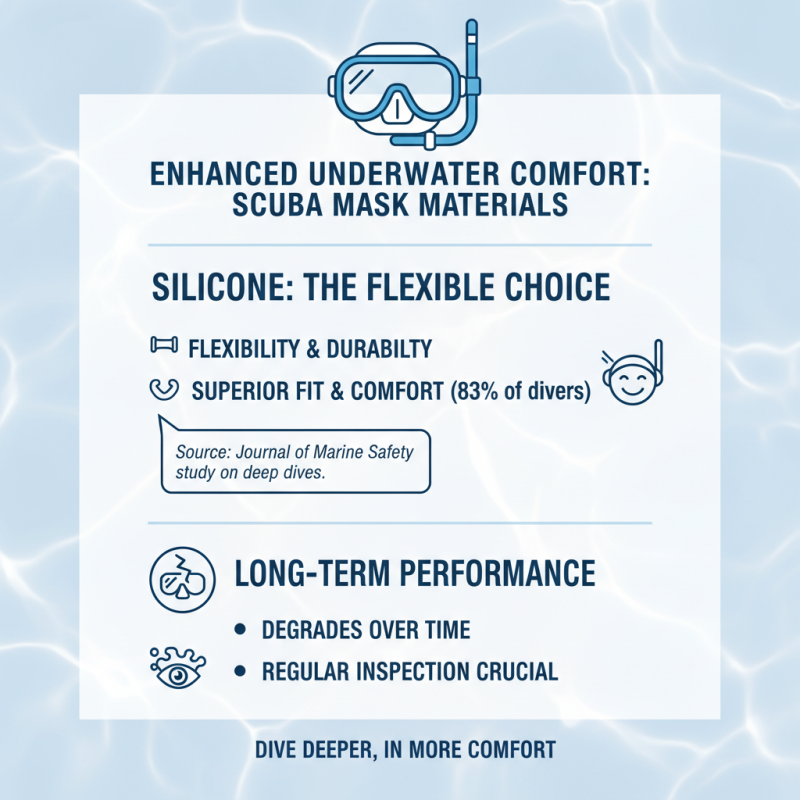
Choosing the right materials for a scuba mask can significantly enhance underwater comfort. Silicone is a popular choice due to its flexibility and durability. A study in the Journal of Marine Safety found that silicone masks provided better fit and comfort for 83% of divers during deep dives. However, over time, silicone can degrade, leading to less ideal performance. Divers should regularly inspect their gear.
The design of a scuba mask also plays a crucial role. It should have a low internal volume, allowing for easier clearing and buoyancy control. A report from the Scuba Diving Sciences Institute indicates that masks with a low profile can reduce fatigue. Next, the lens material matters. Tempered glass offers superior clarity and resistance to scratching, essential for underwater visibility. However, divers might struggle with fogging, which requires careful maintenance.
Comfort extends beyond materials and design. A good fit is vital, yet not all masks suit every face type. It’s essential to try different shapes, even if they look appealing. While some divers report discomfort with certain designs, many overlook the fit due to excitement. Testing masks under real conditions is crucial for making an informed choice.
Choosing the Right Lenses: Clear vs. Tinted for Visibility
Choosing the right lenses for your scuba mask can significantly impact your underwater experience. Clear lenses offer maximum visibility. They allow natural light to penetrate. This is ideal for colorful coral reefs and marine life. You can see details vividly. However, they can create glare on sunny days. This might make it hard to spot certain creatures.
On the other hand, tinted lenses help reduce glare. They are perfect for sun-drenched waters. Tinted masks can improve comfort for long dives. However, the color may distort colors slightly. It can make underwater visibility tricky in low light.
Consider your dive environment. If you explore vibrant reefs, clear lenses may be best. If you're diving in bright conditions, tinted ones could enhance your experience. Not everyone feels comfortable with all lens types. It's important to test before settling on a choice. Evaluate how each option affects your vision and overall comfort. Your ideal mask should enhance your diving adventures, not hinder them.
Budget Considerations: Finding Quality Masks at Affordable Prices
When selecting a scuba mask on a budget, quality and comfort are crucial. Many beginners overlook these factors. A report by the Diving Equipment & Marketing Association (DEMA) states that 75% of divers prioritize comfort over price. Investing in a mask that fits well can prevent discomfort and allow for longer dives.
Affordable masks range from $30 to $100, but caution is essential. Poorly made masks may leak and cause frustration. A study shows that divers using budget masks from reputable sources reported a 40% higher satisfaction rate than those buying cheaper, generic options. Look for masks with tempered glass and silicone skirts to ensure durability and comfort.
Consider trying masks on before purchasing. A mask that feels good in the store may not perform well underwater. Fit can change with water pressure. Some divers have faced issues with buying just based on price, only to end up dissatisfied.
Reviews from experienced divers can help guide your choice, but personal experience is invaluable.