How to Choose the Right Diving Equipment for Your Underwater Adventures?
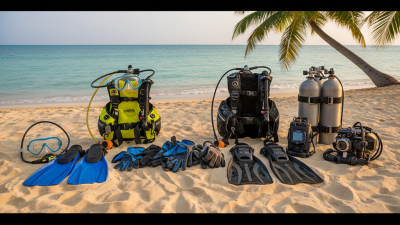
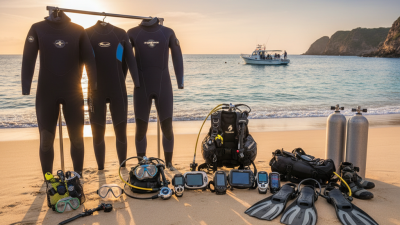
Choosing the right diving equipment is crucial for any underwater adventure. With so many options available, it can be overwhelming. You want to feel safe and comfortable while exploring the deep blue sea. Diving equipment includes masks, fins, wetsuits, and more. Each piece plays a vital role in your experience.
When selecting diving equipment, consider your skill level and the type of diving you will do. For instance, beginners may prefer more basic gear. However, seasoned divers might seek advanced equipment. It’s essential to look for fit and comfort. An ill-fitting wetsuit can ruin an otherwise enjoyable dive.
Remember to research different brands and seek recommendations. The best equipment might not be the most expensive. Sometimes, affordable options perform just as well. Reflect on what works for you. Diving should be enjoyable, not stressful. The right choices can enhance your underwater explorations significantly.
Understanding Basic Diving Equipment: An Overview of Essentials
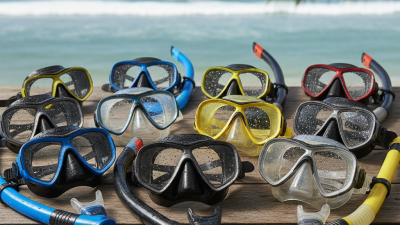
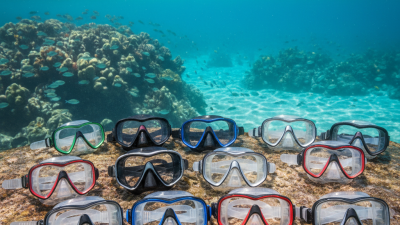
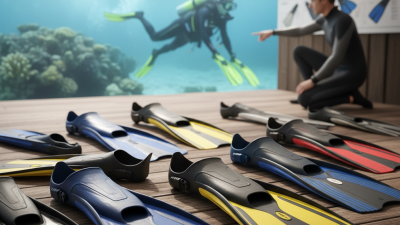
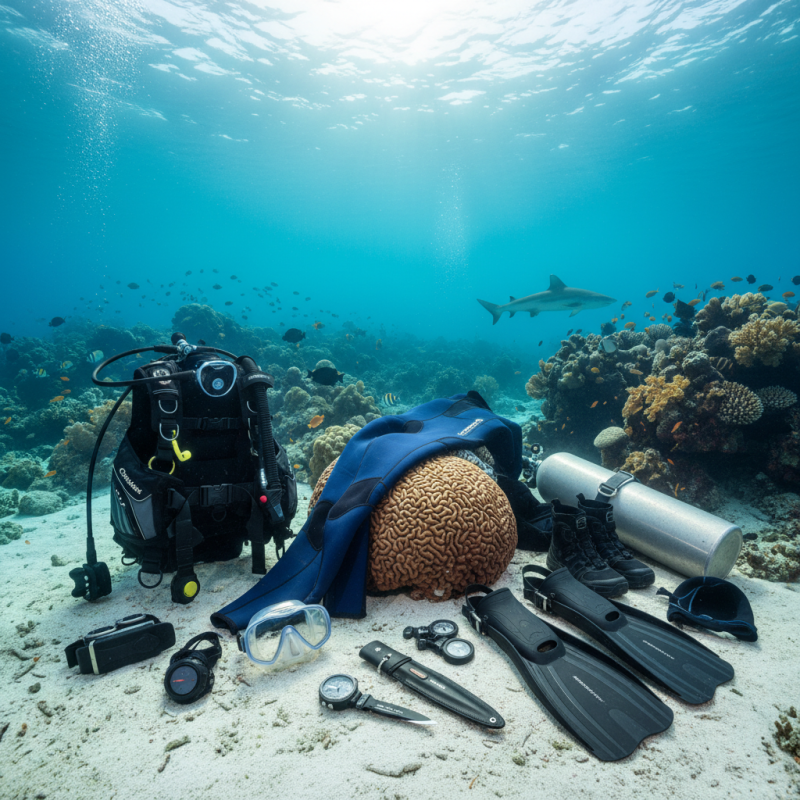
Choosing the right diving equipment is crucial for a safe underwater adventure. When starting out, it’s essential to understand the basic gear. Masks, fins, and snorkels are necessary for visibility and movement. A well-fitting mask ensures you see clearly. Fins aid in propulsion, while snorkels allow you to breathe without coming up for air.
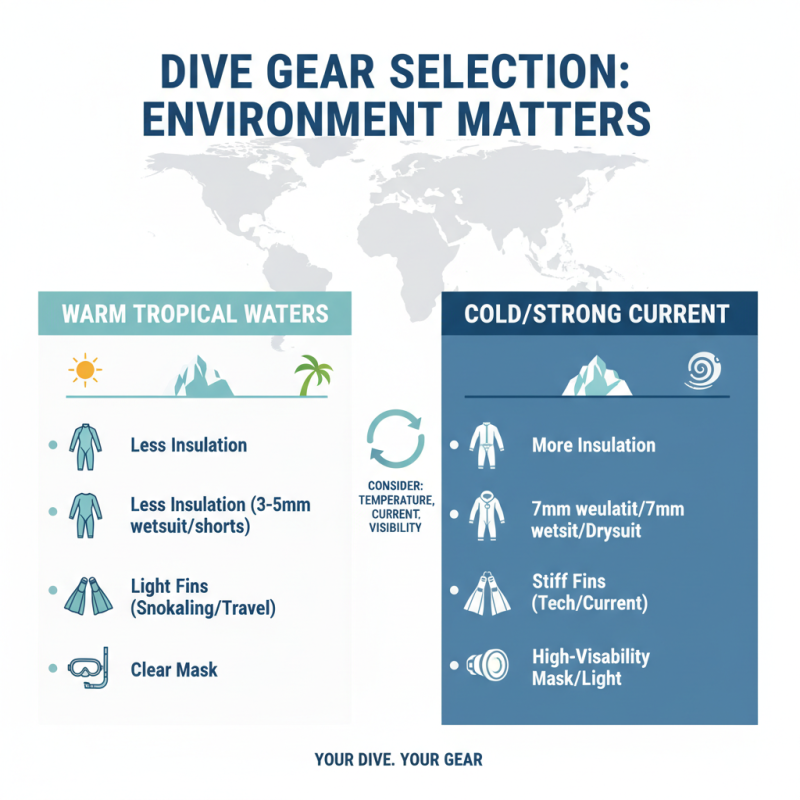
Diving suits provide warmth and protection in colder waters. A wetsuit is ideal for temperate climates. In colder environments, a dry suit is a better option. Each suit has its unique features that provide varying levels of insulation. Proper sizing is key; an ill-fitting suit can be uncomfortable and ineffective. Consider your diving location and choose accordingly.
Don’t overlook the importance of buoyancy control devices. They help you maintain your depth and reduce effort. Many divers struggle with their buoyancy skills. Practice is essential to improve your control and comfort underwater. Take your time to explore gear choices. Reflect on your experiences to ensure you’re equipped for every adventure.
Identifying Your Skill Level: Choosing Equipment for Beginners vs. Experts
Choosing diving equipment depends on your skill level. For beginners, comfort and ease of use are paramount. A snug wetsuit keeps you warm while being flexible. A mask with a wide field of vision helps you see clearly underwater. Fins should be light but provide excellent propulsion. It's crucial to feel confident while learning. You don’t want to struggle with complicated gear.
Experts often seek performance over simplicity. They may choose specialized wetsuits for specific conditions. Advanced masks could have features like anti-fog or panoramic views. Technical divers need tools that enhance their exploration. These might include integrated dive computers or multi-level buoyancy control devices. The choice can be daunting. Reflection on your needs is key. Learning new skills can also change your equipment requirements. You may find that what worked for you last year no longer fits your adventure.
Balancing Safety and Comfort: Importance of Properly Fitting Gear
Selecting the right diving equipment is critical for underwater excursions. Properly fitting gear enhances safety and comfort. A study by the Diving Equipment and Marketing Association (DEMA) found that 70% of divers reported discomfort due to poorly fitting gear. This discomfort can distract divers, affecting their focus on safety.
When trying on equipment, ensure that it fits snugly but not too tight. Masks should create a seal without pinching your face. Wetsuits need to allow for movement while keeping you warm. The National Oceanic and Atmospheric Administration (NOAA) states that inadequate fitting suits can lead to hypothermia in cold waters. Many divers do not realize the direct link between gear fit and thermal regulation.
Also, consider physical attributes like body shape and weight. An ill-fitting life jacket can hinder buoyancy control. This can lead to panic or disorientation. Unfortunately, many divers overlook this factor. Reflecting on your own equipment choices can improve experiences underwater.
Choosing the Right Diving Equipment for Underwater Adventures