Why Choosing the Right Diving Fins Can Make or Break Your Underwater Experience
Choosing the right diving fins can truly enhance or hinder your underwater adventure. According to Dr. Sarah Thompson, a renowned marine biologist and diving expert, "The right fins can transform your experience in the water, allowing you to glide effortlessly or navigate challenging currents." This sentiment highlights the importance of selecting fins that not only fit well but also complement your diving style and the environment in which you’re diving.
When it comes to diving fins, a myriad of options is available, each designed for specific diving conditions and personal preferences. The right pair can make diving less strenuous and more enjoyable, whereas unsuitable fins may lead to fatigue and frustration. Various factors, such as fin shape, material, and strap design, all play crucial roles in how efficiently a diver can move through the water.
Ultimately, understanding the significance of diving fins is essential for divers of all levels. Whether you are a seasoned professional or a novice, making an informed choice about your fins can substantially influence your underwater experience, allowing you to fully appreciate the beauty and wonder that lies beneath the surface.
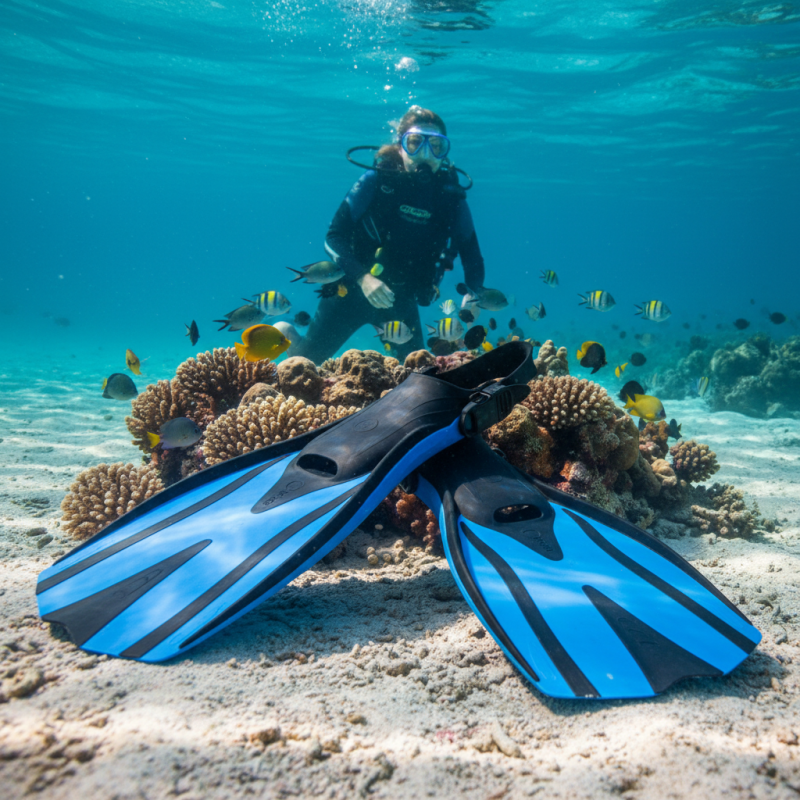
Choosing the Right Dive Fins: Understanding Different Types and Their Uses
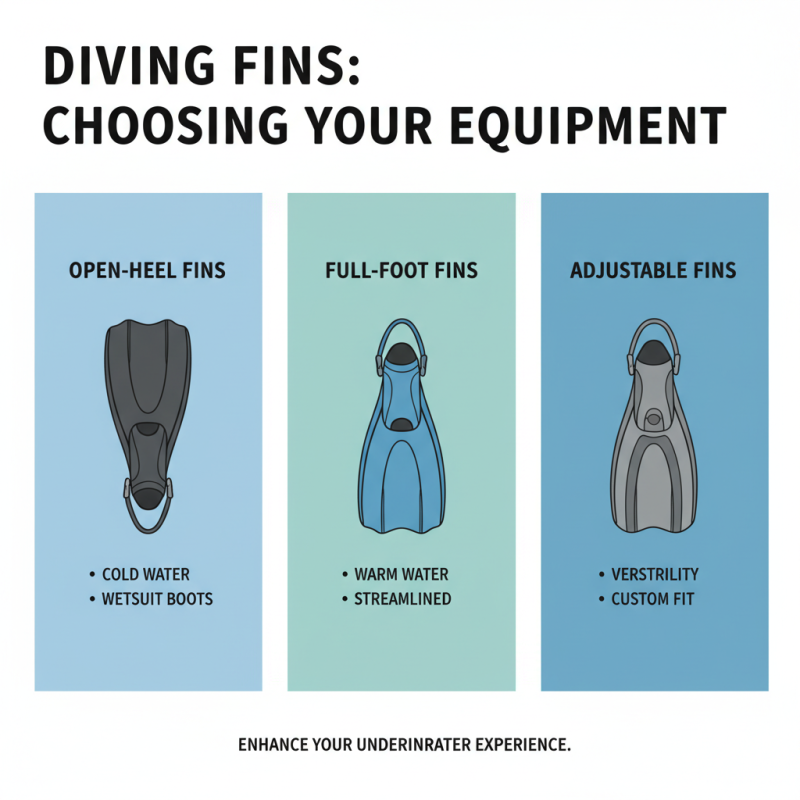
When it comes to scuba diving or snorkeling, the choice of diving fins can significantly influence your overall underwater experience. Understanding the different types of fins available allows divers to select the best option tailored to their unique diving style and conditions. Generally, diving fins can be categorized into three main types: open-heel fins, full-foot fins, and adjustable fins. Open-heel fins are ideal for cold-water diving, as they can be worn over thick wetsuit boots, while full-foot fins suit warm-water conditions for a more streamlined profile. Adjustable fins provide versatility for divers who want to customize their fit.
Tips: When selecting fins, consider your dive environment. For instance, if you'll be diving in warmer waters, opt for full-foot fins, which offer enhanced comfort and efficiency. Conversely, for colder conditions, choose open-heel fins paired with suitable boots. Additionally, pay attention to the fin's stiffness; stiffer fins generate more propulsion but require more effort to use, making softer fins more suitable for beginners or recreational divers.
Furthermore, the length of the fins also plays a crucial role. Longer fins give more thrust but can be harder to maneuver in tight spaces, while shorter fins allow for easier control and are ideal for diving in areas with lots of obstacles. Ultimately, selecting the right type of diving fin based on these factors can enhance your buoyancy control and energy conservation, leading to a more enjoyable dive.
The Science of Propulsion: How Fins Affect Underwater Movement Efficiency
Diving fins play a crucial role in underwater movement efficiency, directly impacting a diver's experience and performance. According to a study published in the Journal of Marine Science, divers equipped with the right fins can increase their propulsion efficiency by up to 30%. This efficiency is primarily determined by the fin design, material, and size, all of which contribute to the energy exerted with each kick. For instance, wider fins may provide more surface area for propulsion, but they can also create more drag if not used correctly, leading to increased energy expenditure.
When selecting fins, it's essential to consider both the type of diving and personal comfort. A report from the Diving Equipment Manufacturers Association (DEMA) highlights that divers who wear fins that fit well and offer the right stiffness are less likely to experience fatigue and can maintain a steadier pace underwater. The angle and shape of a fin can also significantly influence thrust; a fin with a slight reflex can improve the transfer of energy from the kick into forward movement.
Tips: When shopping for fins, try them on with your diving booties to ensure a snug fit. Experiment with different styles and stiffness levels in a pool before your dive to find the most comfortable option that suits your style of diving. Additionally, consider your diving environment; long fins may excel in open water, while shorter, more maneuverable fins are preferable for cave or wreck diving.
Factors Influencing Fin Selection: Size, Material, and Design Considerations
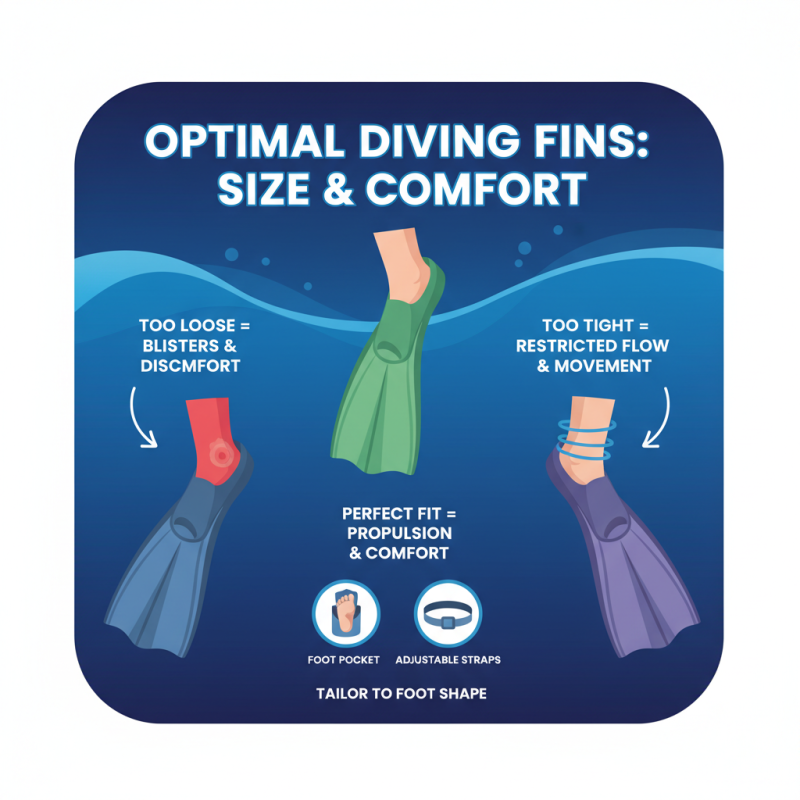
Choosing the right diving fins is crucial for enhancing your underwater experience, and several factors play a pivotal role in this selection. Size is one of the most critical aspects to consider; fins that fit too loosely can cause blisters and discomfort, while those that are too tight may restrict blood flow and movement. It’s essential to find a pair that allows for comfortable wear while ensuring effective propulsion through the water. Additionally, specific size features, such as foot pockets and straps, should be tailored to the diver’s foot shape to maximize comfort and efficiency.
Material is another important consideration in fin selection. Fins can be made from various materials, each offering unique benefits. For instance, stiffer materials may provide more power in each kick, perfect for strong swimmers looking for speed, while softer materials can offer more flexibility for casual divers who prioritize comfort over speed. Lastly, the design of the fins can impact their maneuverability and performance. Open-heel fins are often preferred for colder water due to their compatibility with boots, while full-foot fins are typically favored in warmer climates for streamlined performance. Understanding these factors will help divers choose fins that best suit their diving style and environment.
Impact of Fins on Diving Fatigue: Research on Physical Exertion Levels
The selection of diving fins plays a crucial role in managing physical exertion levels during underwater exploration. Research highlights that fins that are well-suited to an individual's kicking style and physical capability can significantly reduce fatigue. When divers use fins that match their strength and technique, they can swim more efficiently, minimizing energy expenditure and enhancing their overall experience.
Conversely, ill-fitting or improperly designed fins can lead to excessive leg strain and increased physical exertion. Divers may find themselves working harder to maintain propulsion, which can contribute to quicker onset of fatigue. This is particularly important during extended dives, where energy conservation is essential for safety and enjoyment. Studies show that divers equipped with the right fins are able to enjoy longer and more comfortable dives, ultimately leading to a more satisfying underwater experience. The impact of fin choice on diving fatigue is a pivotal consideration for both novice and experienced divers alike.
Why Choosing the Right Diving Fins Can Make or Break Your Underwater Experience - Impact of Fins on Diving Fatigue
| Fin Type |
Material |
Length (cm) |
Weight (g) |
Diving Fatigue Rating (1-10) |
| Open Heel Fins |
Plastic |
75 |
1200 |
6 |
| Full Foot Fins |
Silicone |
70 |
950 |
5 |
| Split Fins |
Rubber |
80 |
1100 |
4 |
| Composite Fins |
Carbon Fiber |
85 |
850 |
3 |
Expert Insights: Recommendations from Professional Divers for Optimal Fins
When it comes to underwater exploration, the right diving fins play a crucial role in determining the quality of your experience. Professional divers emphasize that fins should fit well, be comfortable, and allow for powerful propulsion through water. A poor choice in fins can lead to fatigue and decreased maneuverability, making every dive less enjoyable. To avoid these pitfalls, divers recommend trying on various styles and materials before making a decision. Soft fins may provide comfort, but stiffer options can offer greater speed and efficiency for those who are more experienced.
In addition to fit and comfort, divers advise paying attention to the length and shape of the fins. Longer fins create more thrust but require more effort to kick, which can be taxing over extended periods. Conversely, shorter fins are easier to manage but might sacrifice some propulsion. Ultimately, the best fins are those that align with an individual diver’s skill level, diving style, and the specific conditions of the dive site. By gathering insights from seasoned divers and taking time to test different options, you can find the perfect fins that enhance your underwater adventures.
Impact of Diving Fins on Underwater Experience