Why Are Diving Fins Essential for Every Underwater Adventure?
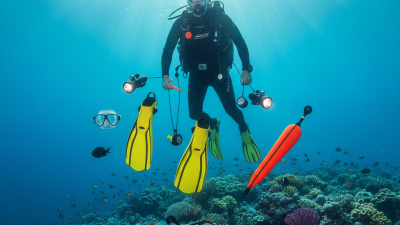
Diving fins play a crucial role in enhancing underwater adventures. These essential tools significantly improve maneuverability and propulsion. Experienced divers know that the right pair of diving fins can make or break an exploration.
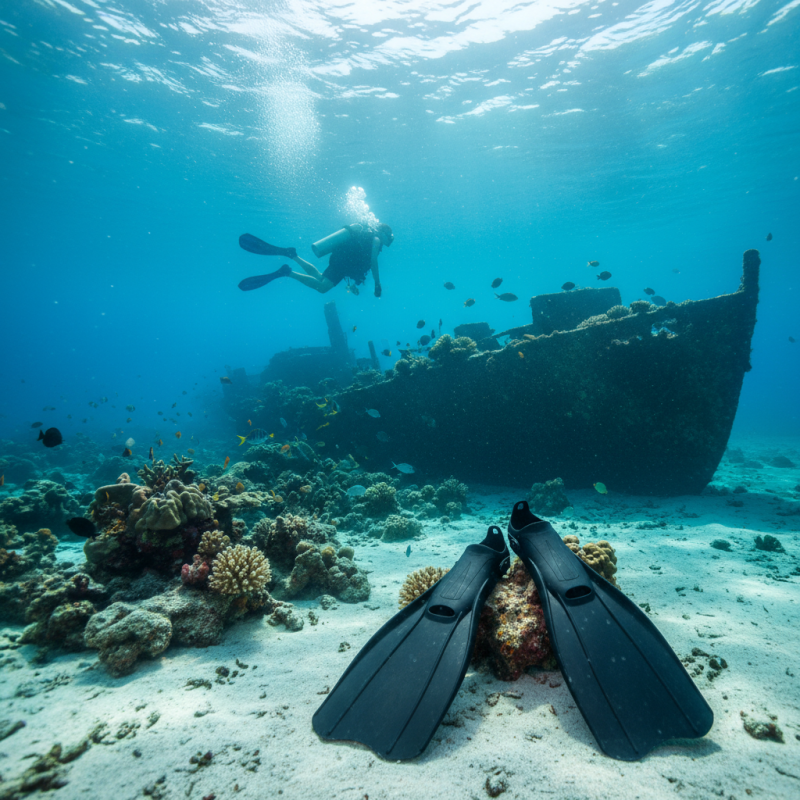
When you glide through crystal-clear waters, diving fins allow for effortless movement. They enable divers to navigate through coral reefs or investigate shipwrecks with ease. Picking the correct fins is vital. A good fit prevents discomfort and fatigue. However, the right choice can sometimes feel overwhelming. Not every fin suits every diver’s needs.
Reflecting on past trips, many divers realize how much fins affect their experience. Some may choose poorly, facing struggles underwater. Learning from these experiences can help future divers select better gear. Understanding the various types of diving fins is essential for all who seek adventure beneath the waves.
The Importance of Diving Fins in Enhancing Underwater Mobility
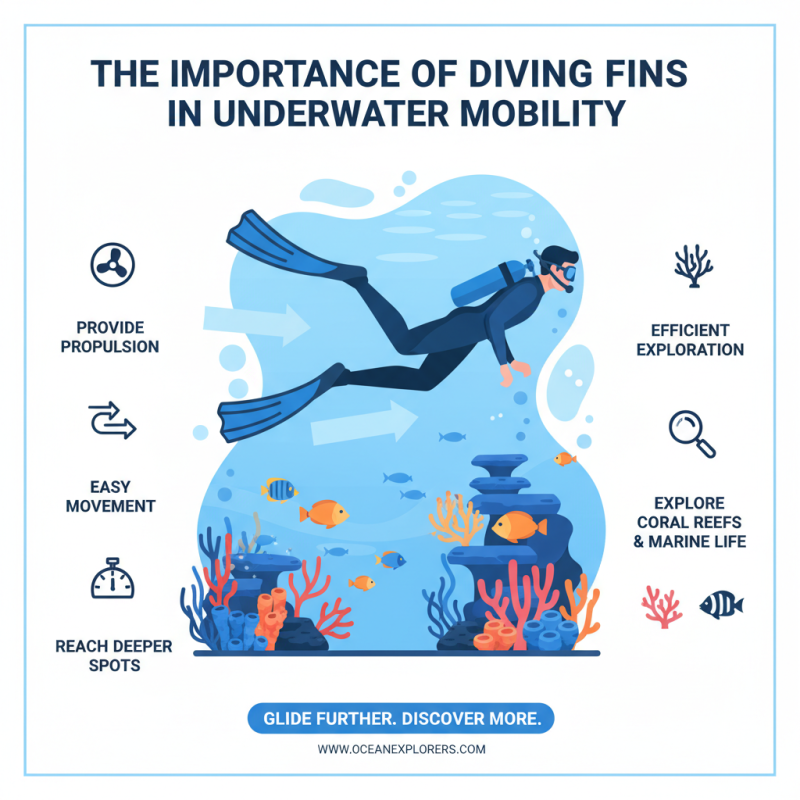
Diving fins play a crucial role in enhancing underwater mobility. They provide propulsion, allowing divers to move through water with ease. When using fins, each kick generates thrust, making it easier to reach deeper spots. This efficiency is vital for exploring coral reefs and marine life.
Fins also help reduce fatigue. Without them, divers expend more energy fighting against water resistance. Over time, this can lead to exhaustion, impacting the overall experience. The right fins can make a significant difference in comfort during a long dive.
While fins are essential, choosing the right ones can be challenging. Some divers might select fins too stiff for their skill level or diving style. This can hinder mobility rather than enhance it. It’s important to test different types to find the best fit. Understanding these nuances can greatly improve one’s diving adventures.
Types of Diving Fins: A Breakdown of Designs and Materials Used
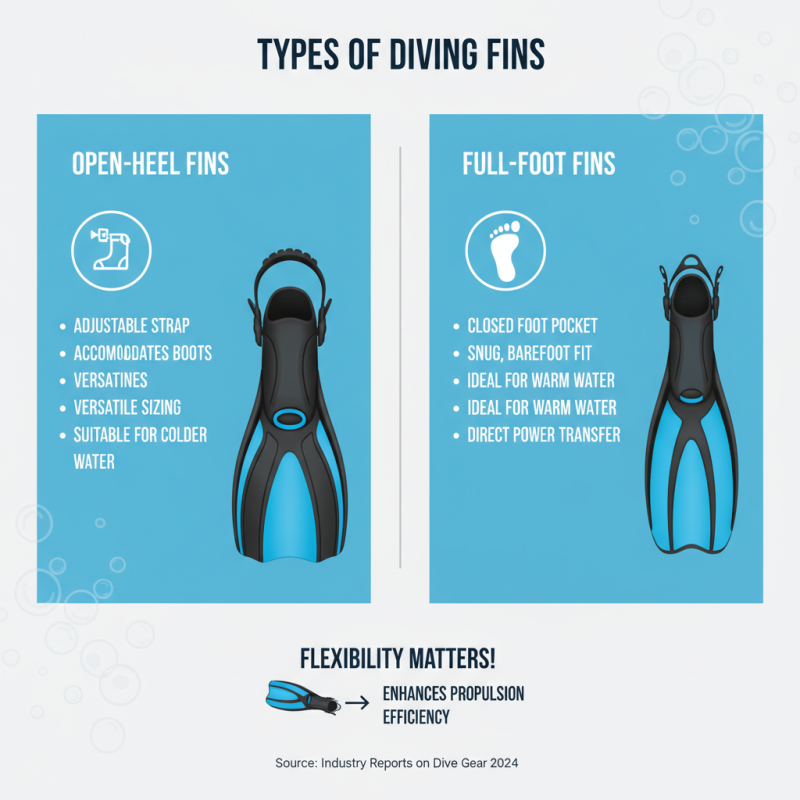
Diving fins play a crucial role in enhancing underwater mobility. They come in various designs and materials, each serving unique needs. Common types include open-heel fins and full-foot fins. Open-heel fins are adjustable, making them suitable for various boot sizes. Full-foot fins provide a snug fit, ideal for warm waters. According to industry reports, the flexibility of the fin can significantly impact propulsion efficiency.
Materials used in fins also matter. Traditional rubber fins are durable but can be heavy. Lighter composite materials, like plastics and fiberglass, offer improved performance. A 2022 survey indicated that 80% of divers prefer lighter materials for ease of movement. Some divers may find the lighter fins less rigid, impacting control. A balance between firmness and flexibility is vital.
Tips: When choosing fins, consider water conditions. For strong currents, opt for stiffer models. Those exploring calm waters might prioritize comfort. Trying different styles before purchasing can lead to better decisions. Don’t overlook the importance of fit. A poorly fitting fin can cause discomfort and hinder performance. Dive safely and enjoy the underwater beauty.
How Diving Fins Improve Efficiency and Reduce Energy Expenditure
Diving fins play a vital role in underwater exploration. They enhance propulsion and facilitate effortless movement. A swish of the fins can propel you forward with minimal energy, allowing for longer dives. This efficiency is crucial for divers who wish to explore coral reefs or underwater caves without exhausting themselves.
Many divers struggle with fatigue during long swims. Fins counteract this by maximizing thrust while reducing effort. When you kick, the fins create thrust, cutting through water with grace. This allows divers to glide rather than fight against resistance. A smooth motion means less strain on the body.
Improper fin choice can lead to complications. Fins that are too heavy or stiff can hinder movement. They may cause cramps or premature fatigue. Choosing fins that fit well is essential. Each diver must reflect on their own experiences to find the right balance. Properly designed diving fins can make all the difference in your underwater adventures.
Safety Benefits of Using Fins During Underwater Exploration
Diving fins are crucial for underwater safety. They enhance propulsion, allowing divers to move quickly and efficiently. This is particularly important when currents are strong or visibility is low. With the right fins, divers can conserve energy and reduce fatigue. Tired divers may struggle, leading to dangerous situations.
Using fins also helps maintain balance and control. When navigating coral reefs or underwater caves, fin assistance is vital. Divers can maneuver with more precision. This skill mitigates the risk of bumping into sharp objects or disturbing marine life. Such caution is essential for both diver safety and ecosystem preservation.
Even experienced divers can face challenges. The wrong fin size or type can lead to discomfort. A snug fit is necessary to avoid blisters or cramps. Testing equipment before a dive ensures readiness and confidence. Reflecting on past experiences can improve future dives. Emphasizing safety through appropriate fin use remains a priority for all underwater adventurers.
The Role of Diving Fins in Marine Life Conservation and Interaction
Diving fins play a crucial role in underwater adventures. They enhance mobility and efficiency while exploring marine environments. With the right fins, divers can glide through the water effortlessly. This makes it easier to observe delicate marine life without disturbing their habitat.
Using fins responsibly helps in marine life conservation. For instance, divers can maintain a safe distance from coral reefs. This reduces the risk of accidental damage. Additionally, fins allow divers to cover more ground in less time. This means less energy spent and a reduced environmental impact. However, it’s essential to remember that not all fins are created equal. Choosing poorly designed or overly rigid fins may lead to exhaustion and accidents.
Inexperienced divers may struggle to control their movements, potentially harming the very ecosystems they wish to explore. Rethinking techniques and focusing on finesse is key. It's vital to practice sustainable diving. Understanding how fin use shapes marine interactions can lead to more responsible diving experiences. The ocean is a fragile environment. Respecting it means carrying out thoughtful practices every time we dive.
Why Are Diving Fins Essential for Every Underwater Adventure?
| Aspect |
Details |
| Propulsion |
Diving fins help divers streamline their movement in water, increasing propulsion efficiency. |
| Energy Conservation |
Fins reduce the energy required to swim, allowing for longer dives without fatigue. |
| Maneuverability |
Diving fins provide better control and maneuverability, essential for navigation in underwater environments. |
| Safety |
Proper use of fins can help divers maintain stability and reduce the risk of accidents. |
| Marine Life Interaction |
Fins promote responsible interaction with marine life by allowing divers to move quietly and minimize disturbance. |
| Environmental Conservation |
Fins reduce the amount of sediment disturbed on the ocean floor, helping to protect fragile ecosystems. |