10 Essential Tips for Choosing the Right Diving Fins
Choosing the right diving fins is essential for any underwater adventure. These fins enhance your movement and buoyancy. The right pair can make a significant difference in your diving experience.
When selecting diving fins, consider your dive style. Not all fins are suitable for every activity. Some are better for speed, while others offer stability. A good fit is crucial for comfort. Chafing or slipping can ruin a dive. Pay attention to the fin's material and design. They should align with your diving goals.
Keep in mind that finding the best fins may take time. It’s okay to try different styles. What works for one diver may not work for another. A little trial and error will lead you to your perfect match. Ultimately, the right diving fins will enhance your experience and keep you safe underwater.
Understanding Different Types of Diving Fins and Their Uses
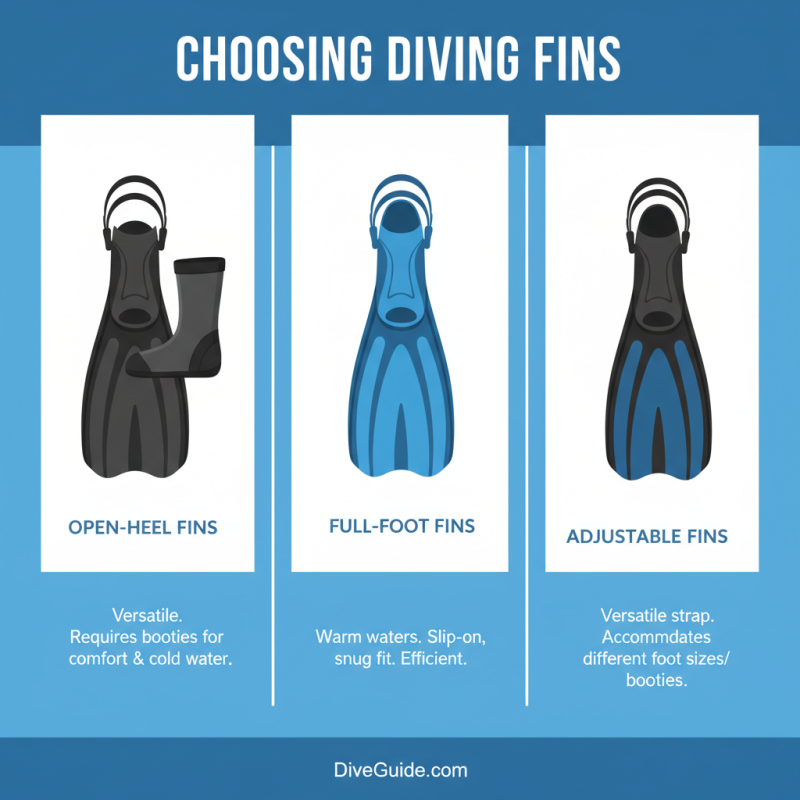
When choosing diving fins, it’s essential to understand the different types available. There are three main categories: open-heel, full-foot, and adjustable. Open-heel fins are versatile for various environments. They often require booties for comfort, making them suitable for cold waters. Full-foot fins are a great choice for warm waters. They slip on easily and provide a snug fit, enhancing efficiency.
Adjustable fins, while less common, cater to those who need a customizable fit. They might be bulkier but allow for adjustments as needed. Divers often find it challenging to select the right type. Some may choose based on appearance alone, overlooking comfort and performance. Testing different styles can reveal personal preferences and hidden discomforts.
The materials used in fins also contribute to their functionality. Softer materials provide flexibility, while stiffer ones offer power in kicks. Many new divers don’t realize the difference until they hit the water. Remember, the best fin for you may not be the most expensive one. Finding the right pair requires patience and experimentation.
Factors to Consider When Choosing the Right Size and Fit for Fins
Choosing the right diving fins is crucial for a comfortable underwater experience. When it comes to size and fit, a few factors stand out. It’s essential to consider the shape of your foot. Fins that are too tight can cause discomfort, while loose fins might slip off. A snug fit is ideal, but you don’t want to lose circulation.
Many divers often overlook the importance of trying on fins. Visit a dive shop, if possible. Walk around in them; check for any pressure points. A well-fitting fin should feel like an extension of your foot. If it pinches or rubs, it's not the right choice.
Also, think about the type of diving you plan to do. Different styles may require various fit considerations. For example, if you are diving in colder waters, thicker socks may necessitate a larger fin size. Remember, having the right fins can dramatically change your diving experience, affecting both comfort and performance. Keep these aspects in mind as you make your selection.
10 Essential Tips for Choosing the Right Diving Fins
Material Choices: How Fin Material Affects Performance and Comfort
When selecting diving fins, the material plays a crucial role in performance and comfort. Most fins are made from rubber, plastic, or composite materials. Each option offers unique benefits. Rubber fins are durable but may be heavier. Plastic fins are lightweight and often more affordable. Composite materials balance both performance and comfort, catering to various diving needs.
One study highlighted that divers using composite fins reported a 20% increase in propulsion efficiency compared to those using traditional rubber fins. This is significant for extended dives. If you prioritize comfort, consider that softer materials can reduce fatigue during long underwater sessions. Testing fins in a pool before purchase can help.
Tip: Always consider your diving style. For free diving, stiffer fins may offer better thrust. However, for leisurely reef dives, a more flexible fin is preferable. Monitor how different materials feel during your dives. You may find that the best choice isn't always the most popular one. Pay attention to how your feet feel after diving. Sometimes, a fin that seems perfect might not provide the comfort you expect.
10 Essential Tips for Choosing the Right Diving Fins - Material Choices: How Fin Material Affects Performance and Comfort
| Fin Material |
Performance |
Comfort |
Durability |
Weight |
| Rubber |
Good, provides stability |
Moderate, can feel stiff |
High |
Heavy |
| Plastic |
Moderate, flexible |
Comfortable |
Moderate |
Lightweight |
| Silicone |
Excellent, great propulsion |
Very Comfortable |
Moderate |
Lightweight |
| Carbon Fiber |
Outstanding, high performance |
Moderate |
Very High |
Lightweight |
| Composite |
High, balanced |
Comfortable |
High |
Moderate |
Key Features to Look For: Stiffness, Blade Shape, and Design
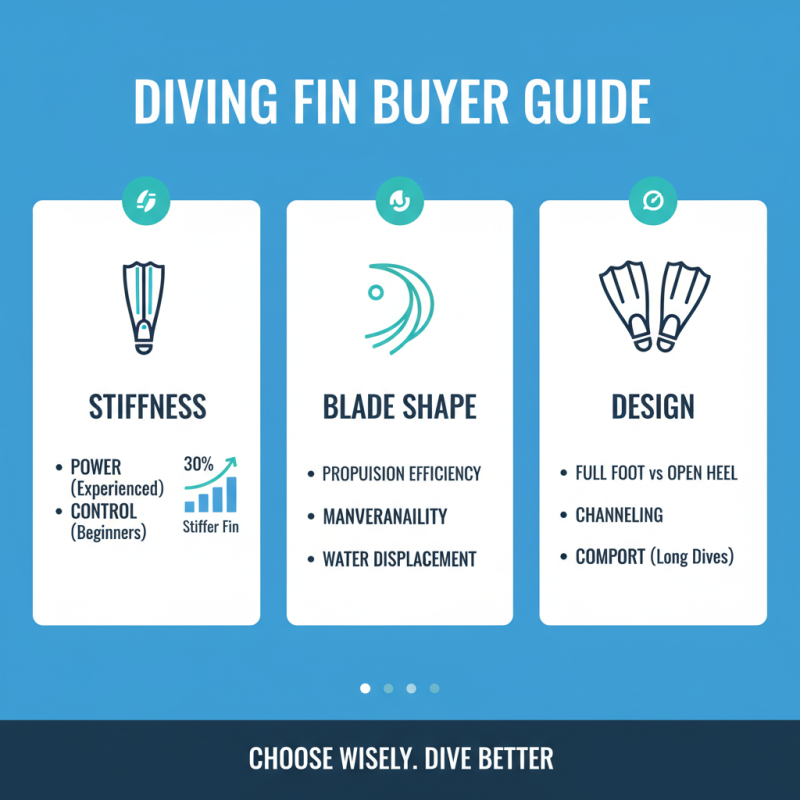
When selecting diving fins, three key features should guide your choice: stiffness, blade shape, and design. Stiffness affects your propulsion. A stiffer fin provides more power, ideal for experienced divers. However, a softer fin may suit beginners. It offers better control but less speed. Research indicates that fins with higher stiffness can increase thrust by up to 30%. Divers often mention the trade-off. Comfort is essential, especially during long dives.
Blade shape significantly influences your efficiency. Longer blades generate more thrust but may require more effort. Conversely, shorter blades can enhance maneuverability. According to a study from the Journal of Marine Science, divers using fins with longer blades reported a 25% increase in speed. Many divers overlook this detail. Improper blade shape can lead to fatigue or inadequate propulsion.
Lastly, consider the fin design. Open-heel fins provide better fit flexibility. Closed-heel options offer warmth and simple adjustments. Each design has its benefits. A properly designed fin fits snugly, minimizing water resistance. However, poorly fitted fins can create discomfort. Many divers face this issue, leading to poor performance. Balancing comfort and functionality is key.
Budgeting for Diving Fins: Finding Quality Within Your Price Range
When budgeting for diving fins, it’s crucial to strike a balance between quality and cost. High-end fins may promise better performance, but numerous budget-friendly options exist without compromising safety. Assess your diving frequency and skill level. For beginners, investing in moderately priced fins can offer adequate performance. These fins should provide comfort and flexibility without straining your wallet.
Look for reviews and get insights from experienced divers. They often share valuable opinions about various products within different price ranges. Remember, cheaper fins may wear out faster. Consider durability when making a choice. Some lower-priced options may not withstand daily use, leading to frustration during dives. Reflect on how often you plan to dive. If diving is going to be a frequent activity, a slightly higher investment may prove w worthwhile in the long run.