10 Essential Tips for Choosing the Perfect Scuba Diving Mask
Choosing the right Scuba Diving Mask is crucial for an enjoyable underwater experience. According to industry reports, nearly 70% of divers struggle with mask fit. A poorly fitted mask can lead to discomfort or leaks, affecting visibility. As a diver descends, pressure increases, making a secure fit even more vital.
Various mask designs, materials, and features can overwhelm new divers. Tempered glass lenses improve safety, while internal volume affects equalization. Industry experts suggest trying masks on before purchasing. Approximately 40% of divers emphasize the importance of personal comfort over brand reputation.
Taking the time to evaluate your options is essential. Some divers overlook critical factors, leading to regret later on. A mask that looks great may not perform well underwater. The right Scuba Diving Mask can enhance your experience and ensure safety while exploring the depths.
Understanding the Different Types of Scuba Diving Masks
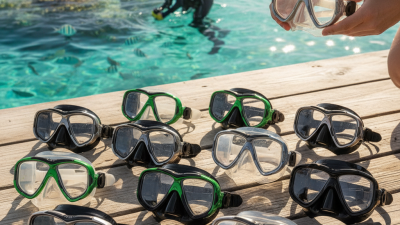
When selecting a scuba diving mask, understanding the different types is crucial. There are primarily three styles: single lens, double lens, and full-face masks.
Single lens masks provide an unobstructed view. They are less bulky and offer a wider field of vision. Reports indicate that divers often prefer these for greater visual clarity. However, they might not allow for prescription lenses without specific modifications.
Double lens masks offer versatility. The separate lenses allow for the addition of corrective eyewear directly. Many divers report improved comfort and vision clarity with these masks. According to a survey by the PADI, about 40% of divers encounter vision issues underwater. This suggests that a double lens option is essential for those who need glasses.
Full-face masks, while providing excellent coverage, come with complexities. They allow for communication via headsets, enhancing safety. Yet, they can also feel restrictive. A study revealed that nearly 25% of divers experienced discomfort from this design. Choosing the right style requires reflection on personal comfort and diving needs. It can be perplexing to balance visibility, comfort, and the type of diving being pursued.
Factors to Consider for a Custom Fit and Comfort
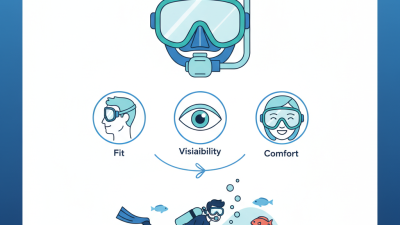
Choosing the right scuba diving mask is crucial for a comfortable experience underwater. A proper fit can significantly enhance your vision and enjoyment. Start by trying on various masks to see what feels best. Pay attention to the quality of the seal against your face. If it feels loose or pinches, it’s not right for you.
Test the mask by inhaling through your nose. It should create a small vacuum. If air leaks in, look for a different style. Also, consider the lens shape. Some offer a wider field of view. Others may feel more restrictive. It’s essential to find what works for your face shape and personal preference.
Try different strap types as well. Some people prefer a traditional silicone strap. Others might gravitate towards a quick-release option. It’s wise to examine how the mask adjusts. Does it feel secure and comfortable? Note how the weight of the mask feels when submerged. It might shift unexpectedly, leading to distractions. Choose wisely.
The Importance of Lens Types: Clear vs. Tinted vs. Mirrored
Choosing the right lens type for your scuba diving mask is crucial. The three main options are clear, tinted, and mirrored lenses. Each type serves a different purpose, impacting your underwater experience significantly.
Clear lenses provide an unobstructed view. They are excellent for low-light conditions. However, they offer no protection from glare. In contrast, tinted lenses are preferable in bright environments. They reduce brightness and provide comfort. They can enhance contrast slightly. Unfortunately, this can sometimes distort colors, affecting perception.
Mirrored lenses add an extra layer of protection from UV rays. They minimize glare from the surface of the water. This can be vital when diving in sunny locations. However, the downside is that mirrored lenses can darken your vision in deeper waters. Additionally, they need more care to prevent scratches. Reports show that nearly 40% of divers still struggle with choosing the right lens. Many face visibility issues underwater, which could be avoided with the proper selection. Thoughtful consideration of these lens characteristics can greatly enhance your diving experience.
10 Essential Tips for Choosing the Perfect Scuba Diving Mask - The Importance of Lens Types: Clear vs. Tinted vs. Mirrored
| Lens Type |
Advantages |
Disadvantages |
Best Use |
| Clear |
Provides maximum visibility and clarity underwater. |
Can allow more light, which may cause glare. |
Ideal for low-light conditions or night diving. |
| Tinted |
Reduces glare and improves vision in bright conditions. |
May reduce visibility in darker environments. |
Best for sunny days and shallow reef dives. |
| Mirrored |
Offers the best protection against glare from sunlight. |
Can limit visibility in low-light conditions. |
Great for diving in bright, sunny locations. |
Assessing the Durability and Material of Scuba Diving Masks
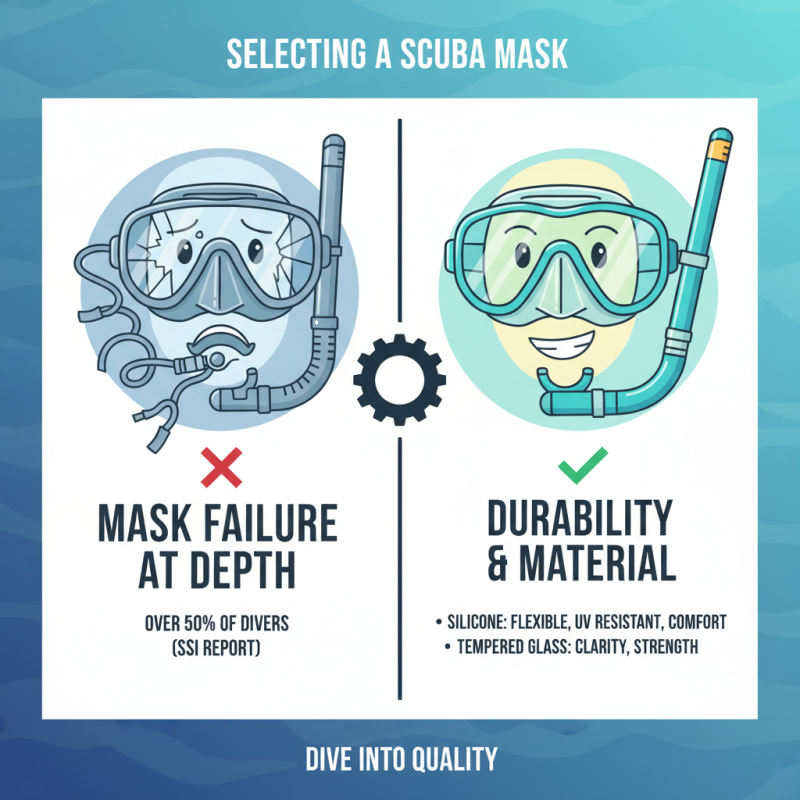
When selecting a scuba diving mask, durability and material are critical factors. The mask must withstand the rigors of underwater adventures. A report by Scuba Schools International highlights that over 50% of divers have experienced mask failure at depths. This data underscores the importance of quality materials. Silicone, for instance, offers flexibility and longevity. It resists UV rays and is comfortable against the skin.
Polycarbonate is another common material for scuba masks. It’s lightweight and impact-resistant. However, it may not hold up to extreme conditions as well as silicone. A significant portion of masks in the market may not meet durability standards. Divers should be cautious and ask for material specifications before purchase.
Additionally, the design impacts both durability and function. A poorly designed mask can lead to leaks, rendering it ineffective. Some divers report frustration with fogging issues. Using anti-fog treatments can help, but not all masks are made to prevent this problem. It’s essential to evaluate personal needs and environmental conditions. Testing masks in-store can also reveal much about comfort and durability.
Budgeting for Quality: How Much to Spend on a Diving Mask
When it comes to scuba diving masks, budgeting is crucial. A quality mask can make a significant difference in your underwater experience. You might find cheap masks that look appealing. However, they often lack the necessary features for comfort and functionality. A clear lens, a good seal, and a comfortable fit are essential. Spending a little more here can pay off in a big way.
Typically, a reliable scuba mask costs between $50 to $150. This range often ensures you receive better materials. Look for silicone skirts, tempered glass lenses, and adjustable straps. These features contribute to comfort and performance underwater. Cheaper alternatives may have rubber skirts or plastic lenses, which can fog up easily. This is an annoyance you’ll want to avoid while diving.
Your diving frequency also influences your mask budget. If you dive often, investing in a higher-quality mask is wise. On the other hand, if you dive sporadically, you might consider a mid-range option. Allocate enough funds but don’t feel pressured to overspend. Reflect on what you value most in a diving mask. Comfort, visibility, and durability should take priority in your decision-making process.