2026 How to Choose the Best Diving Gear for Your Underwater Adventures?
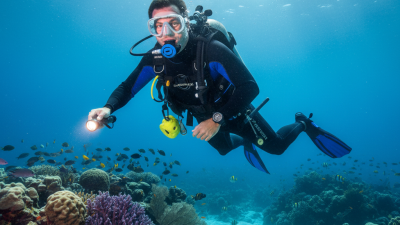
Choosing the right diving gear is essential for your underwater adventures. The ocean is vast and mysterious, filled with unique experiences. With the right equipment, you can explore vibrant coral reefs and discover marine life.
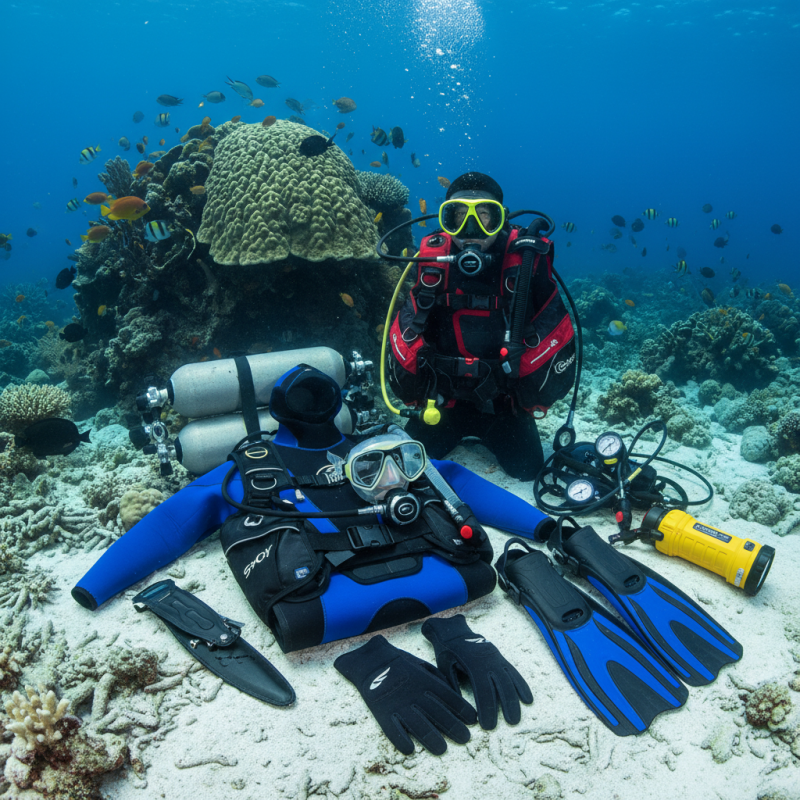
Diving gear comes in many types. Each piece plays a crucial role. From masks to wetsuits, every detail matters. A properly fitted mask ensures clear vision. A warm wetsuit keeps you comfortable in cold waters. Selecting quality gear can make or break your dive.
However, it’s not always easy to make the right choices. Budget constraints can affect decisions. Sometimes, popular brands may not be the best fit for everyone. Research is necessary. Remember, diving gear should cater to your specific needs and preferences. Taking time to evaluate options helps you find the best match.
Understanding Different Types of Diving Gear for Various Activities
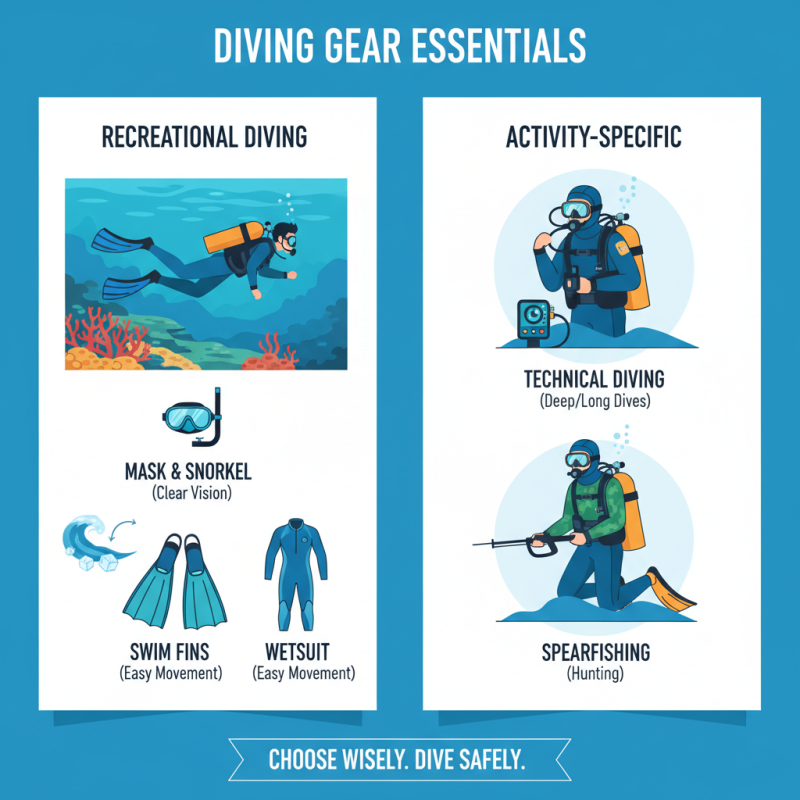
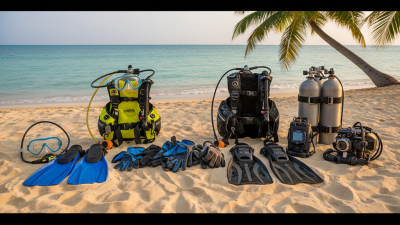
Choosing the right diving gear is essential for any underwater adventure. Different activities require specific equipment. For instance, recreational divers often rely on a basic set, including a mask, snorkel, and fins. These essentials allow for easy movement over reefs. A wetsuit is also crucial for warmth in cooler waters.
In contrast, technical divers need more specialized gear. They may require advanced systems like rebreathers or multiple tanks. It’s vital to understand the risks involved with advanced diving. Many overlook the importance of familiarizing themselves with their equipment before diving. Proper education is necessary, yet not always prioritized. Without proper knowledge, divers can face dangerous situations.
Free diving is another activity with unique requirements. Divers should focus on a snug-fitting mask and lightweight fins for agility. However, it's easy to underestimate the importance of breath control training. Many aspiring free divers skip this vital preparation. Learning to manage one’s breath is just as important as the gear itself. Ultimately, choosing the right gear involves understanding both personal needs and activity requirements.
Key Factors to Consider When Selecting Diving Equipment
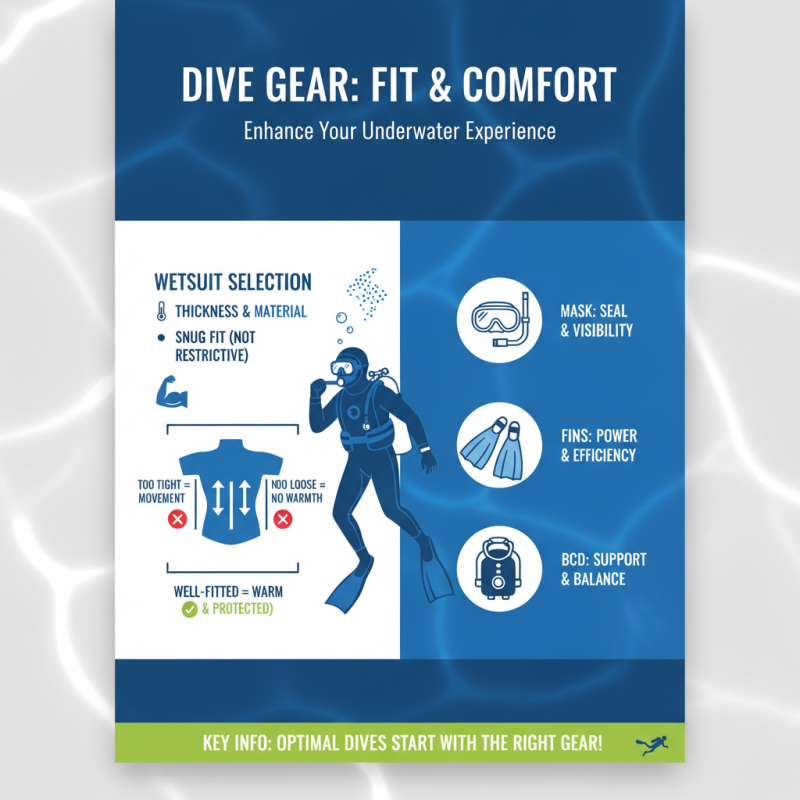
When choosing diving gear, comfort and fit are crucial. A wetsuit that feels snug but not restrictive is essential for warmth.
Pay attention to thickness; thicker suits offer more insulation.
However, they may limit mobility. Test different sizes and styles before committing to one.
Another important factor is safety features. Look for equipment with built-in buoyancy control devices.
They help maintain an appropriate depth. Your mask should provide a good seal and clear visibility. Take the time to adjust straps and spectacle fit.
A mask that leaks is frustrating underwater.
Don’t forget about your diving experience level. Beginners might need simpler gear. Advanced divers can opt for more technical options.
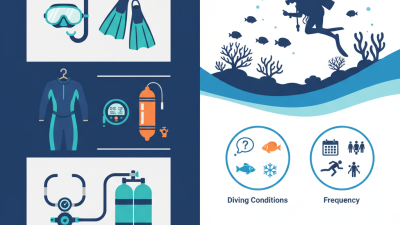
Reflect on your dive plans. If you dive frequently, investing in quality gear pays off.
Remember, the right equipment enhances your underwater adventures significantly.
Budgeting for Your Diving Gear: Value vs. Price
When budgeting for diving gear, finding a balance between value and price is crucial. The global diving equipment market was valued at approximately $3.4 billion in 2022. It is projected to grow at a CAGR of 5.4% by 2030. This growth reflects increased interest in underwater exploration. The choices available can be overwhelming, making it essential to prioritize needs over wants.
Many divers often overspend on high-end gear, believing it guarantees safety and performance. However, a study by a marine equipment research firm shows that 85% of divers use standard gear successfully. Investing in quality essentials rather than luxury brands might be wise. Key items, such as a reliable wetsuit and regulator, can significantly enhance both comfort and safety without breaking the bank.
It’s easy to get caught up in marketing claims. Some divers feel pressured to buy the latest model for better performance. Yet, many seasoned divers recommend focusing on training and knowledge over expensive products. New divers should consider renting before committing to purchases. This approach allows them to experience different styles without a hefty investment. Balancing budget with quality is more about personal reflection and understanding your needs.
Maintaining and Caring for Your Diving Equipment
Caring for your diving gear is essential. Proper maintenance extends the life of your equipment and ensures safety. Rinse your gear thoroughly with fresh water after every dive. Saltwater can deteriorate materials. Pay attention to zippers and valves; they can jam if not cleaned properly. It’s easy to forget these details.
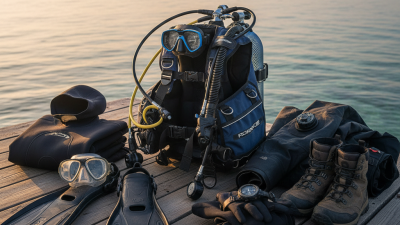
Store your gear in a cool, dry place. Avoid direct sunlight to prevent damage. Humidity can promote mold growth, particularly in wetsuits and masks. Periodically inspect your equipment for wear and tear. You might overlook small tears, but they can lead to bigger problems. Remember to replace worn-out parts regularly.
Regularly check your dive computer and gauges. Calibration is crucial for accurate readings. Many divers fail to do this consistently. Replacing batteries and keeping tight seals is also important. Take time to keep a log of your gear’s history. This helps track when maintenance is due. Staying organized can prevent overlooked issues before your adventures.
2026 How to Choose the Best Diving Gear for Your Underwater Adventures