What is the Purpose of Scuba Fins in Diving?
Scuba fins play a crucial role in diving. They bridge the gap between divers and the underwater world. These specialized tools offer more than just propulsion. Scuba fins enhance efficiency and maneuverability, making underwater exploration a joy.
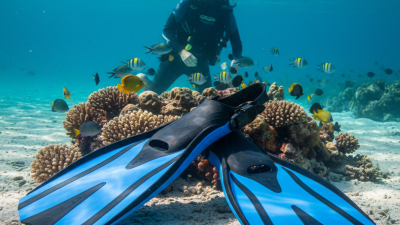
When you slip into the water, the right pair can change everything. Imagine gliding effortlessly through vibrant coral reefs. With each kick, you harness the power of your fins. However, not all fins are created equal. Some may feel bulky or cumbersome. Choosing the right fit can be a challenge.
Remember that scuba fins can wear out over time. Maintenance is essential, yet often overlooked. Reflecting on their purpose can lead to a better diving experience. The journey into the depths is not just about seeing but also feeling the flow of the ocean.
The Functionality of Scuba Fins in Underwater Propulsion
Scuba fins are essential for underwater propulsion. They amplify the diver's power with every kick. A good pair helps streamline movement through the water. Without fins, you may struggle to swim efficiently. The design of fins creates thrust, allowing divers to glide effortlessly.
When using fins, pay attention to your kick technique. A long, slow kick is often more effective than rapid, short kicks. This helps conserve energy, especially on long dives. Remember to keep your legs straight and initiate movement from the hips. It may feel unnatural at first, but it’s crucial for efficiency.
Tip: Always practice your fin kicks in shallow water before diving deeper. This builds confidence and helps you find what feels natural. Keep experimenting! Tips can make a difference. Focus on comfort and control. Some dives challenge even experienced divers, so adjust your technique as needed. The more you dive, the better you will understand how to use fins effectively.
Types of Scuba Fins and Their Specific Uses in Diving
Scuba fins are essential for diving. They enhance propulsion and make swimming effortless. There are various types, each serving distinct purposes.
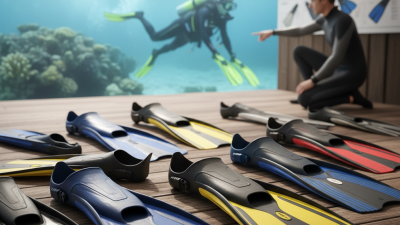
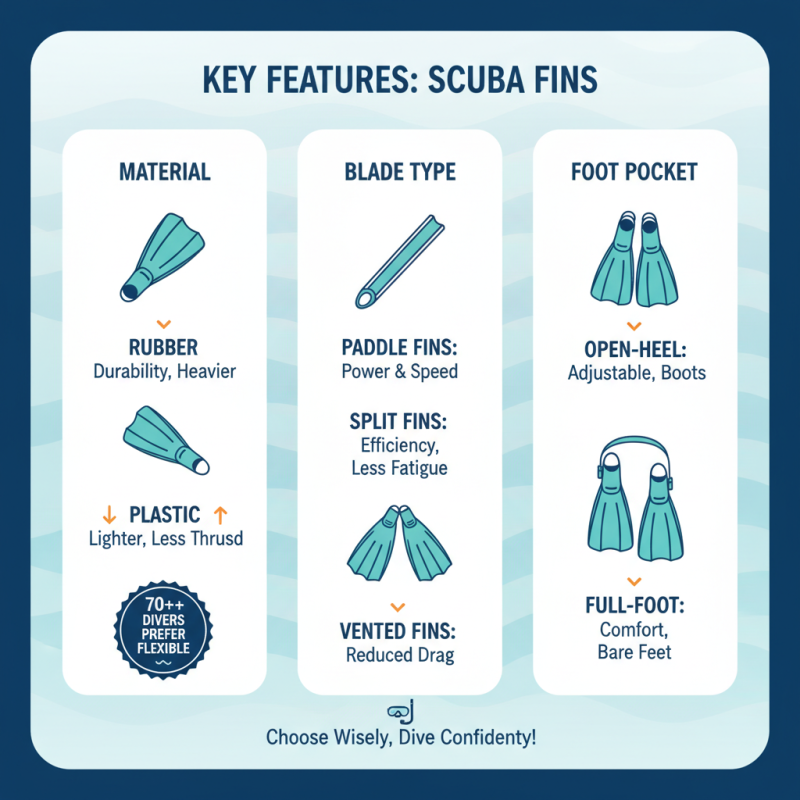
Open-heeled fins are popular among divers. They are adjustable and allow the use of booties. This feature keeps feet warm in colder waters. Full-foot fins fit snugly and are ideal for warm water diving. They provide a more direct transfer of power.
When selecting fins, consider your diving style. If you plan to dive in chilly areas, opt for open-heeled fins. For tropical locations, full-foot fins are a great choice.
Tips: Always try on fins before buying. A good fit prevents blisters and discomfort. Ensure your fins are neither too tight nor too loose. Additionally, practice your kicking technique. Good technique can maximize efficiency and improve comfort underwater.
What is the Purpose of Scuba Fins in Diving?
How Scuba Fins Enhance Diver Efficiency and Comfort
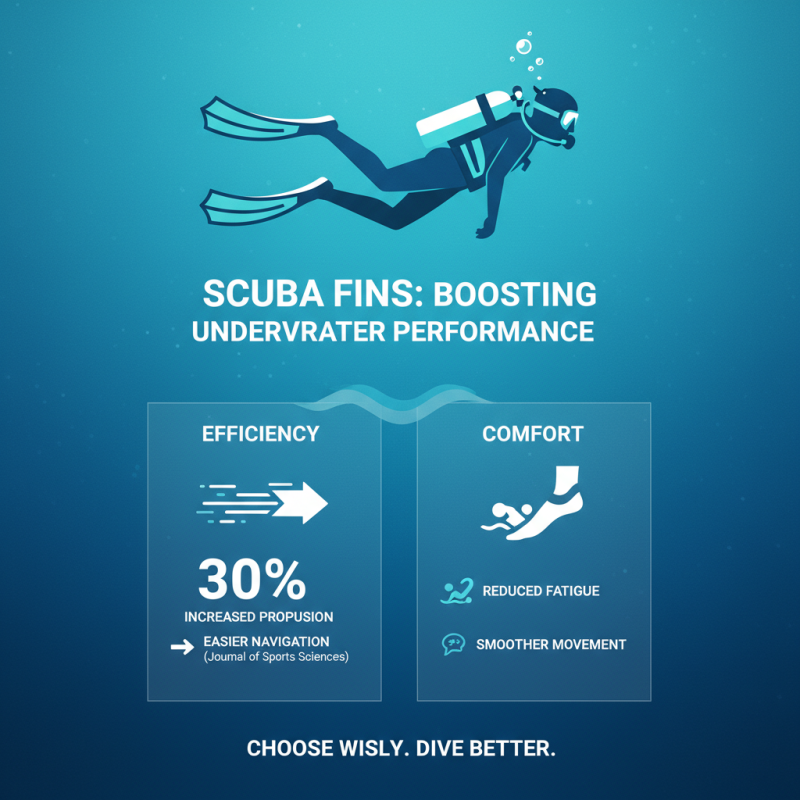
Scuba fins play a vital role in enhancing diver efficiency and comfort underwater. According to a study by the Journal of Sports Sciences, the use of fins can improve propulsion by up to 30%. This increase enables divers to navigate through the water with greater ease. Choosing the right fins can significantly impact a diver’s experience.
Using fins effectively allows divers to conserve energy. Studies show that divers can swim 60% longer using fins compared to swimming without them. This energy-saving factor is crucial, especially during longer dives. Divers can focus on exploring rather than battling against water resistance. It also reduces the risk of fatigue-related accidents.
However, not all fins are created equal. A diver’s experience may vary based on fin design and fit. Some fins may feel uncomfortable after prolonged use. The wrong choice can lead to blisters and cramps. It’s important to find fins that balance efficiency with comfort. Many divers report discomfort after extended use, highlighting the need for trial and adjustment. The ideal fin should support stamina while minimizing strain, a common challenge for many.
The Importance of Proper Fit and Technique in Using Scuba Fins
Scuba fins play a vital role in diving, enhancing propulsion and reducing energy expenditure. Proper fit is crucial. Fins that are too tight can cause discomfort, while loose fins may slip off during dives. According to a study by the Divers Alert Network, 65% of divers reported issues related to fin fit. This emphasizes the need for a thoughtful selection process.
Technique also matters significantly. Efficient kicking techniques maximize thrust while minimizing drag. A research report from the Undersea and Hyperbaric Medical Society states that divers using proper technique can reduce oxygen consumption by up to 15%. This can greatly extend dive time. Common mistakes include over-kicking and using unnecessary energy. Divers must focus on smooth strokes instead of frantic movements.
It's important to remember that practice is essential. Many divers overlook the need for practice drills in controlled environments. This can lead to ineffective use of their fins when it counts. Inadequate experience can lead to fin-related fatigue. Frequent practice can enhance both comfort and performance underwater.
What is the Purpose of Scuba Fins in Diving? - The Importance of Proper Fit and Technique in Using Scuba Fins
| Aspect |
Description |
Importance |
| Propulsion |
Fins provide thrust and propel the diver efficiently through water. |
Essential for reducing fatigue and improving movement underwater. |
| Stability |
Help maintain balance and stability while diving. |
Crucial for effective navigation and avoiding disorientation. |
| Safety |
Properly fitting fins reduce the risk of injury and provide better control. |
Improves overall safety and confidence while diving. |
| Technique |
Using fins with the correct technique maximizes efficiency. |
Prevents unnecessary energy expenditure while diving. |
| Fit |
Fins must fit snugly to avoid slippage and provide maximum power. |
A proper fit enhances comfort and performance underwater. |