Why Scuba Diving is the Ultimate Adventure for Ocean Lovers in 2023
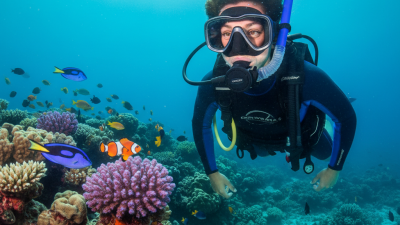
Scuba diving stands out as the ultimate adventure for ocean lovers in 2023, inviting enthusiasts to explore the breathtaking underwater world like never before. With each descent into the ocean's depths, divers embark on a unique journey filled with vibrant marine life, stunning coral reefs, and the thrill of exploration in a realm that feels entirely separate from everyday life. The allure of scuba diving is not only rooted in the beauty of the aquatic environment but also in the exhilarating experience of navigating through water, where every dive presents a new opportunity to connect with nature in an intimate and profound way.
As technology advances and accessibility improves, more people than ever are choosing to embrace scuba diving as a means of adventure and personal growth. The sport encourages environmental awareness and fosters a sense of responsibility towards ocean conservation, allowing divers to gain a deeper appreciation for the ecosystems they explore. The year 2023 marks a significant moment for those passionate about the ocean, as scuba diving provides a gateway to understanding the fragility and wonders of marine ecosystems, empowering individuals to take an active role in protecting them. Whether you are a seasoned diver or a curious beginner, the world beneath the waves awaits, ready to reveal its secrets and inspire awe.
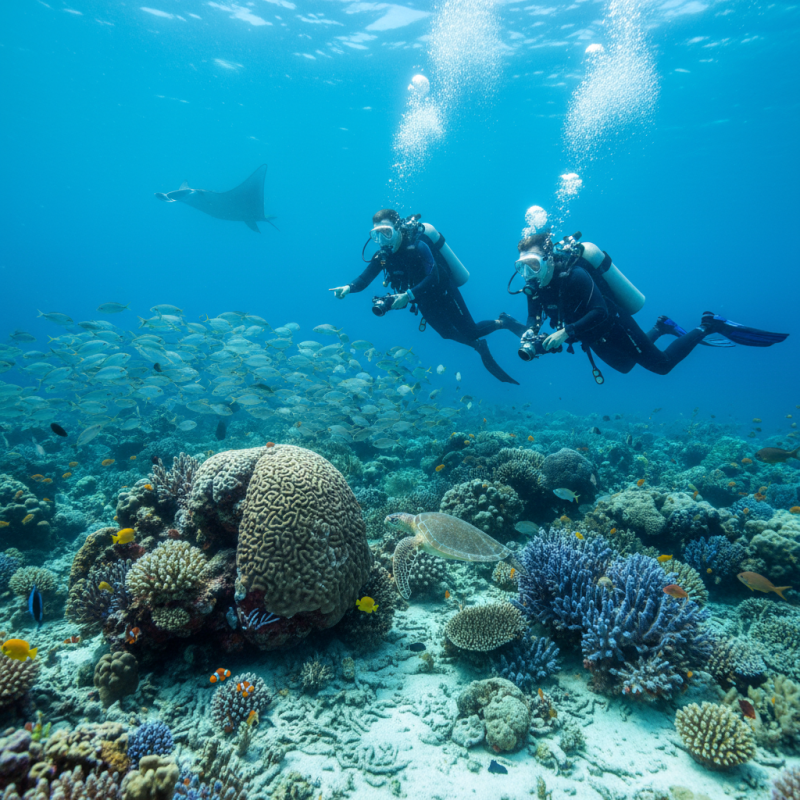
The Evolution of Scuba Diving as an Adventure Activity
The evolution of scuba diving as an adventure activity has transformed dramatically over the decades, reshaping how enthusiasts interact with our oceans. Originally pioneered in the early 20th century, scuba diving began with rudimentary equipment and limited understanding of the underwater world. The excitement of exploring the depths attracted early adventurers, but it wasn’t until the development of more sophisticated gear that diving became accessible to a broader audience. Innovations such as self-contained underwater breathing apparatus (SCUBA) revolutionized the experience, allowing divers to explore coral reefs and underwater caves with greater ease and safety.
As technology progressed, diving also became more diverse, catering to varying levels of experience and interests. From recreational dives exploring marine life to technical dives that delve into deeper waters, scuba diving now encompasses a wide range of activities. The rise of eco-consciousness has further shaped the industry, with a focus on conservation and sustainable practices becoming pivotal in diving programs. This shift not only enhances the adventure by making divers more aware of their impact on marine ecosystems but also fosters a deeper connection with the ocean. As we look towards 2023, scuba diving continues to attract ocean lovers, offering thrilling experiences while promoting stewardship of the seas.
Why Scuba Diving is the Ultimate Adventure for Ocean Lovers in 2023
This chart illustrates the key attributes that make scuba diving an exceptional adventure for ocean lovers in 2023, highlighting aspects such as experience level, location variety, marine biodiversity, safety standards, and technological advancements.
Essential Gear and Equipment for a Divers’ Experience
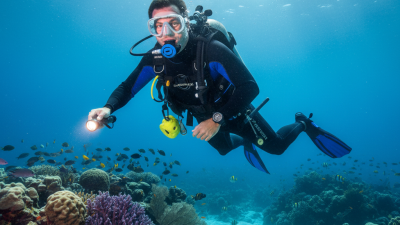
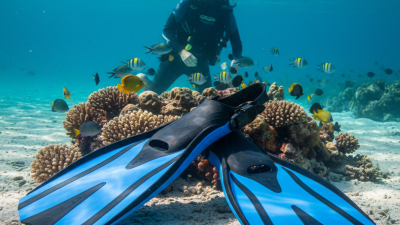
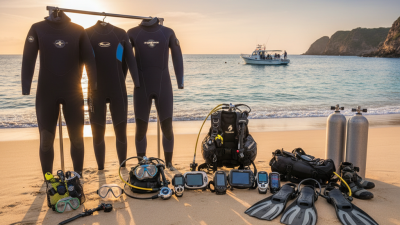
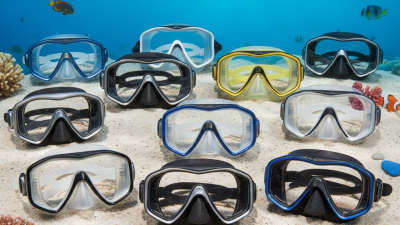
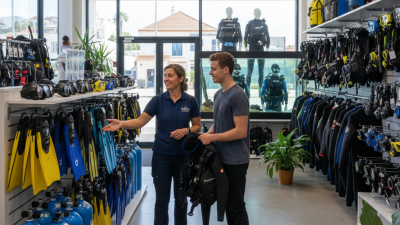
When embarking on an underwater adventure, having the right scuba diving gear is essential to ensure safety and enhance the overall experience. A well-fitted wetsuit or drysuit is important for temperature control and protection against abrasions. Divers should also invest in a reliable mask and snorkel, specifically designed to provide clear vision and comfort underwater. Fins play a crucial role in propulsion, allowing divers to navigate effortlessly through the water while conserving energy.
In addition to personal equipment, safety gear is paramount. Dive computers that monitor depth and time underwater help prevent dangerous situations such as decompression sickness. A buoyancy control device (BCD) is essential for managing one’s buoyancy, ensuring a stable position while diving. Additionally, carrying safety equipment like an emergency surface marker buoy can be lifesaving. Understanding and acquiring these essential pieces of gear not only enriches the scuba diving experience but also fosters a safer environment to explore the wonders of the ocean.
Top Scuba Diving Destinations for Ocean Enthusiasts in 2023
Scuba diving has emerged as a top choice for ocean enthusiasts seeking unparalleled adventures in 2023. With the global number of divers estimated to have reached over 6 million, according to market research by the Professional Association of Diving Instructors (PADI), the underwater world continues to captivate thousands of avid explorers. This surge in popularity points to not only a growing appreciation for marine biodiversity but also a desire for unique, immersive experiences that allow divers to connect with nature in transformative ways.

For those looking to explore the best scuba diving destinations, several locations rank above the rest this year. The Great Barrier Reef in Australia remains a perennial favorite, offering divers a chance to encounter vibrant coral ecosystems and a plethora of marine life, including turtles and colorful fish. Recent studies indicate that the reef supports over 1,500 species of fish, highlighting its ecological significance.
Additionally, Indonesia's Komodo National Park and the Red Sea in Egypt are also considered must-visit dive sites. These locations provide divers with opportunities to see magnificent underwater landscapes and diverse marine species, attracting both seasoned divers and novices alike.

With advances in dive technology and safety protocols, the thrill of exploring these underwater wonders has never been more accessible.
Environmental Impact of Scuba Diving and Conservation Efforts
Scuba diving offers an unparalleled opportunity to explore the wonders of the ocean, but it also carries significant environmental responsibilities. The sport has grown exponentially, with an estimated 2 million divers in the United States alone, according to the National Oceanic and Atmospheric Administration (NOAA). However, as participation increases, so does the potential impact on marine ecosystems. A report from the World Resources Institute highlights that improper diving practices can lead to coral damage, sediment disruption, and disturbances to marine life. Divers stepping on reefs or touching corals can cause lasting harm, making awareness and education essential for sustainability.
Conservation efforts are becoming increasingly vital in the diving community. Organizations such as the Coral Triangle Initiative have made strides in promoting responsible diving practices and habitat preservation. Data from various marine conservation studies indicate that areas with diving regulations witness a 30% recovery rate in coral health compared to unprotected zones. Additionally, the dive industry is actively engaged in programs aimed at cleaning ocean debris, with some dive shops hosting regular underwater clean-up events. By coupling adventure with activism, divers can contribute significantly to ocean preservation, ensuring that these remarkable underwater ecosystems continue to thrive for generations to come.
Health Benefits and Risks Associated with Scuba Diving
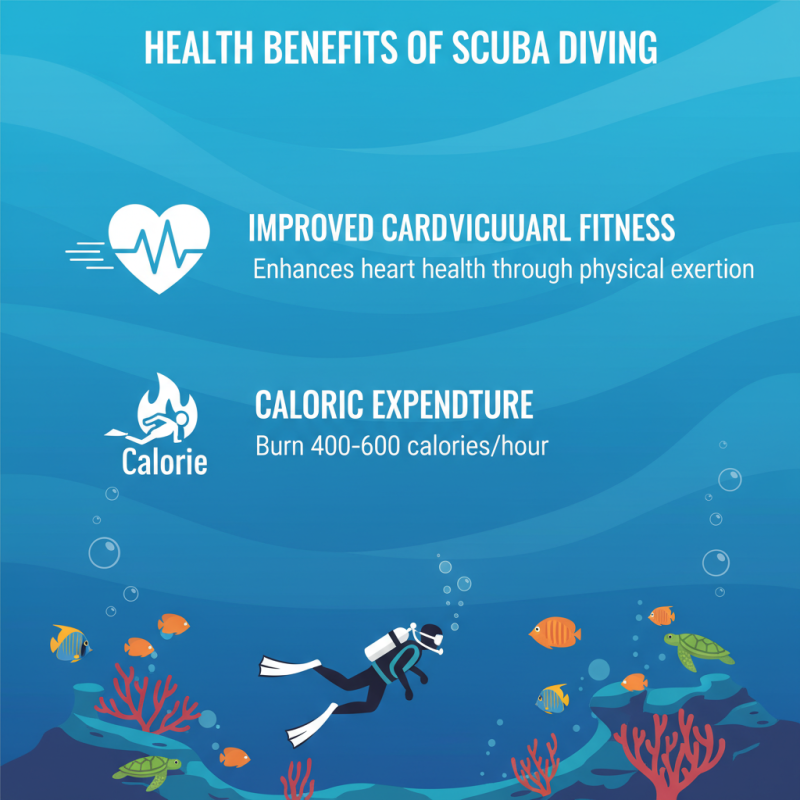
Scuba diving offers a multitude of health benefits that make it an enticing pursuit for ocean enthusiasts. One of the primary advantages is the improved cardiovascular fitness it provides. According to a study published by the Undersea and Hyperbaric Medical Society, aerobic activities like scuba diving can enhance heart health, as the practice requires physical exertion, from swimming to managing diving equipment. Engaging in regular underwater exploration can also result in significant caloric expenditure, with divers burning between 400 to 600 calories per hour depending on the intensity of the dive.
However, like any adventure sport, scuba diving comes with its own set of risks that divers need to be aware of. The most common complications are related to decompression sickness and barotrauma, affecting both novice and experienced divers. Research indicates that inadequate training or adherence to safety protocols significantly increases the risk of these issues. According to the Divers Alert Network, approximately 3 to 5% of divers experience some form of decompression sickness, underscoring the importance of education and training in mitigating risks associated with the sport. Staying informed about these potential dangers and undergoing proper training can enhance the underwater experience, allowing divers to enjoy the stunning beauty of the ocean while safeguarding their health.