What is Scuba Equipment and How Do You Choose the Right Gear?
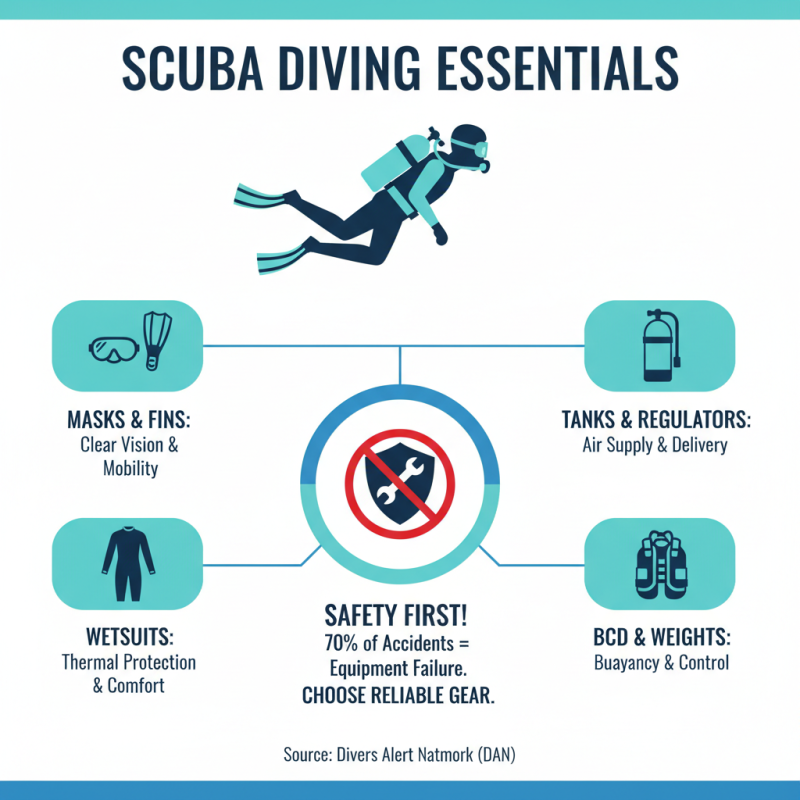
Scuba equipment plays a crucial role in diving safety and enjoyment. According to the Divers Alert Network (DAN), proper gear selection impacts diver safety significantly. Statistics show that 70% of diving incidents relate to equipment failure or improper use. Therefore, understanding how to choose suitable scuba equipment is essential for all divers.
When selecting scuba gear, factors like personal comfort, fit, and specific diving conditions should be considered. For example, a wet suit is ideal for warm waters, while dry suits suit colder environments. It’s important to remember that not all equipment is created equal. Budget gear may not provide the same reliability as higher-end options.
Moreover, divers often overlook the importance of maintenance. Regular checks on equipment can prevent potential malfunctions underwater. Many divers fail to perform these checks, leading to safety risks. Thus, ensuring proper care for scuba equipment is as vital as the selection process itself. Making informed choices helps enhance the diving experience while promoting safety in the underwater world.
Understanding the Basics of Scuba Diving Equipment
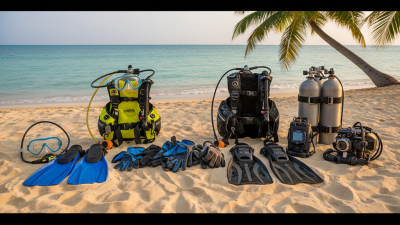
Understanding scuba diving equipment is crucial for any diver. The right gear enhances safety and comfort. There are several equipment categories, including masks, fins, wetsuits, and tanks. According to the Divers Alert Network, over 70% of dive accidents are linked to equipment failure. This highlights the importance of choosing reliable gear.
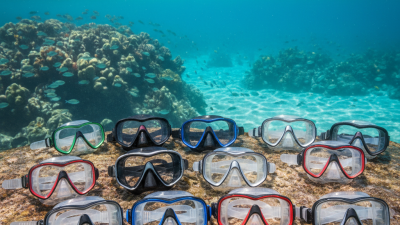
Masks should fit well but shouldn’t be too tight. A snug fit ensures a good seal, preventing water from entering. Fins need to match your diving style. Stiff fins are often better for strong currents. However, they may tire you quickly. Choosing the right wetsuit is also vital. Thickness varies with water temperature. A suit that is too thick can restrict movement.
The choice of tank influences your dive experience. Most divers prefer aluminum tanks for their lightweight nature. However, steel tanks hold more air but can be heavier. Understanding the specifics can lead to better decisions. Many divers often overlook maintenance, assuming gear is always ready to go. Regular checks save lives. Equipment choices can’t be taken lightly.
Types of Essential Scuba Gear for Beginners and Experts
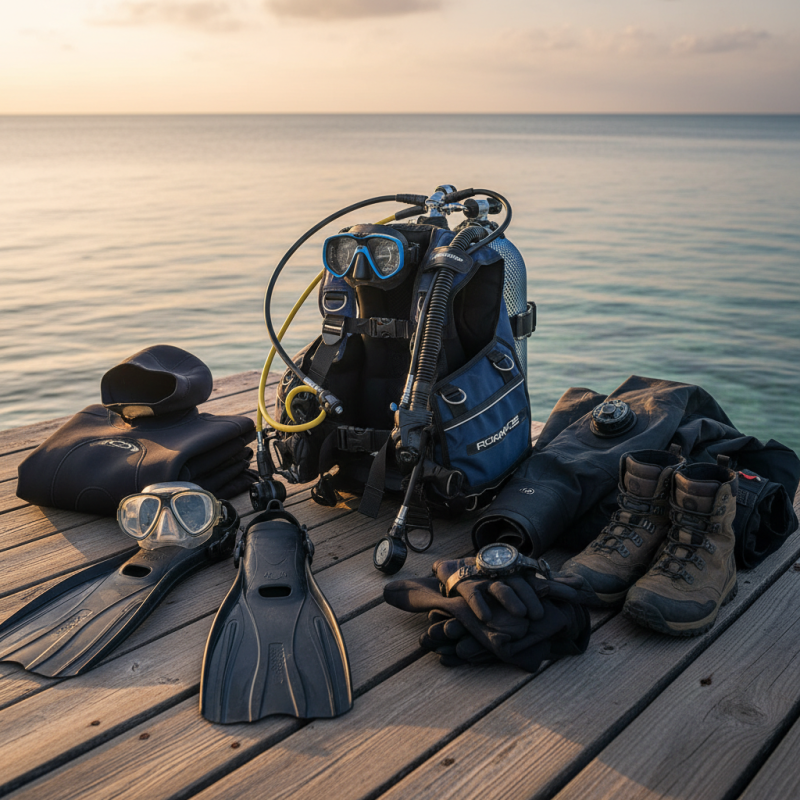
Choosing the right scuba gear is essential for both beginners and experts. Four key items make up the core of any scuba setup: a wetsuit, mask, fins, and a regulator. Each has its unique function and importance in ensuring your safety underwater.
A wetsuit protects against cold water and enhances buoyancy. Beginners may feel self-conscious in one, but it’s vital for comfort. Pay attention to fit; a loose wetsuit can cause discomfort and reduce warmth. Experts often choose a wetsuit made from thinner material to allow more freedom of movement.
Your mask should provide a snug fit without causing discomfort. Consider visibility; a low-volume mask can enhance your experience. It may take time to get used to the pressure changes. Fins come in various shapes and sizes. Short fins give more control, while long fins help with powerful kicks. Try both types to find your preference.
**Tips:** Always test your gear before diving. Practice in shallow water to build confidence. Remember, the ocean can be unpredictable. It’s crucial to be prepared mentally and gear-wise. Regularly maintaining your equipment will ensure safety and performance, but even then, unexpected issues can arise. Stay alert and adaptable.
What is Scuba Equipment and How Do You Choose the Right Gear?
| Type of Gear |
Description |
Essential for Beginners |
Recommended for Experts |
| Mask |
Allows clear vision underwater. |
Yes |
Yes |
| Fins |
Helps with propulsion and movement. |
Yes |
Yes |
| Wetsuit |
Provides thermal protection and buoyancy. |
Yes |
Yes |
| BCD (Buoyancy Control Device) |
Allows control of buoyancy underwater. |
No |
Yes |
| Regulator |
Supplies air from the tank to the diver. |
No |
Yes |
| Tank |
Holds compressed air for breathing. |
No |
Yes |
| Dive Computer |
Monitors depth, time, and decompression limits. |
No |
Yes |
Factors to Consider When Choosing Scuba Equipment
When selecting scuba equipment, several key factors should guide your choices. Comfort is paramount. A well-fitting wetsuit ensures thermal protection without restricting movement. According to industry data, over 30% of divers report discomfort due to improper fit. Many opt for custom fittings to avoid this issue. A snug fit reduces water entry, keeping you warm during dives.
Next, consider the environment. The type of diving affects your gear needs. For colder waters, thicker wetsuits or drysuits are essential. In warmer climates, a thinner suit may suffice. The dive type also impacts your selection. Recreational divers focus on ease and safety. Technical divers, however, often require specialized equipment. In a survey, 45% of technical divers indicated the importance of gear longevity and reliability in their decision-making process.
Finally, ensure the equipment is user-friendly. Complicated gear can lead to confusion underwater. An intuitive design promotes safety and enhances the diving experience. A study revealed that ease of use is a major concern for 60% of beginners. Reflect on your own preferences as you choose. Balancing comfort, environment, and simplicity will lead to informed decisions.
Factors to Consider When Choosing Scuba Equipment
Maintenance and Care for Scuba Diving Gear
Maintaining scuba diving gear is vital for safety and performance. Regular care can extend the life of your equipment significantly. According to industry reports, properly maintained gear can last up to 50% longer. This means you save money over time and ensure your safety underwater.
Washing gear in fresh water after each dive is essential. Saltwater can corrode components and weaken materials. Pay special attention to regulators, masks, and wetsuits. Allow them to dry completely before storing to prevent mold growth.
Tips: Always inspect your gear for wear and tear. Check for scratches, cracks, or leaks. If you find any issues, consider professional servicing.
Another important aspect is the storage of your gear. Keep it in a cool, dry place, away from direct sunlight. Heat can damage many materials in scuba equipment. It's worth investing in a relatively inexpensive storage container.
Tips: Label your storage bins for easy access. Organizing your gear not only saves time but also helps you remember to check everything before diving. Each dive is an adventure, but maintaining your gear properly is part of that journey.
Tips for Renting vs. Buying Scuba Equipment
When considering scuba equipment, the decision to
rent or buy can significantly affect your experience.
Renting is often a good option for beginners. It allows you to try out
different types of gear without a hefty investment. For example, if you’re unsure about your commitment
to scuba diving, renting can let you explore the underwater world. Rentals often come with maintenance
and care from dive shops. This is convenient but may limit your choices.
On the other hand, buying scuba gear can be more
beneficial for frequent divers. Owning your equipment means you can ensure a perfect fit. Ill-fitting gear can lead to discomfort or even safety issues. Moreover, investing in quality
equipment can save money in the long run, especially for regular divers. However, it’s important to
do thorough research before you purchase. Not all gear suits everyone. You might end up with something
that doesn’t meet your needs or is beyond your skill level.
Reflecting on what suits you best in the long term is crucial.