Why Scuba Gear is Essential for Your Underwater Adventures?
Scuba gear plays a crucial role in underwater exploration. According to the Divers Alert Network (DAN), approximately 3 million people participate in scuba diving each year. The right gear can significantly impact safety and enjoyment. Reports show that incidents due to faulty or inappropriate equipment account for over 50% of underwater accidents.
Proper scuba gear enhances your underwater experience. Items like masks, fins, and wetsuits improve visibility and mobility. Notably, a good regulator can optimize your air consumption, leading to longer dives. However, many divers overlook the importance of gear maintenance. Neglecting this aspect can lead to equipment failure.
Investing in high-quality scuba gear is essential for all levels of divers. Recent studies show that 70% of novice divers have not been properly trained on gear usage. This gap highlights the need for better education on the significance of reliable equipment. Everyone should reflect on their choices and prioritize safety while diving.
The Importance of Scuba Gear for Safe Diving Experiences
Diving into the ocean's depths is a thrilling experience. However, safety should always come first. Scuba gear plays a crucial role in ensuring that divers can explore underwater environments without unnecessary risks. Each component, from the tank to the wetsuit, is vital. A faulty regulator can turn a serene dive into a distressing situation. It's essential to inspect your equipment before each dive.
Wearing appropriate gear enhances buoyancy control. Proper fins allow for better propulsion. A good mask ensures clear vision. But sometimes, divers underestimate the importance of fit. Equipment that doesn't fit well can lead to discomfort or even panic underwater. Every diver must pay attention to these details.
Training in the use of scuba equipment is equally important. Many assume they know how to use their gear. Yet, the ocean is unpredictable. A sudden current can challenge even experienced divers. Understanding your gear in various conditions can make a difference. Reflection on past diving experiences can lead to improvement. Always be open to learning more about your equipment and skills.
Importance of Scuba Gear for Safe Diving Experiences
Essential Scuba Equipment Needed for Underwater Exploration
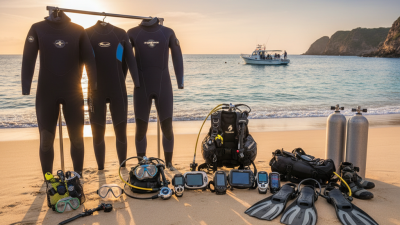
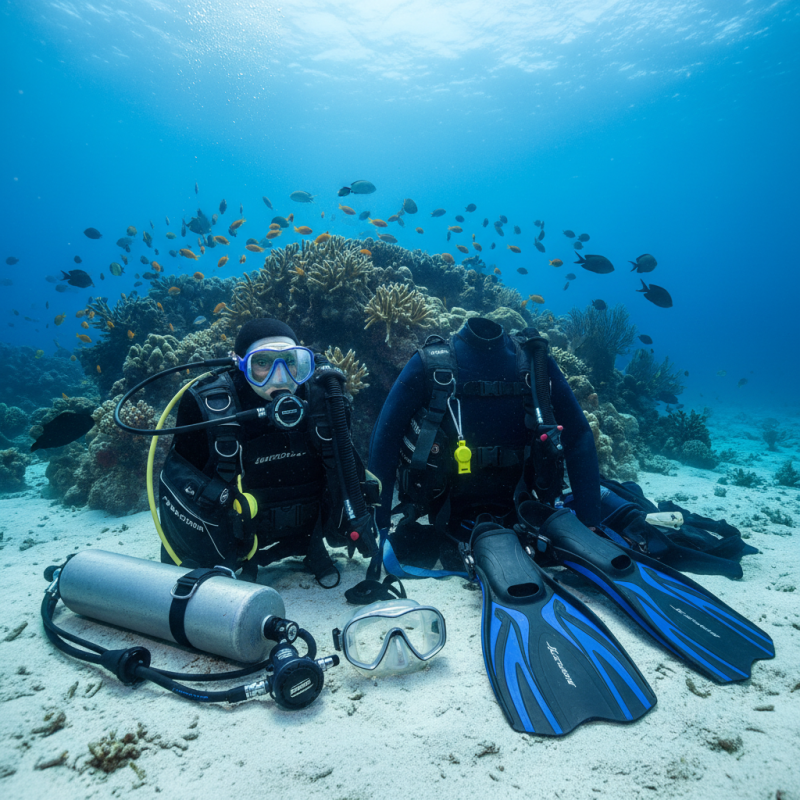
When it comes to underwater exploration, having the right scuba gear is crucial. A well-fitting wetsuit is essential. It keeps you warm and provides buoyancy. The mask should fit snugly to prevent leaks. This allows for clear visibility beneath the surface.
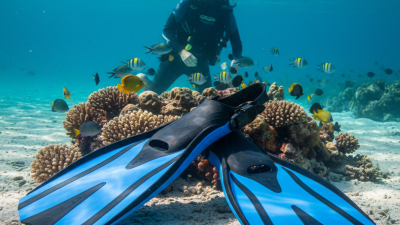
Fins help you swim efficiently, giving you the freedom to explore. Snorkels are also handy for surface breathing.
Tips: Always check your equipment before diving. Inspect your mask for cracks or scratches. Ensure your wetsuit is free of tears.
A buoyancy control device, or BCD, is vital for maintaining depth. It allows you to float effortlessly in water. Consider carrying a dive computer. This monitors depth and time spent underwater, ensuring safety. Lastly, a tank filled with compressed air is needed for breathing. Make sure it’s full before every dive.
Tips: Practice using your gear in a controlled environment. Familiarize yourself with the equipment before heading into open water. Reflect on your diving experiences to improve future adventures.
How Scuba Gear Enhances Your Comfort and Enjoyment While Diving
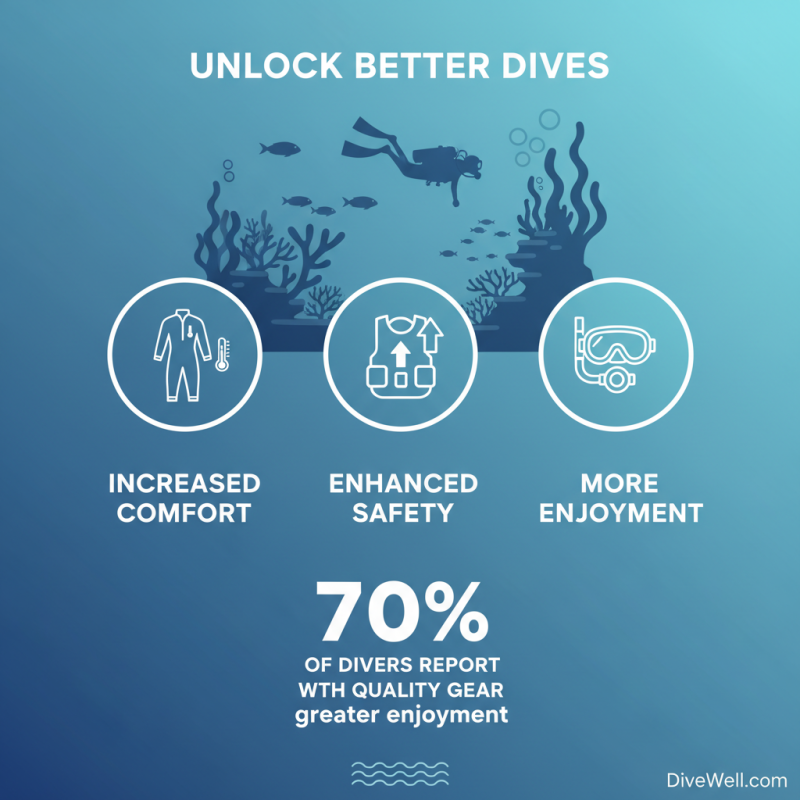
Scuba gear is crucial for a great diving experience. Quality equipment can greatly enhance comfort underwater. A recent industry report highlights that over 70% of divers who invest in high-quality gear report increased enjoyment. Proper wetsuits, buoyancy compensators, and regulators can make the dive safer and more enjoyable. These tools help you focus on the beauty around you instead of discomfort.
Tips: Always check your gear before diving. Ensure everything fits well. A poorly fitting wetsuit can lead to cold and discomfort, even in warmer waters.
Also, consider investing in a dive computer. It provides real-time data on depth and time, helping you manage your dive more effectively. Mismanagement can lead to decompression sickness. Staying informed keeps you safe. Remember, equipment is not just a luxury; it's essential for a memorable dive. Missing out on quality gear may hinder your adventure.
Key Features to Look for in Quality Scuba Equipment
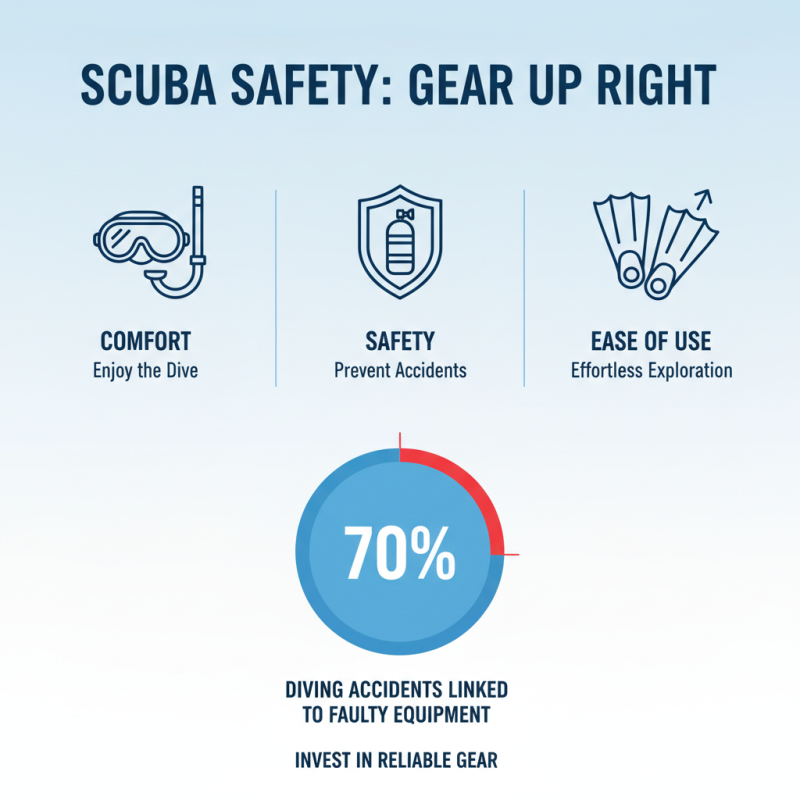
When planning underwater adventures, quality scuba gear is essential. Think about comfort, safety, and ease of use. Reports indicate that nearly 70% of snorkeling and diving accidents are linked to faulty equipment. This statistic underscores the importance of investing in reliable gear.
When selecting scuba equipment, one crucial feature is the regulator. A high-quality regulator will allow smooth air delivery, crucial for safety. A study found that divers using subpar regulators face higher anxiety levels underwater. Additionally, buoyancy control devices (BCDs) must fit well and be easy to adjust. Poorly fitting BCDs can lead to frustrating experiences, causing divers to struggle with stabilization.
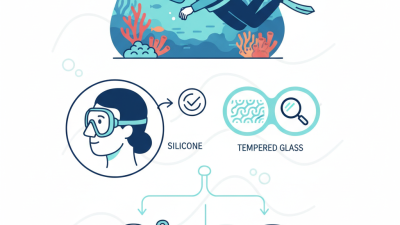
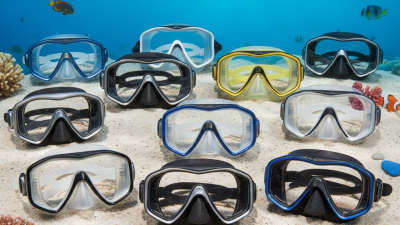
Visibility can be a game-changer underwater. Masks with a wide field of vision enhance safety and enjoyment. However, it's vital to ensure the mask fits snugly. A leak could ruin a dive. Visibility was cited as a major concern for 45% of divers in a recent survey. Investing in well-designed, reliable scuba gear might reduce accident rates. Remember, quality matters more than the price tag.
Maintaining and Caring for Your Scuba Gear for Longevity
When diving into the underwater world, maintaining your scuba gear is crucial. It ensures your safety and enhances your enjoyment. Scuba gear is an investment; taking care of it extends its lifespan and performance.
Be diligent about rinsing your gear after each dive. Saltwater can corrode materials. A simple freshwater rinse can prevent wear and tear. Dry your equipment properly. Humidity can promote mold growth. Store your gear in a cool, dry place. Avoid sunlight to prevent damage.
Tips: Inspect your gear regularly. Check for cracks or signs of wear. Replace parts as needed. Your health depends on reliable equipment. Also, consider a routine maintenance schedule. It helps identify issues early.
Don't overlook your regulator; clean it often. It’s your lifeline underwater. After periods of non-use, service it. This may seem inconvenient, but it's essential. Neglect can lead to failures when you need it most. Adjust your habits for better gear longevity.
Why Scuba Gear is Essential for Your Underwater Adventures? - Maintaining and Caring for Your Scuba Gear for Longevity
| Gear Type |
Importance |
Maintenance Tips |
Lifespan (Years) |
| Scuba Tank |
Essential for storing compressed air |
Inspect for dents, store upright |
15-20 |
| Regulator |
Vital for air supply under water |
Regular servicing, rinse after use |
10-15 |
| Buoyancy Control Device (BCD) |
Controls buoyancy for safety |
Check for leaks, clean regularly |
5-10 |
| Wetsuit/Drysuit |
Insulates and protects body |
Hang to dry, avoid sun exposure |
5-10 |
| Fins/Masks/Snorkels |
Enhances mobility and visibility |
Rinse after each dive, store safely |
3-5 |