Top Dive Store Tips for Beginners What to Look For and How to Choose
Choosing the right dive store as a beginner can be an overwhelming experience given the vast array of options available. Whether you're preparing for your first underwater adventure or looking to upgrade your existing gear, understanding what to look for in a dive store is crucial for a successful diving experience. A well-chosen dive store not only provides quality equipment but also offers expert knowledge to guide you through the selection process, ensuring that your dives are safe and enjoyable.
In this guide, we will explore essential tips for beginners on selecting a dive store that meets your needs. We'll discuss the factors that contribute to a positive shopping experience, from the store's reputation and customer service to the variety of equipment offered. Additionally, we'll highlight the importance of knowledgeable staff who can assist you in finding the right gear based on your diving style and preferences. By following these insights, you will be better equipped to make an informed decision and ultimately enhance your diving adventures.
Understanding Different Types of Dive Stores: Retail vs. Online
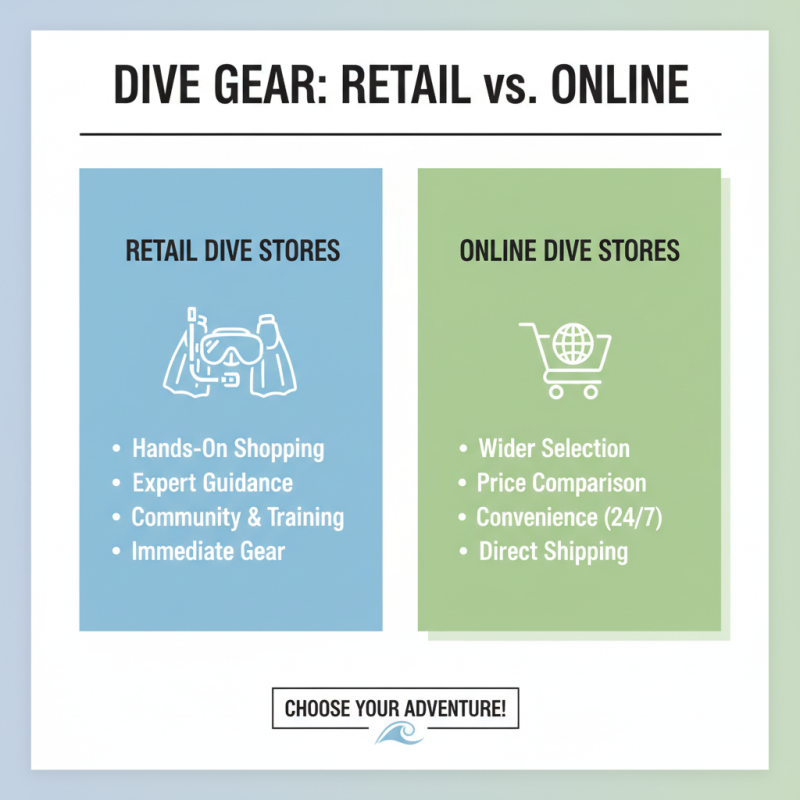
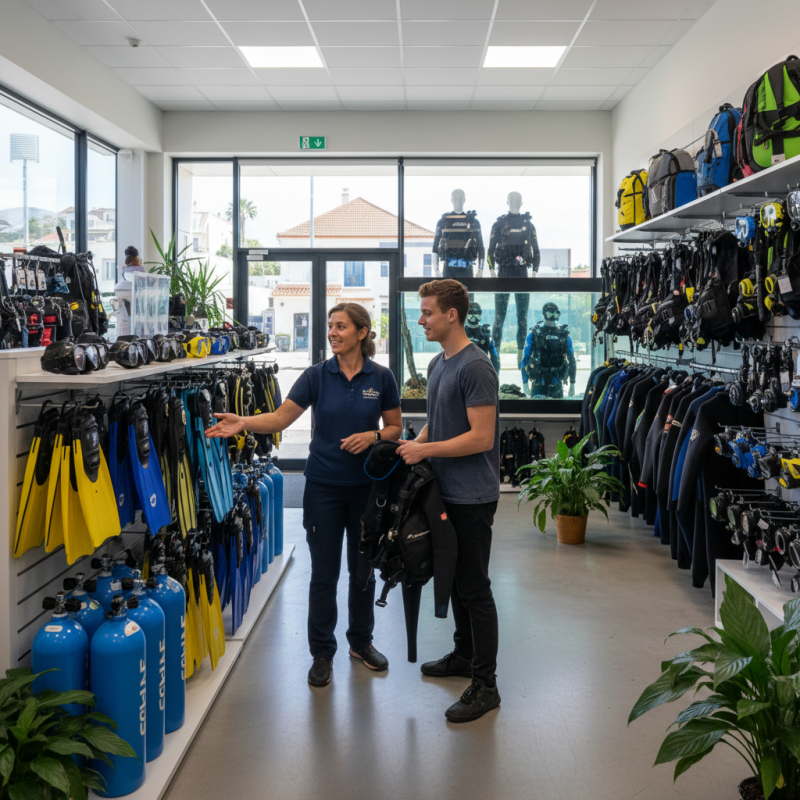
When considering where to purchase diving gear, it's essential to understand the differences between retail and online dive stores. Retail dive stores provide a hands-on shopping experience, allowing beginners to try on equipment, ask questions, and receive guidance from knowledgeable staff. This personalized service can be invaluable, especially for newcomers navigating the vast array of gear. Additionally, local dive shops often organize community events and training sessions, fostering a supportive environment for learning and connecting with fellow divers.
On the other hand, online dive stores offer convenience and often a broader selection of products. Shoppers can compare prices easily and access reviews from other customers to make informed decisions. However, the lack of direct interaction can be a drawback, particularly for those unfamiliar with the particular sizes or specifications of diving equipment. It's crucial for beginners to look for online retailers that provide detailed product descriptions and responsive customer service to address any concerns before purchasing. Ultimately, understanding the benefits and limitations of each type of dive store will help ensure a successful diving experience for newcomers.
Key Equipment to Look for When Shopping for Dive Gear
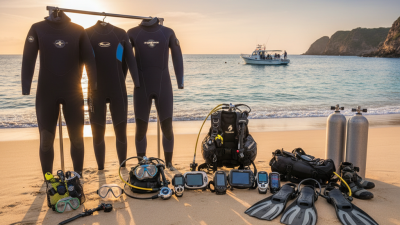
When shopping for dive gear, a beginner should prioritize key pieces of equipment that ensure a safe and enjoyable diving experience. First and foremost, a properly fitting wetsuit or drysuit is essential, as it provides thermal protection and helps maintain body temperature in the water. Look for materials that offer flexibility and comfort, allowing for ease of movement while diving. Additionally, pay attention to the thickness of the suit, as this will vary depending on the water temperature you plan to dive in.
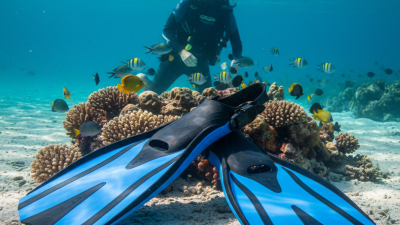
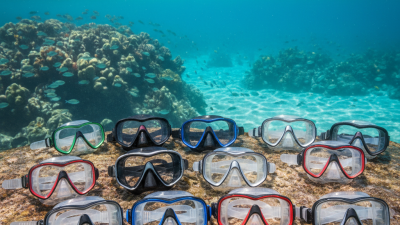
Another crucial piece of equipment is the mask and snorkel. A good mask creates a watertight seal and offers a clear view underwater, while a comfortable snorkel allows for easy breathing at the surface. When selecting a mask, choose one that fits snugly against your face and has tempered glass for durability. It's also wise to consider the fin type, as they play a vital role in propulsion while diving. Choose fins that are not only comfortable but also suited to your diving style, whether that’s leisurely swimming or more active exploration. These foundational pieces of gear will set you up for a memorable diving adventure, providing both safety and comfort in the underwater world.
Top Dive Store Tips for Beginners: What to Look For and How to Choose - Key Equipment to Look for When Shopping for Dive Gear
| Equipment Type |
Important Features |
Tips for Beginners |
Price Range |
| Mask |
Comfortable fit, large field of view, anti-fogging |
Try on multiple masks to find the best fit without leaks |
$20 - $100 |
| Fins |
Comfortable foot pocket, flexibility, size |
Choose fins that provide a snug fit but don’t cramp your feet |
$30 - $150 |
| Wetsuit |
Thickness suitable for water temperature, flexibility, sealed seams |
Ensure it fits snugly without being restrictive |
$50 - $300 |
| Regulator |
Ease of breathing, reliability, dual gauge system |
Consider your diving experience level before selection |
$200 - $1,000 |
| BCD (Buoyancy Control Device) |
Comfortable fit, lift capacity, pockets for gear |
Test the BCD in water if possible to assess comfort |
$150 - $600 |
Evaluating the Reputation and Customer Service of Dive Stores
When selecting a dive store, evaluating its reputation and customer service is crucial for beginners. A store's reputation can often be discerned through customer reviews and testimonials. Look for stores that prioritize safety and have a track record of satisfied customers. Engaging with the community can provide insights into the store’s reliability; participating in local diving forums or social media groups can help you gather experiences from fellow divers about the service quality.
Customer service is another vital aspect to consider. A store that values its customers will not only assist you in choosing the right gear but also provide thorough training and support. Pay attention to how staff interact with you during your visit. Do they take the time to answer your questions? Are they knowledgeable about the products and services they offer? A good tip is to visit the store before making a purchase decision; observe how staff treat other customers, as this can give you a clear idea of the service you might expect.
Additionally, consider the range of services provided by the dive store. Do they offer rental equipment, dive courses, or trips? A store that provides comprehensive services is often more invested in its customers' diving experience. Choosing a dive store with a strong reputation for customer service not only enhances your shopping experience but also ensures you're well-prepared for your diving adventures.
Tips for Comparing Prices and Finding Discounts on Dive Gear
When diving into the world of scuba gear, understanding how to navigate prices and discounts is essential for beginners. Begin by researching the standard prices for essential diving equipment such as wetsuits, masks, fins, and tanks. By familiarizing yourself with typical price ranges, you can more easily identify when a deal is truly a good one. Keep an eye out for seasonal sales or holiday promotions, as these can provide significant savings for new divers looking to invest in their first set of gear.
Another effective strategy is to compare prices across multiple dive shops and online retailers. Utilize price comparison websites to streamline this process and ensure you’re getting the best value. Additionally, consider signing up for newsletters or following social media channels of dive stores, as they often share exclusive discounts and promotions with their subscribers. Don’t overlook local dive shops, which may offer competitive pricing or bundle deals where you can save money by purchasing equipment together. By being proactive and informed, you can make educated choices that maximize your gear investment while still being budget-conscious.
Essential Questions to Ask Before Making a Purchase at a Dive Store
When venturing into the world of diving, choosing the right gear and dive store can significantly impact your experience. Before making a purchase, it's essential to ask specific questions that can help ensure you are equipped with the best gear for your needs. For instance, inquire about the store's return policy and warranty options. According to a report by the Diver Training Institute, 37% of divers have regretted their purchases due to inadequate support from the retailer post-purchase. A solid return policy can provide peace of mind, especially for beginners unsure of their long-term gear preferences.
Another critical aspect to explore is the expertise of the store staff. Engaging with knowledgeable staff can enhance your understanding of the equipment and its functionalities. A survey conducted by the Recreational Scuba Training Council found that 58% of divers felt more confident in their selections when assisted by well-trained personnel. Don't hesitate to ask about their experience in the industry, training records, or how they handle gear maintenance and safety practices.
Lastly, it is beneficial to inquire about the availability of rental equipment. A report from the Underwater Industry Association highlighted that 65% of new divers start with rentals before investing in personal gear. Understanding how the store manages rental maintenance and what options are available can be crucial for your initial forays into diving. By asking the right questions, you can ensure a more informed selection process, setting the stage for a safe and enjoyable diving journey.