Top 10 Diving Equipment You Need for an Amazing Underwater Adventure
When it comes to exploring the enchanting underwater world, having the right diving equipment is crucial for both safety and enjoyment. Whether you are a novice diver or a seasoned pro, the assortment of gear available can make or break your underwater adventure. From essential tools that enhance your visibility to safety gear designed to protect you in unpredictable environments, understanding what diving equipment you truly need is key to making the most of your experience beneath the waves.
In this guide, we’ll take you through the top 10 pieces of diving equipment that every diver should consider. These items not only enhance your diving experience but also ensure that you are well-prepared for the breathtaking underwater ecosystems you are about to encounter. Each piece of equipment serves a specific purpose, helping you navigate the underwater realm safely and effectively, while allowing you to fully immerse yourself in the wonders of marine life. So gear up, as we delve into the essentials that will transform your diving adventure into an unforgettable journey beneath the sea.

Essential Scuba Gear: Understanding Your Basic Diving Equipment Requirements
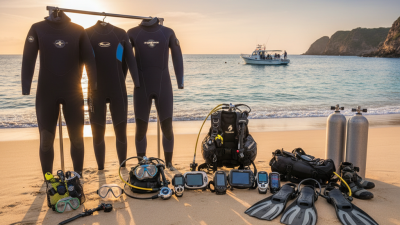
When preparing for an unforgettable underwater adventure, understanding the essential scuba gear is crucial. The basic diving equipment typically includes a mask, snorkel, fins, wetsuit or drysuit, buoyancy control device (BCD), regulator, and tank. Each piece serves a specific purpose to enhance safety and enjoyment while exploring the depths. The mask provides clear vision underwater, while the snorkel allows for easy breathing at the surface. Fins help improve mobility, making it easier to navigate through the water with minimal effort.
Tips: Before you dive, always ensure that your gear fits properly. Ill-fitting equipment can lead to discomfort and even potential hazards. Also, practice using your BCD in shallow water to get familiar with inflating and deflating it. This is vital for maintaining buoyancy and managing ascents and descents effectively.
When it comes to choosing a wetsuit or drysuit, consider the water temperature and your personal comfort. A wetsuit retains body heat while allowing some water to enter, which warms up as you dive. In contrast, a drysuit provides insulation by keeping the water completely out. Additionally, a reliable regulator and tank setup is essential for breathing safely underwater. Always check your equipment before a dive to ensure everything is functioning correctly, and don’t hesitate to seek assistance from a professional if you’re unsure about any aspect of your gear.
Top 10 Diving Equipment You Need for an Amazing Underwater Adventure
| Diving Equipment |
Description |
Importance Level |
Average Price ($) |
| Mask |
Provides clear vision underwater and prevents water from entering. |
High |
50 |
| Snorkel |
Allows for easy breathing while face-down in the water. |
Medium |
30 |
| Wetsuit |
Provides thermal protection in cold water. |
High |
150 |
| Fins |
Enhances movement and speed underwater. |
Medium |
80 |
| Buoyancy Control Device (BCD) |
Helps manage buoyancy and provides safety during dives. |
High |
400 |
| Regulator |
Delivers air from the tank at the correct pressure. |
High |
350 |
| Diving Computer |
Monitors depth, time, and no-decompression limits. |
High |
300 |
| Dive Knife |
Useful for safety and emergencies. |
Medium |
40 |
| First Aid Kit |
Essential for addressing injuries during diving trips. |
High |
25 |
| Underwater Camera |
Captures memories of underwater adventures. |
Low |
200 |
The Role of Wet Suits: Insulating Your Body in Varying Water Temperatures
Wet suits play a crucial role in enhancing the safety and comfort of divers during their underwater adventures. These specialized garments serve to insulate the body in varying water temperatures, allowing divers to extend their time beneath the surface. According to the National Oceanic and Atmospheric Administration (NOAA), water temperatures can fluctuate dramatically, even in a single dive. For example, in tropical regions, temperatures can range from 21°C (70°F) to 29°C (84°F), while in temperate zones, they might drop to as low as 10°C (50°F), creating a compelling case for proper insulation.
The construction of wet suits typically involves neoprene, a material that provides thermal protection by trapping a thin layer of water between the suit and the skin. This layer is warmed by the body, forming an insulating barrier. Research by the Divers Alert Network (DAN) indicates that divers can experience significant heat loss—up to 70%—in water compared to air. In colder conditions, a well-fitted wet suit not only helps prevent hypothermia but also allows for greater mobility, which is essential for exploring underwater environments effectively. Thus, selecting the right wet suit tailored to the specific diving conditions is fundamental for enjoying a safe and fulfilling underwater experience.
Importance of Diving Masks: Enhancing Underwater Visibility and Comfort
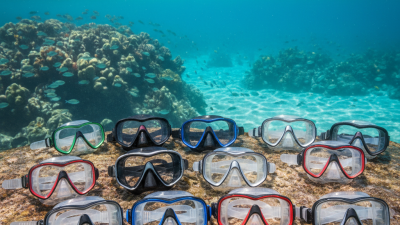
Diving masks are crucial for any underwater adventure, enhancing both visibility and comfort. A well-fitted mask provides a clear view of the vibrant marine life that awaits below the surface, allowing divers to fully immerse themselves in the experience. An added benefit of diving masks is their ability to create an air pocket in front of the eyes, which prevents water from entering and obscuring vision. This feature not only enhances comfort but also enables divers to focus on their surroundings without worrying about visibility issues.
When selecting a diving mask, consider the fit and material. A snug fit ensures that the mask does not leak, which can interrupt your dive and decrease comfort. Additionally, choose a mask with tempered glass lenses, which offer superior clarity and are more resistant to scratches.
Tips for ensuring a great diving experience with your mask include: always test for leaks by placing the mask on your face without the strap, and inhaling gently through your nose. If the mask holds, you’ve got a great fit! Furthermore, don't forget to clean the lenses before your dive to avoid fogging; a simple solution of baby shampoo can do wonders. Lastly, practice equalizing your mask by pinching your nose and blowing gently to relieve any pressure during your dive, enhancing both comfort and enjoyment.
Top 10 Diving Equipment You Need for an Amazing Underwater Adventure
This chart illustrates the relative importance of various diving equipment for an underwater adventure. Diving masks are essential for visibility and comfort, given their high importance rating of 9. Other equipment like fins and regulators also play crucial roles in ensuring a safe and enjoyable diving experience.
Fins and Their Impact: Improving Efficiency in Underwater Navigation
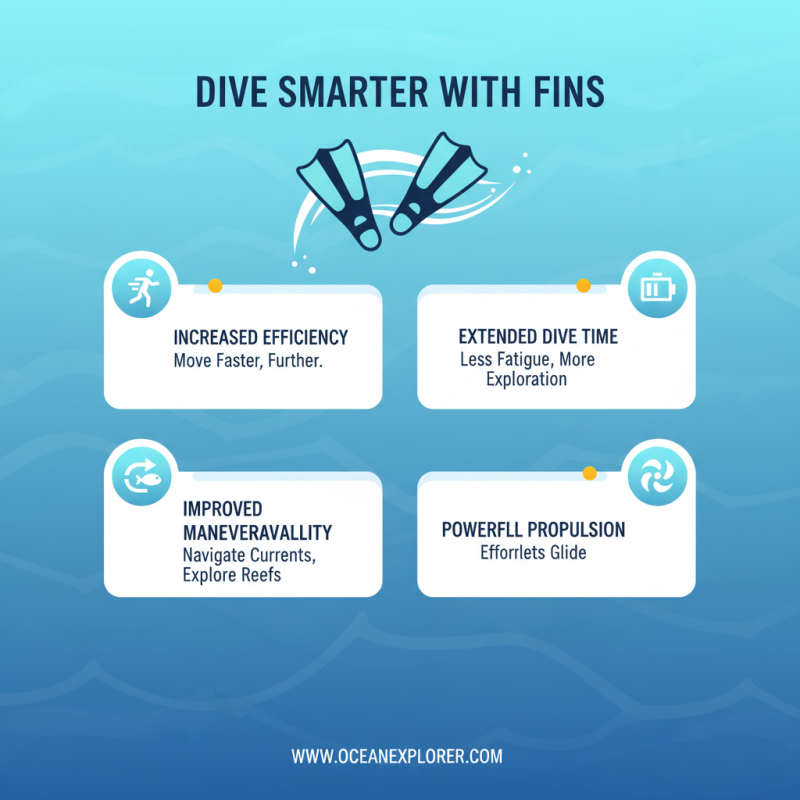
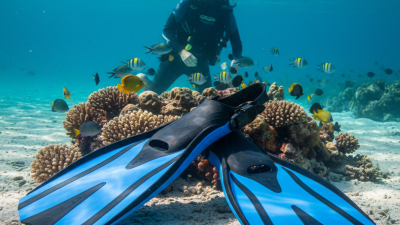
Fins are an essential piece of diving equipment that can significantly enhance your underwater experience. These specialized tools allow divers to move more efficiently through the water, reducing fatigue and increasing the duration of dives. The hydro-dynamic design of fins helps streamline movements, enabling divers to glide effortlessly while providing powerful propulsion. By improving maneuverability, fins allow for more fluid navigation through currents and around marine life, making it easier to explore intricate underwater landscapes.
The right pair of fins can also improve your overall diving technique. By providing a more effective means of kicking, divers can conserve energy and maintain a steady pace. This efficiency is crucial when diving for extended periods or when exploring deeper environments, where every stroke counts. Additionally, fins can aid in making precise adjustments in position and direction, which is particularly valuable when interacting with delicate ecosystems or when attempting to capture stunning underwater photography. Overall, the impact of fins on underwater navigation cannot be overstated, making them a vital component for any diving enthusiast.
Regulators and Tanks: Ensuring Safe Breathing Under Water During Dives
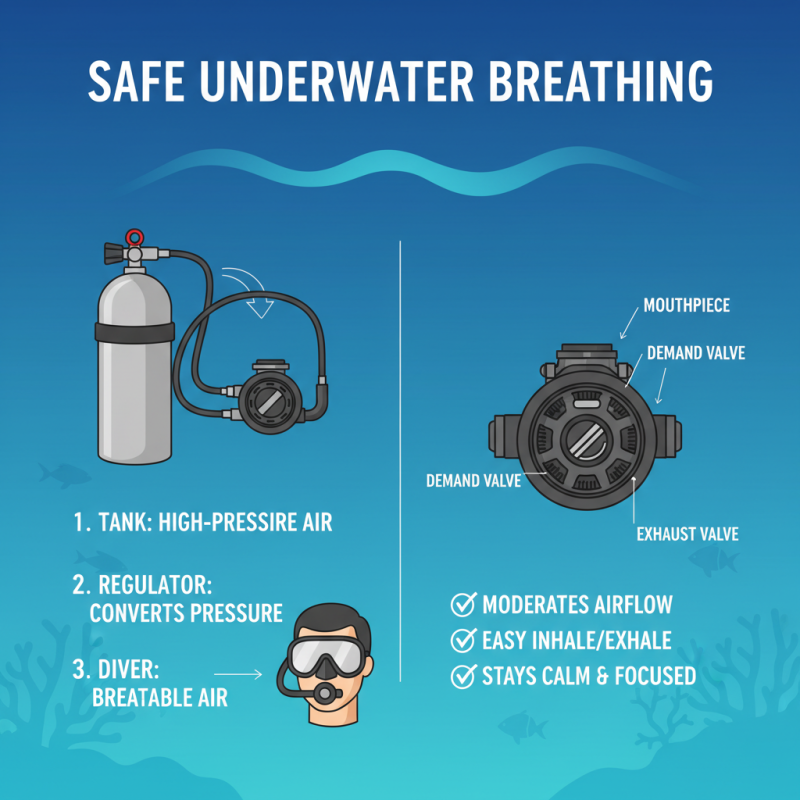
When embarking on an underwater adventure, one of the most crucial aspects to consider is ensuring safe breathing throughout your dives. Regulators and tanks are indispensable components of scuba diving gear, allowing divers to breathe comfortably and safely while immersed in the aquatic environment. The regulator functions as a vital moderator, converting high-pressure air from the tank into a breathable flow at ambient pressure, making it easier for divers to inhale and exhale underwater. This device not only provides air but also facilitates the control of airflow, ensuring that divers can remain calm and focused during their exploration.
Tanks, on the other hand, serve as the reservoir for compressed air. The type of tank selected can significantly affect a diver's experience, particularly in terms of buoyancy and gas consumption. It is essential to understand the tank's capacity and the expected dive duration to ensure adequate air supply for the adventure. Additionally, proper maintenance and frequent inspections of both the tank and regulator are critical for safety. This understanding of equipment functionality, along with thoughtful preparation, can elevate the underwater experience while minimizing potential risks associated with divers' oxygen needs.